




Puri: The Dilemma
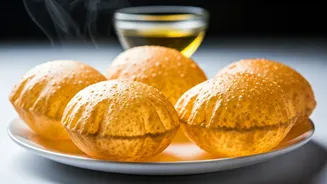
Puri is a staple in many Indian meals, often paired with dishes like sabzi, chole, or kheer. However, the excessive oiliness of puris frequently dampens
the culinary experience. The sight of greasy puris can diminish appetite before the first bite. This article addresses this common issue, offering solutions for achieving perfectly puffed and less oily puris. The focus is on implementing simple, yet effective techniques to transform your puri-making process. The goal is to help you enjoy this classic Indian bread without the guilt of excess oil.
Dough: Key to Success
The dough used significantly impacts the final outcome. It is crucial to use freshly kneaded dough specifically for puris. Avoid using leftover or stored dough, as this often leads to increased oil absorption. When preparing puri dough, the consistency should be slightly tight, not soft. This specific consistency is vital as it facilitates the perfect puffing and prevents the puris from becoming excessively oily. The correct dough preparation ensures the puris are light and crispy. This seemingly small detail makes a substantial difference in the overall texture and oil content of your puris.
Oil: Choose Wisely
The type of oil employed plays a key role in the final result. Opt for light oils, like refined or soybean oil, as they contribute to the crispiness of the puris while minimizing oiliness. Beyond the oil type, the oil temperature is equally critical. It is essential to maintain a balanced heat—neither too hot nor too cold. The correct temperature ensures that the puris cook evenly, resulting in a crispy texture and reduced oil absorption. The right oil and temperature are important factors for achieving the desired outcome: delicious, less oily puris.
The Salt Secret
A lesser-known trick involves adding a pinch of salt to the oil while frying the puris. This simple addition aids in reducing oil absorption, leading to less greasy puris. However, it's essential to exercise caution: adding too much salt can make the puris unpleasantly salty. This technique, though subtle, can make a notable difference in the final product. It is a simple yet effective way to enhance the puri-making process. Always make sure to season with the right quantity of salt, to give the best taste.