






Hormonal Harmony Unveiled
In your 30s and 40s, maintaining hormonal equilibrium becomes increasingly vital, yet often challenging. Strength training emerges as a powerful ally,
acting as a form of 'hormone therapy' as described by longevity expert Dr. Vass. It plays a significant role in balancing key hormones like estrogen, progesterone, testosterone, insulin, and cortisol. By engaging in regular strength training, women can naturally boost progesterone levels, which helps to mitigate the effects of excess estrogen. This hormonal recalibration can lead to a noticeable reduction in premenstrual syndrome (PMS) symptoms, fewer mood swings, and more consistent menstrual cycles. Furthermore, strength training improves insulin resistance; the increased muscle mass acts as a more efficient reservoir for glucose, leading to better blood sugar regulation. This improved insulin sensitivity has far-reaching benefits, positively impacting everything from brain function and energy levels to ovulation and appetite control, addressing common issues often linked with conditions like PCOS, thyroid dysfunction, and the onset of perimenopause.
Metabolic Boost & Stress Resilience
Beyond its direct impact on hormones, strength training significantly enhances your metabolic health and nervous system resilience. As muscle mass increases, your body becomes more adept at storing glucose, directly contributing to lower blood sugar spikes. This enhanced insulin sensitivity not only aids in weight management, particularly reducing stubborn belly fat that can accumulate during hormonal shifts, but also supports overall energy levels and cognitive function. Moreover, the act of challenging your body through strength training builds a robust nervous system. It teaches your body to adapt to stress more effectively, reducing chronic inflammation and preventing the burnout often associated with high-pressure lifestyles. This improved stress response translates to better hormonal regulation and a greater sense of calm. For women, strength training also elevates testosterone, crucial for maintaining libido, mental sharpness, and lean muscle mass, contributing to a stronger sense of confidence and well-being.
Bone Health & Lean Muscle
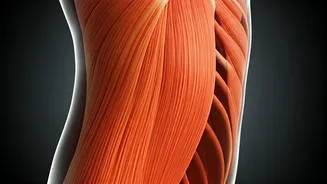
As women enter their 40s and beyond, the natural decline in estrogen and progesterone poses significant risks to bone density and muscle mass. Strength training is paramount in counteracting these age-related changes. The mechanical stress placed on bones during resistance exercises stimulates bone remodeling, effectively strengthening them and reducing the risk of osteoporosis. Simultaneously, strength training is the most effective way to build and preserve lean muscle mass. This is crucial not only for maintaining a healthy metabolism and body composition but also for preserving functional strength, mobility, and independence as you age. The combination of stronger bones and more muscle contributes to better balance, reduced risk of falls, and a more resilient physique, ensuring you can continue to lead an active and fulfilling life. Prioritizing lifting weights is, in essence, lifting for your long-term hormonal health and physical vitality.