





Debunking the Pink Menace
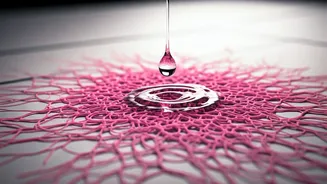
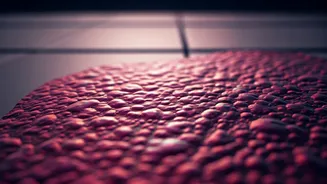
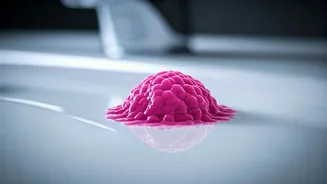
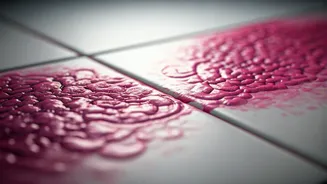
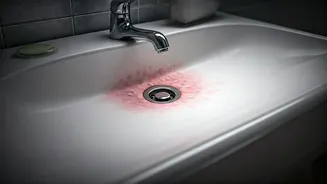
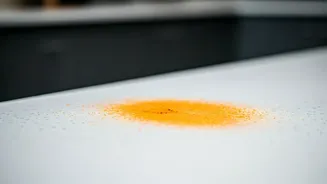
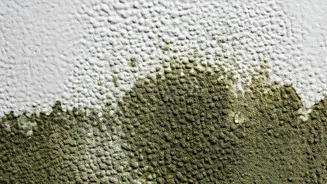
That infamous pinkish film appearing in your bathroom isn't the mould you might think it is. The reality is far more common and less about fungi. This
pervasive stain is actually a type of bacteria called Serratia marcescens. These microorganisms thrive in the humid, damp environments typical of bathrooms, particularly where soap residue and other organic matter accumulate. While generally not a significant threat to healthy individuals, prolonged exposure or contact could pose risks for those with compromised immune systems, potentially leading to infections. Understanding that you're dealing with bacteria, not mould, is the crucial first step in effectively tackling this persistent issue that seems to magically reappear after cleaning.
Why It Keeps Returning
The persistent nature of these pink bathroom stains often stems from a combination of the bacteria's resilience and common cleaning habits. Serratia marcescens forms a thin, protective layer known as a biofilm on surfaces. Even after a seemingly thorough wipe-down, microscopic traces of this biofilm and organic residue can remain, providing a perfect food source for the bacteria. When combined with the inevitable moisture present in bathrooms, these remnants allow the bacteria to regrow and become visible again. This cycle means that a quick clean isn't enough; persistent prevention strategies are key to truly eradicating the problem and preventing its frustrating return.
Simple & Effective Solutions
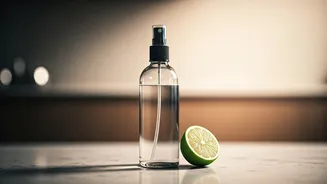
Fortunately, combating this bacterial nuisance doesn't require specialized or harsh chemicals. Common household ingredients can be remarkably effective. A mixture of white vinegar and water, when sprayed onto the affected areas and allowed to sit for a period before scrubbing, can break down the bacterial film. For tougher spots, a paste made from baking soda and a bit of dish soap offers a gentle yet powerful abrasive. After scrubbing, the critical second step is thorough drying. Wiping down surfaces after use and ensuring good ventilation by opening windows or using fans helps create an environment less hospitable to bacterial growth. Regular, diligent cleaning, focusing on areas prone to moisture, will significantly reduce the chances of the pink film returning.
Prevention is Key
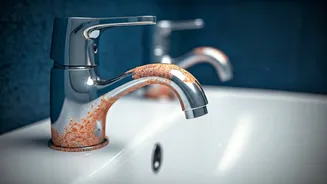
The most effective strategy against the recurring pink bathroom stains lies in consistent prevention rather than just reactive cleaning. This means establishing a routine that includes regular cleaning of all bathroom surfaces, paying special attention to areas where water tends to collect, such as around faucets, soap dishes, and shower curtains. The simple act of drying surfaces after use, like wiping down the sink after washing hands or drying shower walls, is immensely important. Maintaining good air circulation within the bathroom further discourages the damp conditions that bacteria love. By making these small but consistent efforts, you create an environment where Serratia marcescens struggles to gain a foothold, transforming bathroom cleaning from a battle against reappearing stains into a proactive habit.