



Meet LHS 1140 b: A Super-Earth With Potential
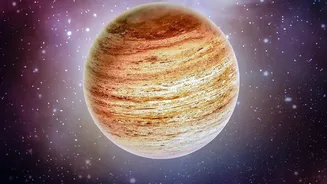
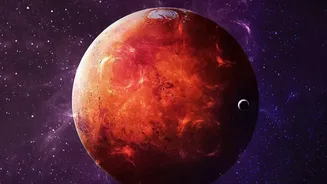
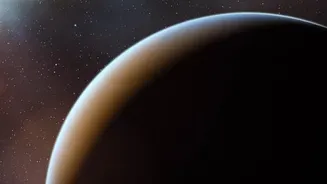
Located roughly 49 light-years away, LHS 1140 b is a fascinating celestial body. Discovered in 2017, it's classified as a 'super-Earth'—a rocky world significantly larger and more massive than our own planet. Specifically, it is about 1.7 times Earth's
radius and has 5.6 times its mass. It orbits a red dwarf star, which is smaller and cooler than our sun. Crucially, LHS 1140 b resides within its star's 'habitable zone'. This is the so-called 'Goldilocks' region where temperatures are not too hot and not too cold, potentially allowing for liquid water to exist on the planet's surface—a key ingredient for life as we know it.
A Breakthrough Detection of Gas
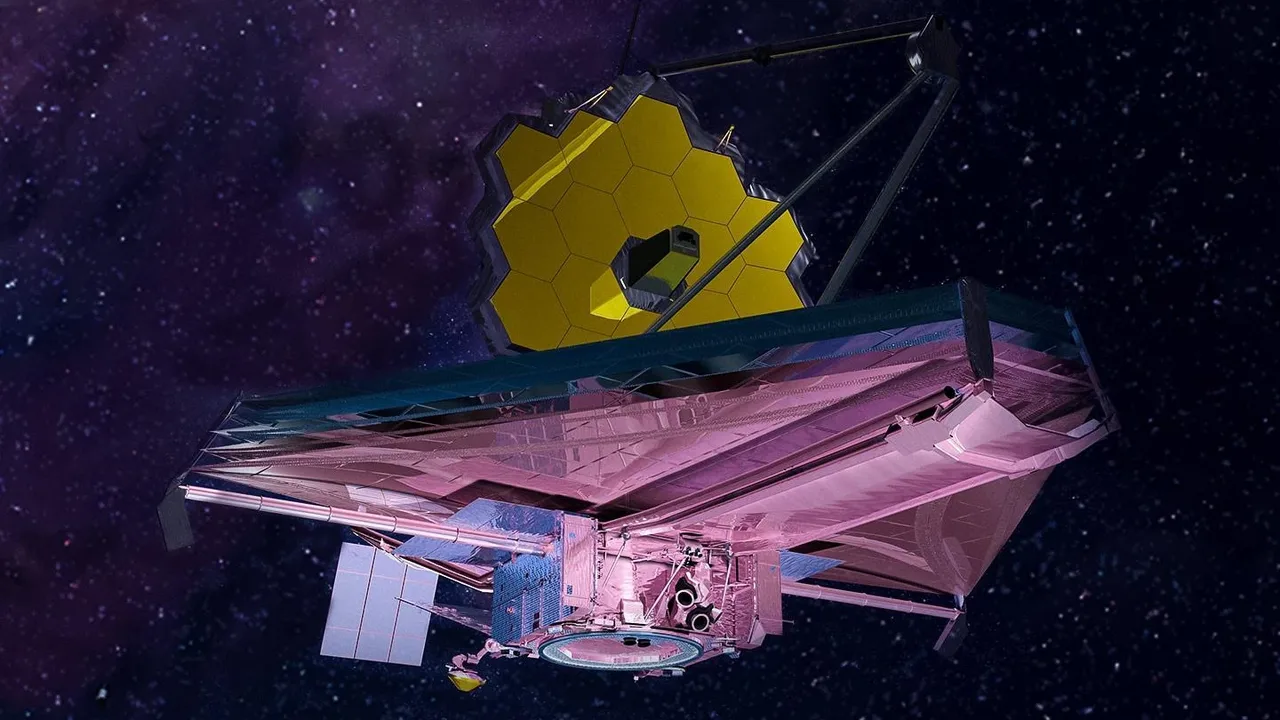
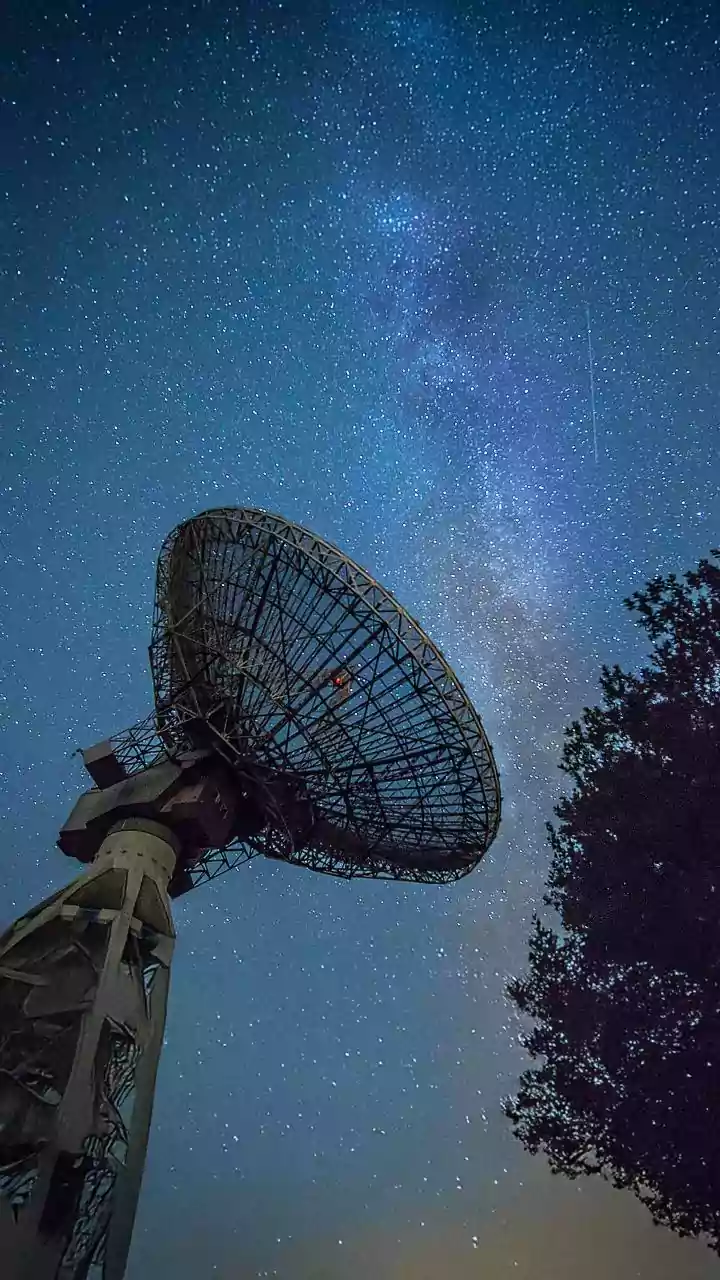
The major news is the first confirmed detection of an atmosphere on a rocky planet within a habitable zone. Astronomers achieved this by observing helium, a light gas, escaping from the planet's upper atmosphere into space. This phenomenon, also seen on planets like Earth, implies the existence of a larger, more substantial atmosphere below. The detection was made using the Magellan Clay telescope in Chile. While previous observations with telescopes like Hubble and the James Webb Space Telescope (JWST) had ruled out a hydrogen-dominated atmosphere, this new evidence of helium provides strong proof that the planet did not have its atmosphere completely stripped away.
Why Red Dwarf Stars Are Tricky Hosts
Finding an atmosphere around a planet orbiting a red dwarf like LHS 1140 is particularly significant. Red dwarfs are the most common type of star in our galaxy, but they are known for being active, especially in their youth. They can unleash powerful flares of high-energy radiation that can blast away the atmospheres of nearby planets over time. The fact that LHS 1140 b, which is billions of years old, has managed to retain its gaseous envelope suggests that some rocky worlds in these systems can indeed hold onto their atmospheres, broadening the search for potentially habitable planets. The planet's sibling, LHS 1140 c, appears to be an airless rock, highlighting the fine line between retaining an atmosphere and losing it.
Habitable, Not Inhabited: A Crucial Distinction
While the discovery is thrilling, scientists are quick to manage expectations. Confirming an atmosphere is not the same as finding life. As one researcher noted, all the essential ingredients for life could be there—it's rocky, at the right temperature, and has an atmosphere—but there is currently zero evidence for life itself. An atmosphere is a critical component for habitability, as it can regulate climate, shield the surface from harmful radiation, and maintain surface pressure for liquid water. However, this detection only confirms the presence of helium in the upper layers; the composition of the thicker, lower atmosphere remains a mystery.
The Next Steps in Cosmic Exploration
This discovery makes LHS 1140 b one of the most compelling targets for future study. The planet is part of a dedicated program for the James Webb and Hubble space telescopes, which will conduct further observations over the next few years. The next goal is to probe deeper into the atmosphere to search for heavier gases like nitrogen, carbon dioxide, and, most tantalizingly, water vapor. These future observations will help determine the true nature of LHS 1140 b's climate and whether its surface could indeed support liquid water. It's a methodical, step-by-step process that moves the search for another Earth from science fiction into the realm of observational science.