


India's Pantry: A Protein Powerhouse
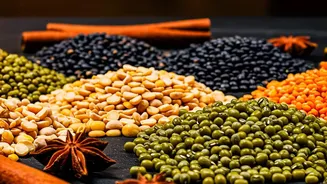
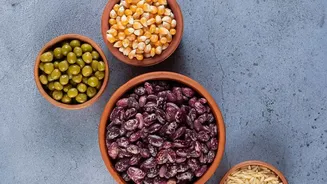
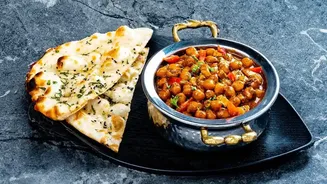
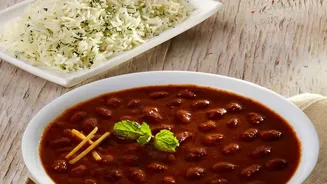
For generations, the Indian kitchen has been anchored by a stunning variety of pulses. From the humble toor dal to the robust rajma and chana, these legumes are not just ingredients; they are the foundation of our culinary identity. The good news is that
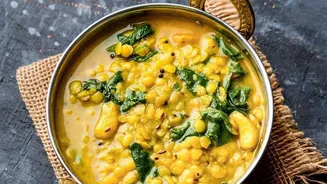
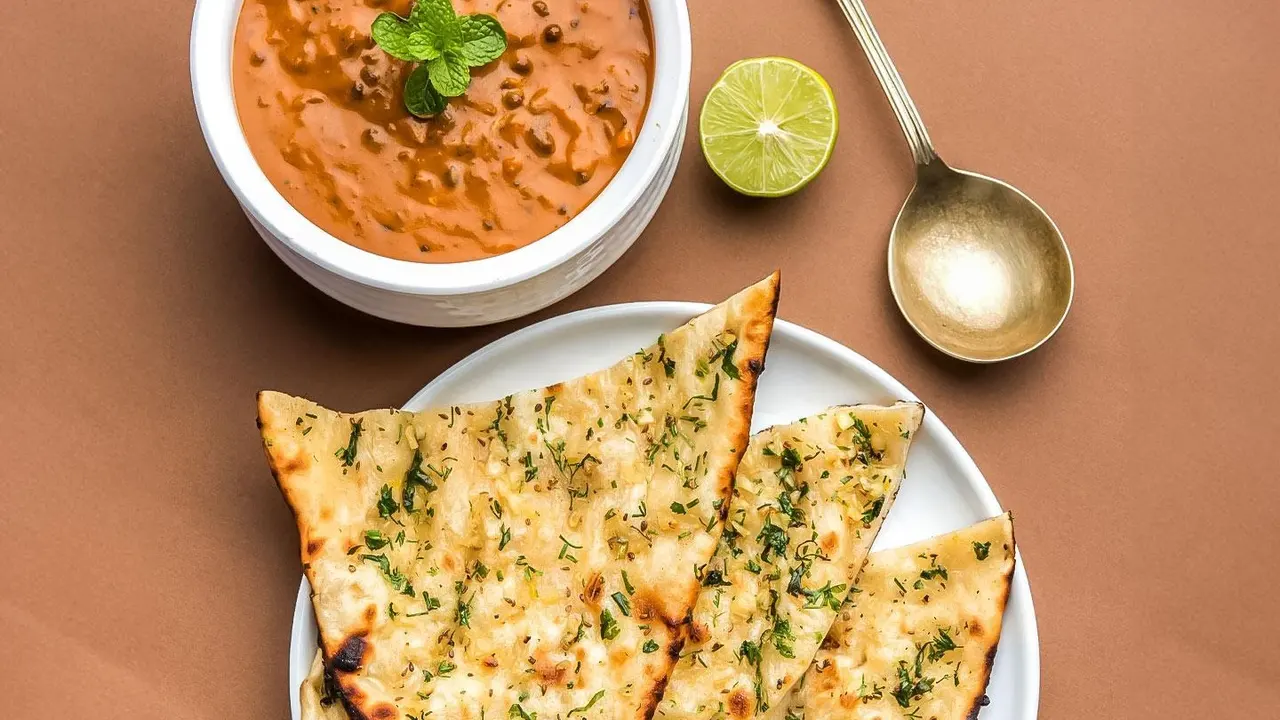
they are also packed with protein. In their raw form, most common dals like moong, masoor, and urad contain an impressive 22 to 25 grams of protein per 100 grams. Even after cooking, when they absorb water, a single katori (bowl) can provide anywhere from 8 to 13 grams of protein. This makes them one of the most efficient and affordable plant-based protein sources available.
The Smart Science of Dal-Chawal
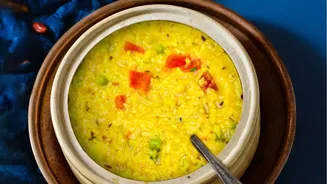
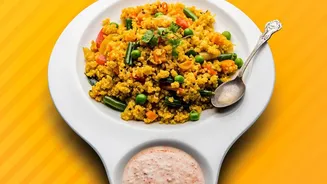
The genius of traditional Indian meals lies in pairings that our grandmothers perfected long before nutritional science became mainstream. Most pulses are rich in an amino acid called lysine but low in another called methionine. Grains like rice and wheat are the exact opposite. When you eat them together—think dal with rice, or rajma with roti—their amino acid profiles complement each other, creating a 'complete protein' that provides all the essential building blocks your body needs. This concept, known as protein complementation, is the secret behind why combinations like dal-chawal, khichdi, and sambar with idli are not just comfort food, but nutritionally complete meals.
Beyond the Everyday Dal Tadka
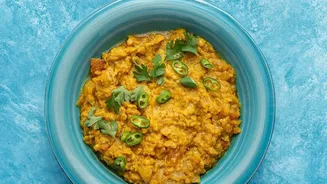
While a simple dal tadka is a delicious staple, pulses can play a much larger role across all your meals. Think beyond the main course. For breakfast, a moong dal chilla offers a protein-packed start to the day, far superior to carb-heavy options. For a hearty snack, roasted chickpeas or a chaat made with boiled kala chana can easily replace processed alternatives. Even leftovers can be repurposed; leftover dal can be kneaded into your roti dough to make flavourful, high-protein parathas. By incorporating pulses into different meals, you distribute your protein intake throughout the day, which is more effective for muscle health and satiety.
Simple Swaps for Big Protein Gains
Boosting your protein intake doesn't require learning new, complicated recipes. It’s about making small, intelligent tweaks to what you already cook. When making sambar, use a denser mix of toor and chana dal. When preparing a mixed vegetable curry, add a handful of chickpeas or kidney beans. Ground besan (chickpea flour) can be used to thicken gravies instead of cornflour, adding a secret protein boost. You can even add sprouted moong to your regular salads or upma for extra crunch and nutrition. These small additions accumulate, significantly increasing the overall protein content of your diet without altering the fundamental nature of your favourite dishes.
Rethinking Your Thali's Composition
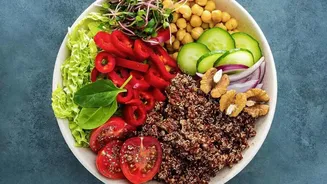
The final step is to look at your plate as a whole. Traditionally, a thali is a balanced meal, but modern habits can sometimes skew the proportions. Instead of letting rice or roti dominate the plate, consciously give more space to your dal, sabzi, and a side of dahi (curd). A balanced plate should ideally have a quality protein source, fibre-rich vegetables, and whole grains. This doesn't mean eliminating carbs, but rather ensuring they are balanced by a generous serving of protein. By simply adjusting the ratios on your plate, you can make your meals more nutritionally sound while still enjoying the familiar tastes of home-cooked food.