






Why Homemade Beats Store-Bought
A walk down the supermarket aisle reveals dozens of pasta sauces, each promising authentic, homemade taste. Yet, many fall short. Commercial sauces often rely on added sugars and preservatives to create a uniform, shelf-stable product. This can lead to a flat,
overly sweet flavour that masks the natural vibrancy of the tomatoes. When you make your sauce from scratch, you are in the driver's seat. You decide the quality of the ingredients, the level of sweetness, and the acidic brightness, creating a sauce that is perfectly tailored to your palate without any unwanted additives.
The Foundation of Flavour: Your Tomatoes
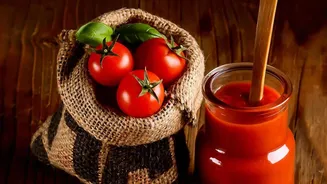
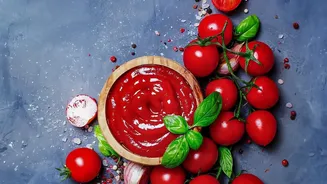
The single most important ingredient is, of course, the tomato. The variety you choose will heavily influence the final taste. Tomatoes naturally contain both sugars and acids, primarily citric and malic acid. San Marzano and Roma tomatoes are classic choices for sauces because they have a good balance of sweetness and acidity, with dense flesh and fewer seeds. The ripeness of the tomato is also crucial; underripe tomatoes are more acidic and can lead to a sour sauce. If you're starting with canned tomatoes, which can vary in acidity, look for high-quality brands that list just tomatoes and maybe salt.
Mastering the Art of Sweetness
Balancing the natural acidity of tomatoes often requires a touch of sweetness. While a pinch of sugar is a common fix, there are more nuanced ways to achieve this. One popular technique is to build a flavour base, or soffritto, with finely chopped carrots and onions. As these vegetables cook down slowly in olive oil, they release their natural sugars, lending a complex, foundational sweetness to the sauce that sugar alone cannot replicate. Roasting tomatoes before turning them into a sauce is another excellent method, as the high heat caramelizes their natural sugars, creating a richer, deeper flavour without any additions. If you do opt for sugar, start with a small amount—about a quarter teaspoon for a large pot—and taste as you go.
The Tangy Counterpoint: Acidity is Your Friend
While we often try to tame acidity, a certain amount of tang is essential for a bright, lively sauce. The key is balance. If your sauce tastes flat, it might need a boost of acidity. A small splash of red wine vinegar or balsamic vinegar can add a welcome sharpness and depth. Some cooks add a squeeze of lemon juice at the end of cooking to brighten the flavours. The natural acids in tomatoes become more concentrated as the sauce simmers and reduces, so be mindful of your cooking time. If you find your sauce is overwhelmingly acidic, a tiny pinch of baking soda (about 1/8 to 1/4 of a teaspoon) can help neutralize some of the acid chemically, allowing the tomato's natural sweetness to come forward without just masking the sourness with sugar.
Achieving Depth and Balance
Great sauce is more than just sweet and tangy; it's about a well-rounded flavour profile. A slow, gentle simmer is one of your best tools. Allowing the sauce to cook for an extended period helps the flavours meld and concentrate. To add creaminess and further mellow any sharp edges, a pat of butter or a splash of heavy cream can be stirred in at the end. These fats not only soften the acidity but also give the sauce a richer texture. For an extra layer of savory depth, or umami, consider adding a parmesan rind to the pot while it simmers, or even a small amount of Worcestershire sauce.