


Buy What You Need
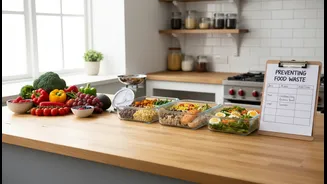
The first step to preventing waste happens before the food even enters your kitchen: at the grocery store. Overbuying is a primary cause of food spoilage at home. Instead of impromptu shopping trips, try planning your meals for the week. Check your pantry,
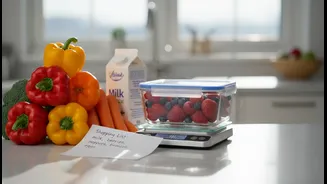
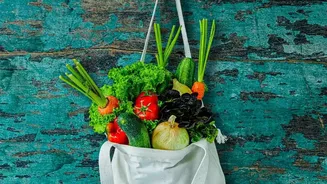
fridge, and freezer first to see what you already have, then create a detailed shopping list with the exact quantities needed. This prevents you from buying duplicate items. Opt for buying loose fruits and vegetables instead of pre-packaged ones, as this allows you to purchase the precise amount you need. Being cautious with bulk purchases is also wise; they are only a good deal if you can consume the food before it spoils. A well-thought-out list is your best defence against impulse buys that often end up in the bin.
Understand the Ticking Clock
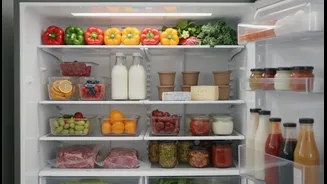
Once your groceries are home, timing becomes crucial. A simple rule to follow is “First In, First Out” (FIFO). Organise your refrigerator and pantry so that older items are at the front and new ones are at the back. This ensures you use up food before it has a chance to spoil. It's also important to understand food labels. In India, the FSSAI mandates labels like "Best Before" and "Expiry Date". "Best Before" refers to quality; the food is at its peak freshness, flavour, and nutritional value until this date but may still be safe to eat afterward. An "Expiry Date," however, is a safety deadline. Food should never be consumed after its expiry date, as it could be harmful to your health.
Store Your Food Correctly
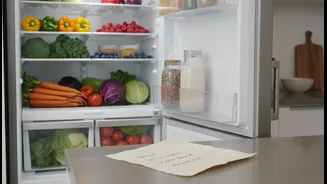
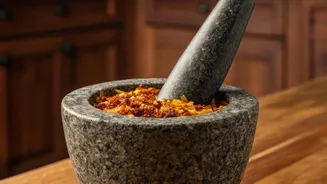
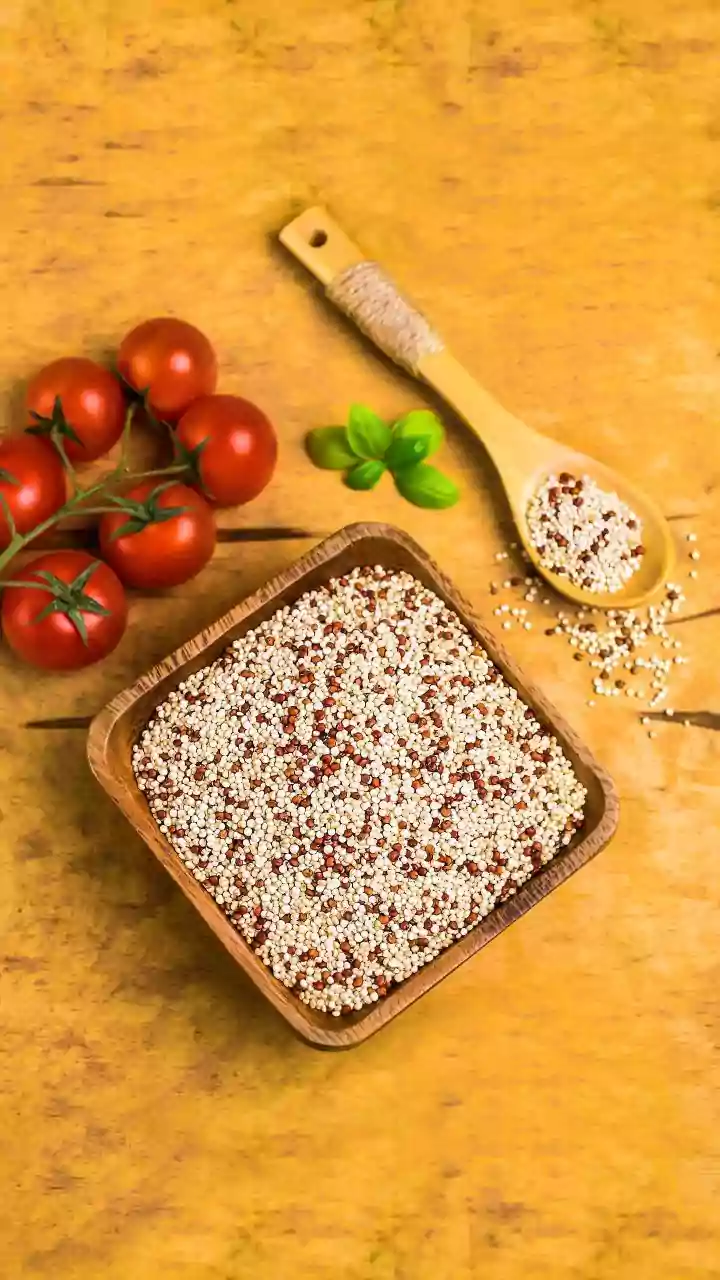
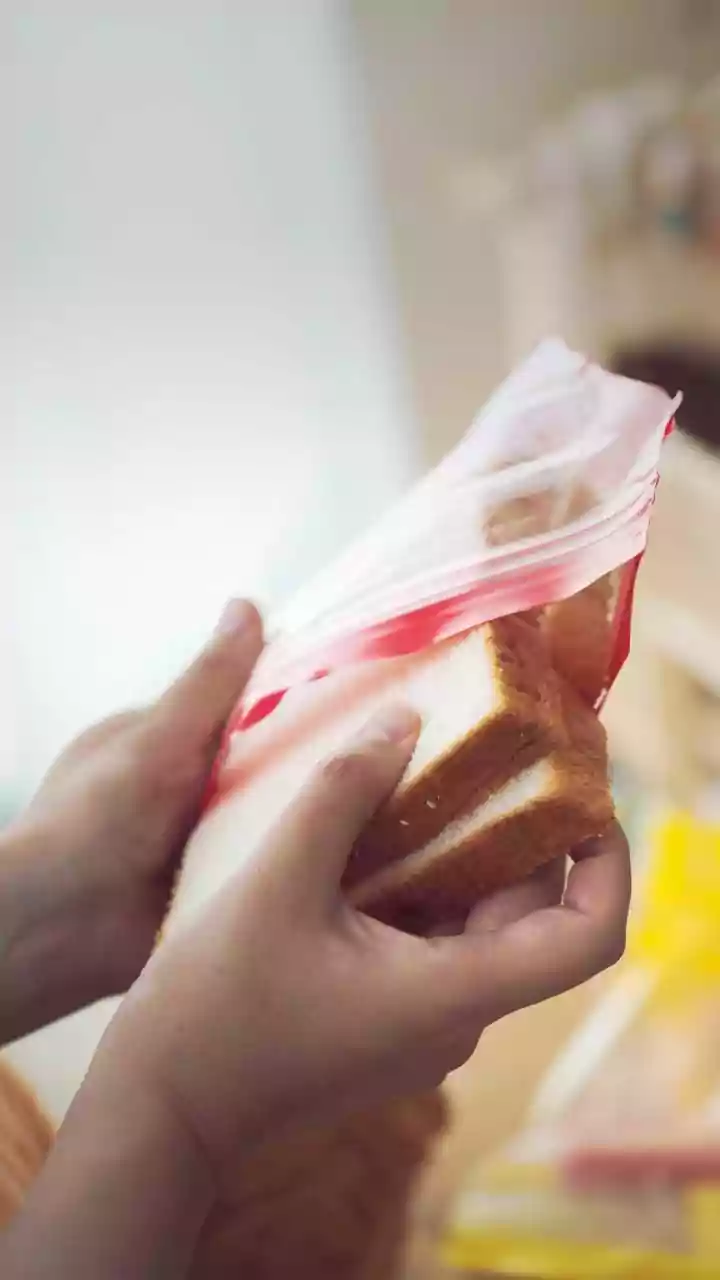
Proper storage can dramatically extend the life of your food, especially in India's varied and often humid climate. Transfer items like flour, grains, and spices from paper or plastic packaging into airtight containers to protect them from moisture and pests. Many fruits and vegetables have specific storage needs. For instance, potatoes, onions, and garlic should be kept in a cool, dark, and dry place, but not together. Leafy greens should be washed, dried thoroughly, and stored in a container in the fridge to prevent them from becoming slimy. Tomatoes are best kept on the counter, as refrigeration can make them mushy. Your refrigerator's crisper drawers are designed to control humidity; use the high-humidity setting for vegetables prone to wilting and the low-humidity one for fruits that rot easily.
Give Leftovers a New Life
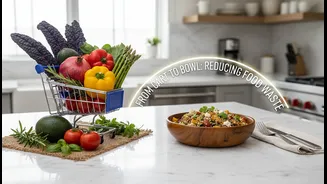
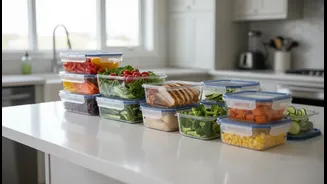
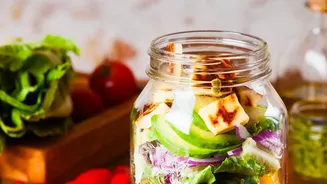
Despite our best efforts, leftovers happen. Instead of seeing them as a burden, view them as an opportunity for a new meal. Indian cuisine is particularly good for repurposing. Leftover dal can be used to knead a soft and nutritious dough for parathas or rotis. A dry sabzi can become a delicious filling for a sandwich or a wrap. Even small amounts of leftover rice can be transformed into flavourful fried rice or mixed with curd and spices to create a quick snack. Curries often taste even better the next day as the flavours meld together. Storing leftovers in clear, labelled containers helps ensure they don't get lost at the back of the fridge.