


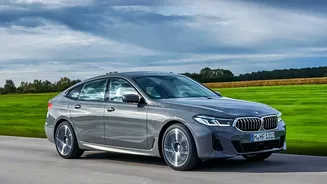
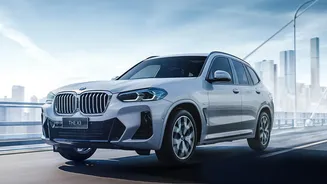
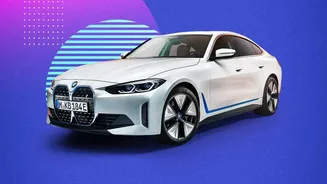
A Two-Pronged Strategy for Growth
In a decisive move to capture the top spot in India’s booming luxury car market, BMW Group India has unveiled an aggressive two-pronged strategy for 2026. The plan revolves around two core pillars: a dynamic product offensive featuring new models and
a significant expansion of its customer network with 19 new touchpoints. This initiative is designed to not only sustain its recent growth momentum but also to deepen its reach into emerging markets within the country. The strategy signals the company’s confidence in the Indian market, which has shown a growing appetite for premium and high-performance vehicles. By focusing on both what it sells and where it sells, BMW aims to create a more accessible and compelling brand experience for both existing and prospective customers.
An Aggressive Product Offensive
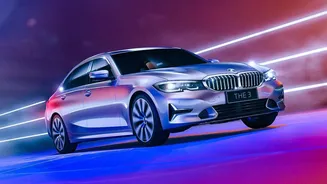
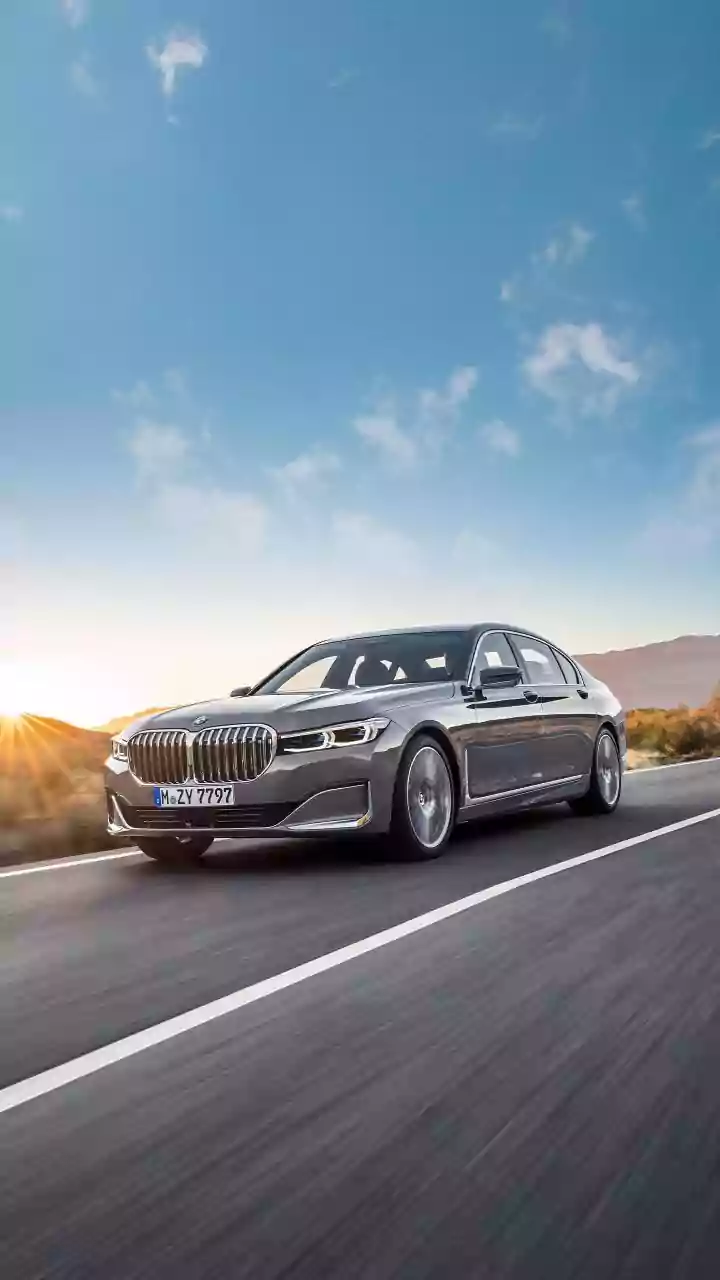
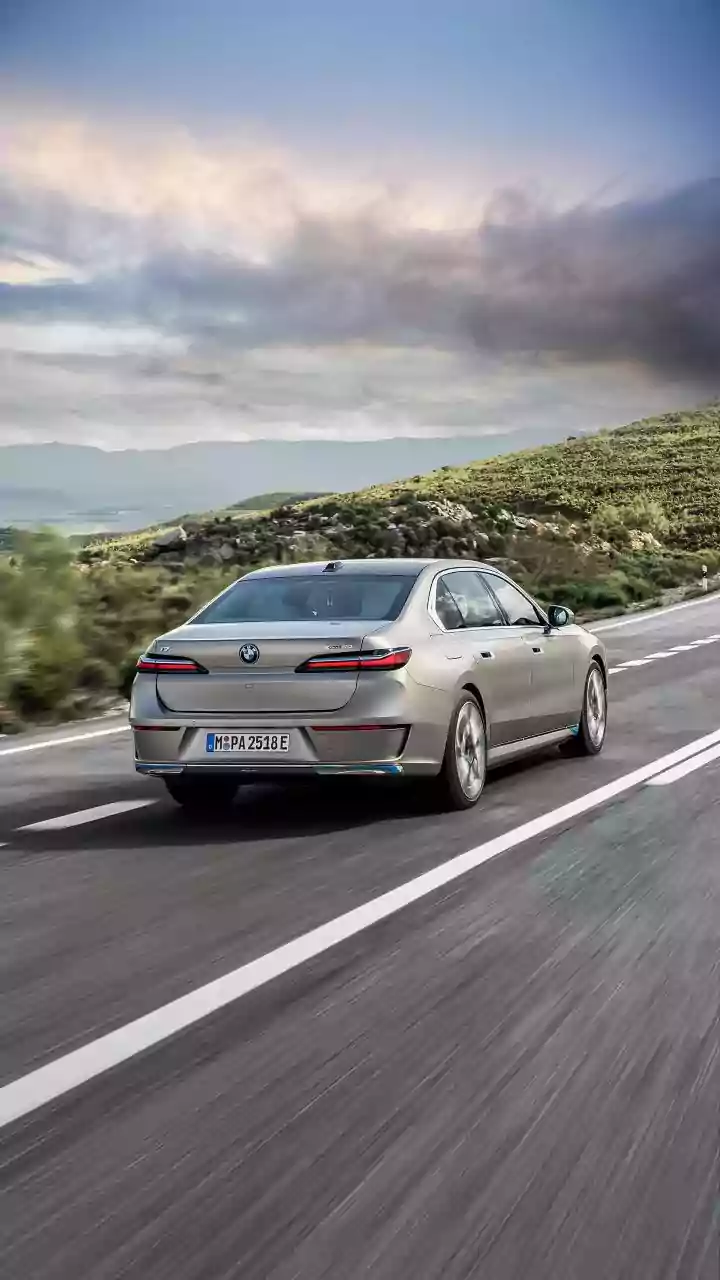
The first pillar of BMW's strategy is a robust product pipeline. The plan includes a mix of all-new vehicles, significant updates to existing models, and special editions tailored for the Indian market. This offensive is spread across the BMW, MINI, and BMW Motorrad brands. A major focus of this product blitz is the rapidly growing electric vehicle (EV) segment. Having gained an early advantage as a first mover in the premium EV space, BMW is looking to consolidate its leadership with new launches. The company has found that Indian consumers are increasingly drawn to electrified models, and it intends to meet this demand head-on. Beyond EVs, the launches will also include traditional internal combustion engine (ICE) vehicles and performance-focused models, ensuring a wide portfolio that caters to diverse consumer preferences, from spacious family-oriented long-wheelbase sedans to sporty coupes.
Defining the 19 New Touchpoints
The second pillar of the expansion involves bringing the brand closer to its customers. The addition of 19 new touchpoints is a crucial part of this effort. These are not just traditional, large-format showrooms. The term 'touchpoint' encompasses a wider range of formats, including smaller city showrooms, dedicated service facilities, and pop-up digital experience zones. This network expansion is geographically strategic, moving beyond the traditional metropolitan hubs to establish a presence in Tier-2 and Tier-3 cities where the next wave of luxury buyers is emerging. By increasing its physical footprint, BMW aims to improve accessibility, reduce service wait times, and offer a more personalized sales experience. This move acknowledges that in a market like India, a strong physical presence is a powerful signal of long-term commitment and helps build brand trust.
Navigating a Competitive Market
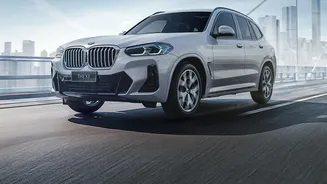
BMW's ambitious plan for 2026 is set against the backdrop of a fiercely competitive Indian luxury car market. For years, the segment has been dominated by a rivalry between the major German brands. Recent data from the first half of 2026 indicates a tight race for market leadership, with BMW overtaking its primary rival, Mercedes-Benz, in retail registrations. This aggressive expansion is a clear statement of intent to not just compete but to lead. The Indian luxury market itself is on an upward trajectory, with forecasts predicting strong double-digit growth. Factors like a growing economy, rising disposable incomes, and a younger demographic of affluent buyers are fuelling this demand. BMW's strategy of offering a diverse and modern product portfolio, particularly in the popular EV and SUV categories, combined with a wider retail network, positions it to capitalize on these favourable market dynamics.