






An Unquenchable Thirst for Power
To understand India's energy policy, one must first grasp the sheer scale of its demand. As the world's most populous nation with a rapidly growing economy, India's need for electricity is immense and expanding. Peak power demand is projected to reach
around 270 gigawatts in 2026, a figure that reflects increasing industrial activity, urbanisation, and rising living standards. This isn't just about big industries; it's about providing reliable power to hundreds of millions of households, enabling everything from lighting and cooling to digital connectivity. For the government, ensuring a stable and affordable power supply is not just an economic goal but a fundamental pillar of national development and social stability. This relentless demand growth forms the bedrock of India's energy security calculus.
Coal: The Unavoidable Backbone
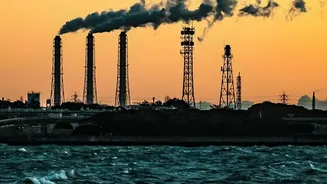
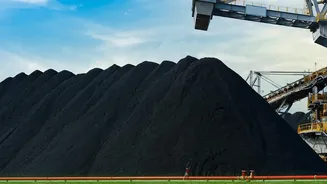
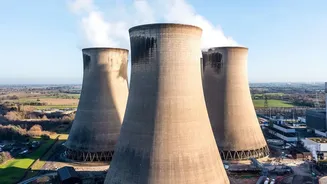
Despite a global shift away from fossil fuels, coal remains the cornerstone of India's energy system. It currently fuels over 70% of the country's electricity generation. The reasons are pragmatic. India has the world's third-largest proven coal reserves, making it a secure, domestic source of energy that insulates the country from volatile global energy markets. Unlike solar and wind, coal provides consistent, 'baseload' power, running 24/7 to keep the grid stable. To meet its energy security objectives and reduce reliance on expensive imports, India plans to increase coal production to 1.15 billion tonnes in the 2025-26 fiscal year. This strategy is seen as a necessary buffer against supply shocks and a way to power the nation's growth while other technologies mature.
The Climate Conundrum
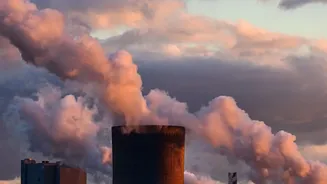
Here lies the tension. The push for coal directly challenges India's climate ambitions. The country has made significant international commitments, known as Nationally Determined Contributions (NDCs), under the Paris Agreement. These include reducing the emissions intensity of its GDP by 47% by 2035 (from 2005 levels) and achieving 60% of its installed electricity capacity from non-fossil fuel sources by the same year. While India has already surpassed its 2030 target for non-fossil capacity, the continued operation and expansion of coal-fired power plants generate massive carbon emissions, contributing to air pollution and global warming. This puts the country's immediate energy needs in direct conflict with its long-term goal of reaching net-zero emissions by 2070.
Is Renewable Energy Ready?
If coal is the problem, many ask, why not switch entirely to renewables? The answer is complex. India has made extraordinary strides in clean energy, particularly solar power. The country now ranks among the world's leaders in renewable capacity, which stood at over 279 GW by April 2026. In fact, non-fossil sources now account for more than half of India's total installed power capacity. However, capacity is not the same as generation. Wind and solar are intermittent—they don't produce power when the sun isn't shining or the wind isn't blowing. Integrating this variable power into the grid on a massive scale requires significant upgrades and, crucially, vast energy storage solutions like batteries or pumped hydro. While India is investing in these areas, the technology is still expensive and not yet deployed at the scale needed to completely replace coal's reliability.
A Path of Pragmatism or Peril?
New Delhi's strategy can be seen as a form of energy pragmatism. The approach is not to choose one over the other, but to walk two paths simultaneously: using coal to secure immediate energy needs while aggressively building out a renewable energy ecosystem for the future. The government is betting that this dual approach will allow it to power its economic growth today without entirely sacrificing its climate goals tomorrow. However, this path is fraught with risk. Locking in more coal infrastructure could create stranded assets in the future as renewable technology becomes cheaper and more efficient. It also means that while coal's share of the energy mix is shrinking, its absolute consumption and emissions may continue to rise in the short term, complicating the global fight against climate change.