

A Plunge in the Sky
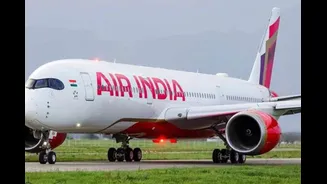
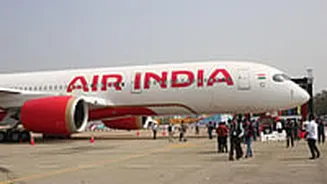
Passengers returning from a holiday in Phuket, Thailand, to New Delhi experienced several minutes of terror aboard Air India flight AI2379. The Airbus A320neo, cruising at altitude, suddenly encountered severe turbulence, causing the aircraft to drop
an estimated 300 feet. The event, which lasted for four to five terrifying minutes, threw unbuckled passengers and crew members around the cabin, leading to injuries and panic. Accounts from those on board describe people hitting the ceiling, luggage tumbling from overhead bins, and a scene of chaos before the pilots regained stability. The flight, carrying 137 passengers and eight crew members, landed safely at Delhi's Indira Gandhi International Airport, where medical teams were on standby. In total, 13 passengers and four crew members sustained injuries, ranging from minor bruises to more serious spinal and neck injuries among the crew.
Understanding Severe Turbulence
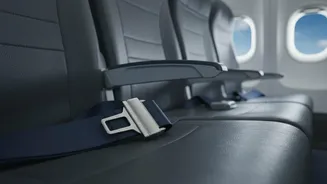
While most fliers are familiar with light bumps, this incident involved 'severe' turbulence, a much rarer and more violent phenomenon. Turbulence is essentially irregular air movement caused by weather systems, air masses meeting, or wind flowing over terrain like mountains. Severe turbulence is defined by large, abrupt changes in altitude and airspeed, where the aircraft can be momentarily out of control and occupants are forced violently against their seat belts. This particular event may have been caused by Clear Air Turbulence (CAT), which is invisible to the eye and weather radar, making it difficult for pilots to anticipate. Experts note that such events are becoming more frequent along major flight paths. While a 300-foot drop feels dramatic and dangerous to passengers, modern aircraft are engineered to withstand forces far greater than those encountered in even severe turbulence.
The View from the Cockpit
When encountering severe turbulence, a pilot's training is to manage the situation, not fight the overpowering forces of nature. The primary goal is to maintain control of the aircraft, not necessarily a specific altitude. Pilots will often prioritise keeping the wings level and managing the plane's speed, rather than making aggressive control inputs that could add stress to the airframe. The recommendation is often to keep the autopilot engaged, as it can make smoother adjustments than a human pilot might in a moment of surprise. If the autopilot disengages, pilots are trained to fly the aircraft with smooth inputs, accepting minor deviations in altitude to ensure the overall safety and structural integrity of the plane. They also communicate with air traffic control to warn other flights in the area and may request a different altitude to find smoother air.
Investigation and Official Response
India's aviation regulator, the Directorate General of Civil Aviation (DGCA), has launched a thorough investigation into the incident. Immediately upon landing, the aircraft was isolated in a separate hangar. Investigators have taken possession of the crucial flight data recorder (FDR) and cockpit voice recorder (CVR), often called the 'black boxes'. These devices will provide a detailed account of the aircraft's performance, the atmospheric conditions it encountered, and the actions taken by the flight crew. Union Civil Aviation Minister Ram Mohan Naidu Kinjarapu confirmed the probe and praised the cabin crew for their bravery, noting that they continued to assist passengers for the remaining hour of the flight despite their own injuries. Air India has stated it is fully cooperating with the investigation and supporting the affected passengers and crew.