




Khichuri: The Soul of the Bhog
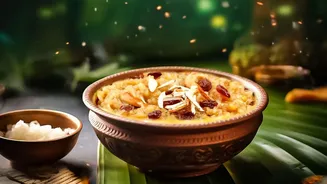
No Durga Puja is complete without Bhoger Khichuri, the sacred offering made to the Goddess and later distributed to devotees. This isn't just any rice and lentil dish; it's a soulful preparation that defines the community spirit of the festival. Made
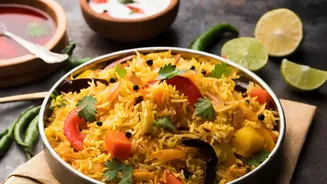
with fragrant Gobindobhog rice and roasted moong dal, this one-pot meal is cooked without onion or garlic, making it a pure or 'sattvik' offering. The consistency is soft and slightly mushy, with gentle spices and often includes seasonal vegetables like peas and cauliflower. Eating Khichuri from a sal leaf bowl at a pandal is a core memory for many, representing a moment where everyone, regardless of background, comes together to share a blessed meal. It’s often served with 'labra', a flavourful mixed vegetable curry, and 'beguni' (eggplant fritters).
Luchi: The Golden, Puffy Delight
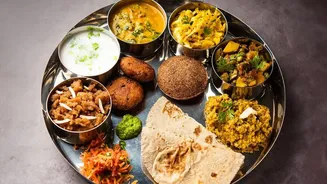
If Khichuri is the heart of the communal bhog, Luchi is the star of the festive breakfast and indulgent meals at home. These deep-fried, puffy breads are made from maida (all-purpose flour), which gives them their characteristic white colour and soft, delicate texture, distinguishing them from their whole-wheat cousin, the puri. Luchis puff up into beautiful golden orbs when fried, creating a light and airy bread that is the perfect vehicle for a variety of side dishes. During Durga Puja, the classic pairing is with Alur Dom, a slow-cooked spicy potato curry, or Cholar Dal, a slightly sweet lentil dish made with Bengal gram and coconut. They are a symbol of celebration and hospitality, a warm welcome on a plate.
Payesh: A Sweet, Creamy Tradition
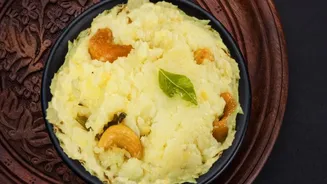
Every festival in Bengal calls for Payesh, and Durga Puja is no exception. This creamy rice pudding, known as kheer in other parts of India, is a symbol of auspiciousness, joy, and prosperity. It’s traditionally made by slow-cooking rice (often the aromatic Gobindobhog variety) in milk until it thickens into a luscious, creamy consistency. Sweetened with sugar or the prized date palm jaggery (Nolen Gur) and delicately flavoured with cardamom and bay leaves, Payesh is a comforting and rich dessert. Often garnished with nuts and raisins, it’s an essential part of the bhog platter and a celebratory dish served in homes to mark the happy occasion.
Sandesh: The Art of Bengali Sweets
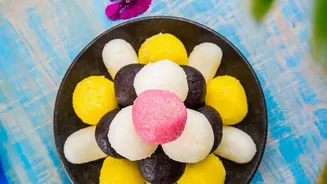
Sandesh is perhaps the most iconic of all Bengali sweets and a cornerstone of Durga Puja celebrations. Made from fresh, finely kneaded chenna (a type of fresh cheese), this delicate sweet melts in your mouth. Its beauty lies in its simplicity, but it also serves as a canvas for incredible creativity. During the Puja season, sweet shops display an amazing variety of Sandesh, from simple ones pressed into moulds to those flavoured with saffron (kesar), mango, or seasonal Nolen Gur (date palm jaggery). Exchanging boxes of Sandesh is a key tradition during Bijoya Dashami, the final day of the festival, when friends and family visit each other's homes to share greetings.
Rasmalai: An Indulgent Farewell
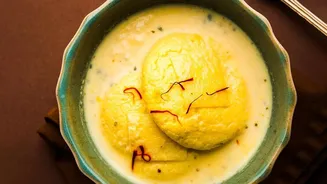
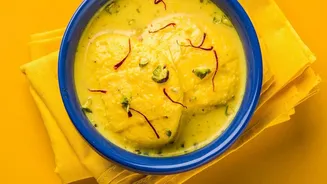
Rich, creamy, and utterly indulgent, Rasmalai is another sweet that frequently graces the festive table during Durga Puja. While popular across India, it holds a special place in Bengali cuisine. The sweet consists of soft, spongy discs of chenna that are cooked in a light sugar syrup and then soaked in thickened, sweetened milk known as rabri. This luxurious milk bath is often infused with saffron and cardamom and garnished with chopped pistachios and almonds. Served chilled, Rasmalai is a sophisticated and satisfying end to a grand festive meal, perfectly capping off the celebratory feasting of the Puja days.