


A Taste of Home in Orbit
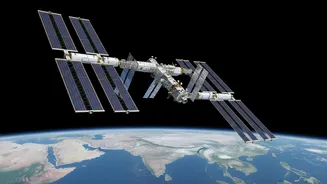
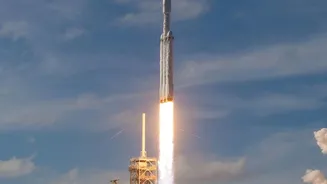
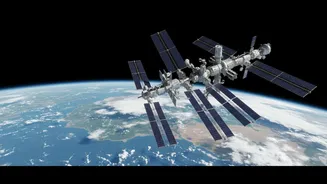
When Indian Air Force Group Captain Shubhanshu Shukla prepared for his historic flight to the International Space Station (ISS) as part of the Axiom-4 crew, there was immense excitement about the cultural milestones. Beyond the scientific objectives,
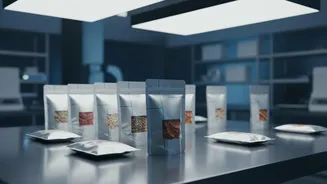
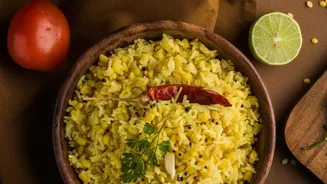
this included bringing a taste of India to space. The Defence Food Research Laboratory (DFRL), the same institution developing food for India's own Gaganyaan mission, curated an extensive menu of Indian favourites for qualification. The initial list was a mouth-watering collection of home-style dishes, including pulao, khichdi, and various vegetable preparations, all intended to provide comfort and a culinary connection to home for the astronaut.
The Science of a Space Meal
Getting food certified for space travel is a monumental scientific challenge that goes far beyond taste. Every item must meet a punishing set of criteria. First, there’s the issue of microgravity. Crumbs are a serious hazard, capable of floating into and damaging sensitive electronic equipment or being inhaled by the crew. This is why tortillas are favoured over bread. Food must also have a long shelf life—often a minimum of two years—without refrigeration. It needs to be lightweight, compact, and nutritionally dense to fuel astronauts while saving precious cargo space. Finally, most meals are either freeze-dried or thermostabilized (heat-sterilized in a pouch), designed to be easily rehydrated or heated in orbit.
Why Pulao and Khichdi Didn't Make It
While beloved on Earth, pulao and khichdi posed significant challenges for space qualification. According to astronaut Shubhanshu Shukla, while an extensive menu was proposed, only three Indian items ultimately cleared the rigorous testing process in time for the Ax-4 mission: Gajar ka Halwa, Moong Dal Halwa, and Aamras (mango nectar). The primary obstacle for the other dishes was the stringent qualification timeline and testing process. Foods like pulao, with its individual grains of rice, present a high risk of creating floating particles. Similarly, achieving the perfect, stable consistency for a dish like khichdi, ensuring it rehydrates properly without becoming too watery or clumpy, is a complex food science problem. Low fragmentation is a critical factor, and these dishes, in their traditional form, are inherently difficult to contain in zero gravity.
From Lab to Launchpad
The journey for any space food begins in a specialized lab, like the one at NASA's Johnson Space Center or India's DFRL. Food scientists work to modify recipes, often by adjusting moisture content, texture, and ingredients to ensure stability and safety. The food is then freeze-dried or packaged and subjected to taste tests by the astronauts themselves, as microgravity can alter one's sense of taste and smell, often making food seem bland. This feedback is crucial for developing a menu that is not only nutritious but also enjoyable, which is vital for crew morale on long-duration missions. The few items that pass every single test—from shelf-life to crumb control—are then painstakingly packed and prepared for launch.
The Future of Indian Food in Space
The exclusion of pulao and khichdi from the Axiom-4 menu is not a final verdict on Indian cuisine in space. It is a testament to the uncompromising safety and logistical standards of human spaceflight. The effort itself signifies a major step forward. Meanwhile, the work at DFRL continues with great focus for ISRO's own Gaganyaan mission. The lab has already developed an impressive menu that includes items like chicken biryani, aloo paratha, and yes, even khichdi, specifically engineered for the Indian mission's requirements. As scientists refine techniques for preparing complex dishes for microgravity, the day an astronaut can enjoy a bowl of dal-chawal in orbit is getting closer, a reminder that where humanity goes, its culture is sure to follow.