





An Unexpected Departure
On November 12, 2026, Nvidia confirmed that Jensen Huang, the leather-jacket-clad leader who steered the company for 33 years from a graphics card maker into an AI juggernaut, was stepping down effective immediately. The board appointed Chief Financial
Officer Colette Kress as interim CEO. The departure comes after reports concerning Huang's personal conduct and a subsequent board investigation. While the company’s official announcement did not state a reason for the resignation, the board later confirmed it would not reinstate Huang, signaling a definitive end to his celebrated tenure.
Assuring a Steady Ship
In the face of market uncertainty, Nvidia's leadership has moved quickly to project stability. The board issued a statement emphasizing that it expects 'operations, customer commitments and the product roadmap to continue without interruption'. At an all-hands meeting, interim CEO Colette Kress told employees that the company's ambition will not change and that its strategic direction remains intact. To further steady nerves, Kress also announced that employee pay increases and equity awards would be brought forward. The message is clear: Nvidia wants the world to know its operational engine is bigger than any single individual, even its legendary founder.
The AI Roadmap Remains Unchanged
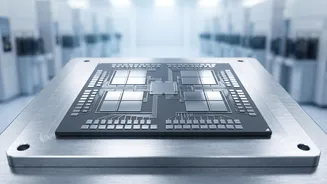
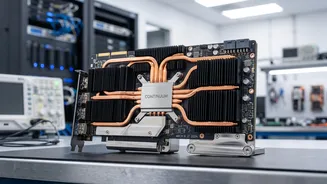
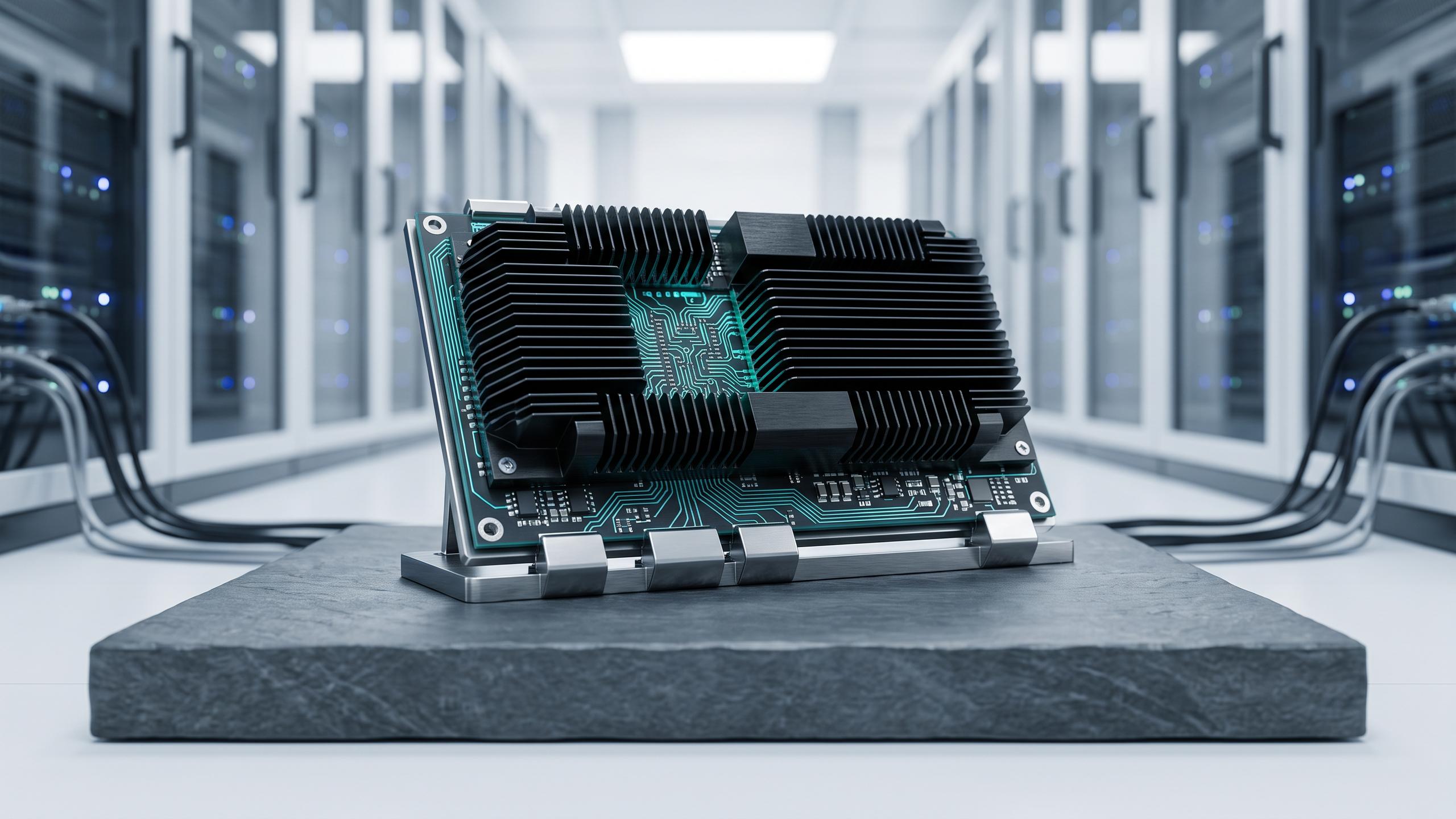
Central to Nvidia's message of continuity is its commitment to an aggressive AI product roadmap. Executives have reiterated that the chip development schedule is on track. This is critical, as the company’s market dominance is built on a relentless, one-to-two-year cycle of architectural leaps. The current Blackwell platform, which is driving massive revenue growth, is already in the process of being succeeded. The Vera Rubin platform, which entered full production in May 2026 and recently became commercially available on Oracle Cloud Infrastructure, promises significant performance gains over Blackwell. Beyond that, plans for 'Rubin Ultra' in 2027 and a next-generation architecture codenamed 'Feynman' for 2028 have also been outlined, showcasing a multi-year plan that was set in motion long before the leadership change.
The Challenge of a Post-Jensen Era
Despite the reassurances, the transition highlights a significant governance issue: Nvidia had no formal succession plan. Huang's leadership was all-encompassing, with some reports noting as many as 60 executives reported directly to him. Analysts point out that his role went beyond that of a typical CEO; he was the 'chief conductor' of a complex ecosystem of suppliers, cloud partners, and major customers. Board Chair Harvey Jones acknowledged the difficulty in replacing him, stating it is 'unrealistic to expect to find a Jensen clone' and calling him one of a kind. The board has hired an executive search firm to find a permanent successor, considering both internal and external candidates, but the search for a new leader to fill such a unique role will be a formidable challenge.
What This Means for the AI Industry
For customers and the wider AI industry, the immediate impact is minimal. Chip manufacturing relies on long-term contracts with foundries and supply chains that are locked in years in advance. The $279 billion in purchase commitments Nvidia has made, primarily for memory, underscores that the hardware pipeline is not dependent on the CEO's presence. However, the transition introduces long-term questions. Huang was personally involved in allocating the highly sought-after chips to key customers. A new leader may bring a different approach to strategy, pricing, and partnerships. While Nvidia's product roadmap seems secure for now, the industry will be closely watching how the new leadership navigates the complex relationships and strategic vision that made the company the undisputed king of AI.