





An Ambitious Five-Year Journey
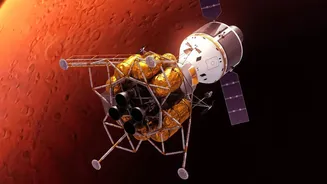
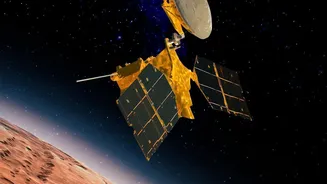
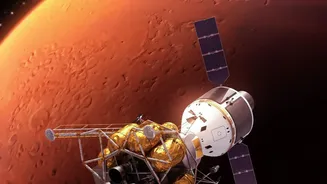
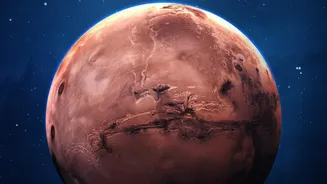
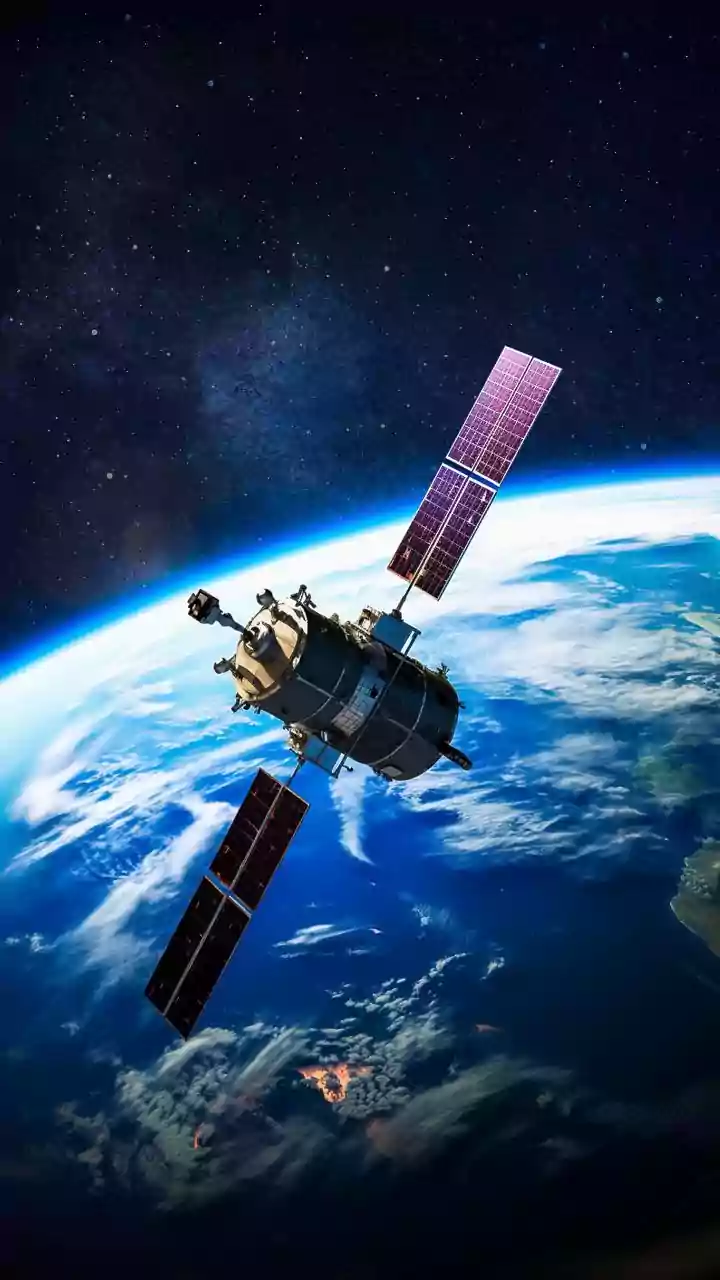
The Japan Aerospace Exploration Agency (JAXA) successfully launched its MMX spacecraft in October 2026, marking the start of a complex, multi-year voyage. The probe is expected to arrive in the vicinity of Mars in August 2027, where it will begin the delicate
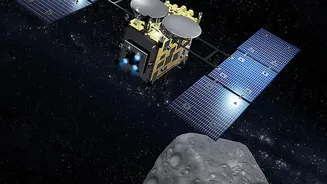
process of entering a stable orbit around the Red Planet and then its moon, Phobos. The mission's primary goal is nothing short of revolutionary: to land on the surface of Phobos, collect at least 10 grams of its soil and rock, and return this precious cargo to Earth by 2031. This will be the first time material has been returned from the Martian system, building on JAXA's previous successes with asteroid sample-return missions Hayabusa and Hayabusa2.
Solving the Mystery of Phobos
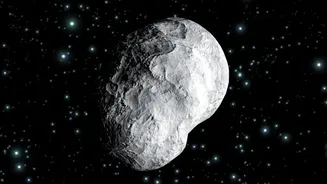
The central scientific question driving the MMX mission is the mysterious origin of Mars's two small, potato-shaped moons, Phobos and Deimos. For decades, scientists have debated two main theories. The 'capture hypothesis' suggests they are asteroids that wandered too close to Mars and were trapped by its gravity. Their dark surfaces and low densities are similar to carbonaceous asteroids found in the outer solar system. The competing 'giant impact hypothesis' posits that they formed from debris ejected into orbit after a massive object collided with Mars long ago. By analyzing physical samples in labs on Earth, scientists will be able to determine the moon's composition and age, finally providing a definitive answer. This knowledge will not only tell us about Mars's violent past but also about how planetary systems form and evolve.
A High-Stakes 'Grab and Go'
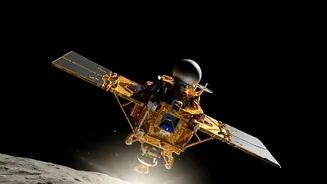
Collecting a sample from Phobos is a formidable technical challenge. The moon's gravity is incredibly weak, about 1/1700th of Earth's, making a traditional landing impossible. Instead, the MMX spacecraft will perform a careful descent to the surface for a brief touchdown operation lasting only a few hours. To gather the material, the probe is equipped with two systems. A coring mechanism will drill a few centimetres to collect subsurface material, while a pneumatic sampler will fire bursts of nitrogen gas to blow surface dust and pebbles into a collection tube. The spacecraft may land twice at different locations to gather a diverse sample. Before the main spacecraft attempts its descent, a small rover named Idefix, provided by the French and German space agencies, will be deployed. It will drop to the surface, right itself, and spend about three months studying the terrain to help select the best sampling sites.
Clues to Habitability and the Solar System's Past
The samples from Phobos promise to unlock more than just the moon's origin story. If Phobos is a captured asteroid, its material could hold pristine records of the early outer solar system, including water and organic compounds—the building blocks of life. This could shed light on how these crucial ingredients were transported to rocky inner planets like Earth and Mars. Furthermore, since Phobos orbits so close to Mars, its surface is likely covered in dust blasted off the Red Planet by ancient asteroid impacts. This means the returned sample could also contain bits of Mars itself, providing a 'two for one' scientific bounty without having to land on the planet. After completing its work at Phobos, the MMX spacecraft will also conduct several flybys of Mars's other moon, Deimos, to compare the two.