






More Than Just Metallic Paint
The magic of gold leaf lies in its unique texture and its interaction with light. Unlike metallic paint, which provides a uniform shimmer, gold leaf is hammered into incredibly thin sheets. This process gives it a delicate, almost fragile quality. When
applied to a surface, it retains a subtle texture that catches and reflects light with a soft, warm glow that paint cannot replicate. This luminous quality adds depth and a sense of history to a room, creating visual interest without overwhelming the senses. It’s a handcrafted touch in a world of machine-made finishes, bringing an artisanal feel that elevates a space from simple to special.
The Art of Restraint
The key to using gold leaf in a calm, contemporary setting is restraint. Today's designers are using it sparingly to create emotion and highlight specific features rather than covering entire walls. Think of it as jewellery for your room—a little goes a long way. Overuse can quickly turn a sophisticated space gaudy. Instead of grand gestures, the modern approach is subtle: the inside of a lampshade, the bevelled edge of a mirror, or a thin border around a doorway. These small, unexpected touches of warmth draw the eye and add a layer of quiet luxury that complements a minimalist aesthetic. The goal is to create a focal point that feels integrated and refined.
A Perfect Palette for a Soft Glow
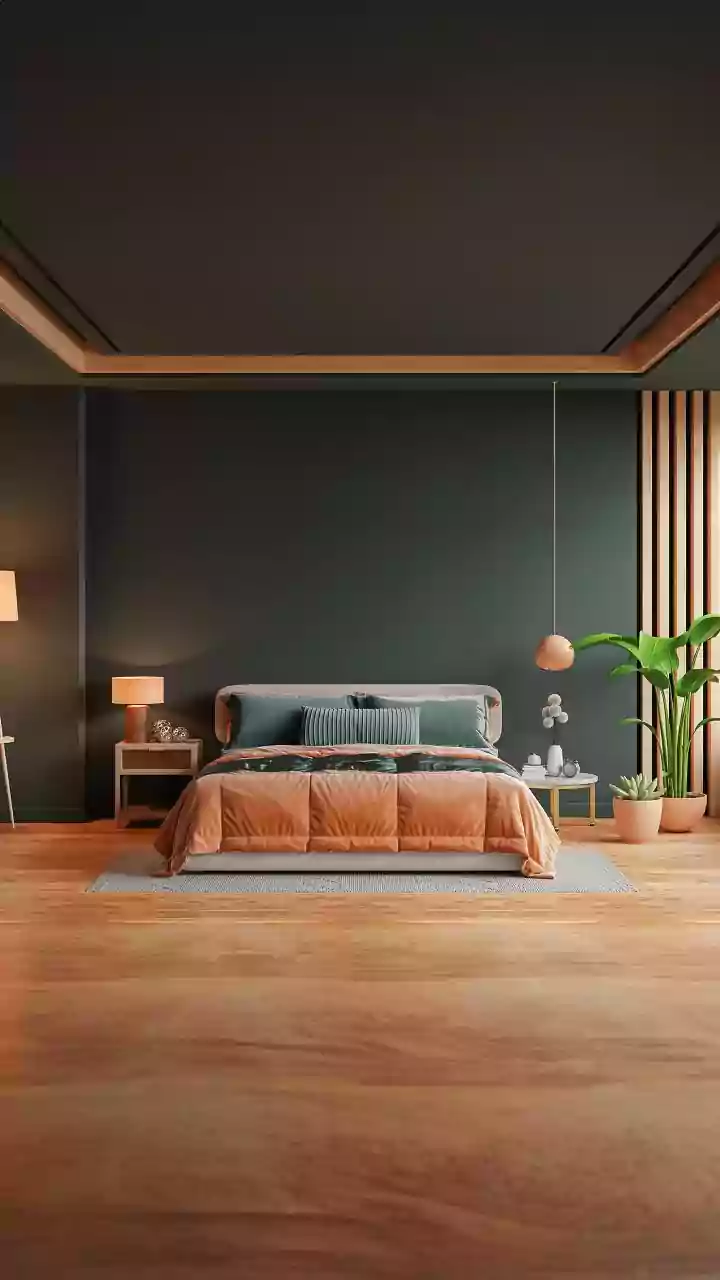
Gold leaf pairs beautifully with a neutral and considered colour palette. To maintain a serene atmosphere, balance its warmth with calming shades like whites, creams, beiges, and soft greys. These neutral backdrops allow the gold to provide a gentle lift without competing for attention. For a slightly more dramatic but still sophisticated look, consider pairing gold accents with rich, moody colours like deep navy, emerald green, or charcoal. In these combinations, the gold acts as a warm counterpoint, cutting through the dark tones to create a space that feels both cosy and luxurious. The interaction between matte finishes and the metallic sheen of the leaf can also add wonderful textural contrast.
Strategic Placements and Clever Applications
Where you apply gold leaf is just as important as how much you use. It can be used to elevate forgotten architectural details, like ceiling mouldings, columns, or window frames. This technique draws attention to the craftsmanship of a space. Another popular application is on furniture. Applying gold leaf to the legs of a console table, the handles of a cabinet, or as a pattern on a drawer front can transform a simple piece into a custom statement. You can also find it used in modern artwork, where abstract canvases are flecked with gold to add dimension. These gilded pieces can serve as a room's single, stunning metallic element.
Getting Started with DIY Gold Leaf
If you're feeling inspired to try it yourself, the good news is that gold leafing kits are widely available at craft stores. However, it's wise to start with a small project to get a feel for the delicate material. Picture frames, small decorative objects, or the edge of a simple vase are great starting points. The basic process involves applying an adhesive, known as 'size', to the prepared surface, waiting for it to become tacky, and then carefully laying the thin gold sheet on top with a soft brush. While genuine gold leaf is an investment, many accessible kits use composition leaf (often made of brass or other metals) that gives a similar look for a fraction of the cost. Remember, precision and patience are key.