




The Great Cinnamon Mix-Up
The vast majority of what is sold as cinnamon in supermarkets, particularly in North America, is not ‘true cinnamon’ at all. It’s a variety called Cassia. True cinnamon, scientifically known as Cinnamomum verum, is Ceylon cinnamon, named for its primary
place of origin, Sri Lanka (formerly Ceylon). Cassia cinnamon comes from different tree species, primarily grown in China, Indonesia, and Vietnam. While they are related, they differ significantly in appearance, flavour, and chemical composition. The term ‘Dalchini’, often used in India, can refer to both types, adding to the confusion.
Meet the Imposter: Cassia Cinnamon
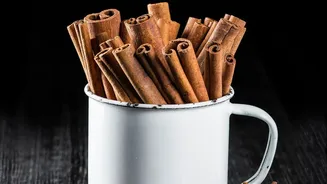
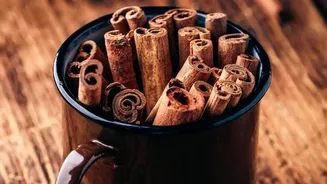
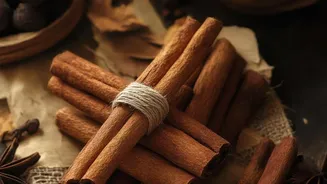
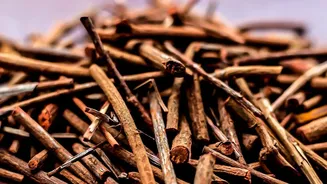
Cassia is the robust, assertive spice most of us are familiar with. Its flavour is strong, pungent, and spicy with a slightly bitter edge. This intensity comes from a high concentration of the essential oil cinnamaldehyde. Visually, cassia sticks are what you likely picture: thick, dark reddish-brown, and hard. They consist of a single, thick layer of bark that curls inward from both sides, forming a hollow, scroll-like tube. Cassia is incredibly durable, hard to break, and because it's cheaper to produce, it dominates the global market.
The Real Deal: Ceylon Cinnamon
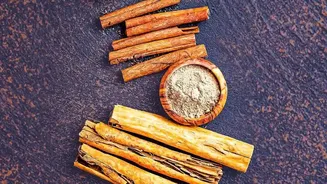
Ceylon cinnamon is a more delicate and refined spice. It has a lighter tan-brown colour and a milder, sweeter flavour with subtle floral and citrus notes. It enhances dishes without overpowering them. The most telling physical characteristic is its quill structure. True cinnamon sticks are composed of many paper-thin layers of inner bark that have been rolled together, resembling a tightly packed cigar. These quills are soft, brittle, and easily crumbled by hand. This intricate, labour-intensive harvesting process makes Ceylon cinnamon more expensive and rarer.
Does the Difference Really Matter?
For your health, it absolutely can. The primary concern with cassia is its high level of a compound called coumarin. While naturally occurring, coumarin can be harmful to the liver in large or regular doses. Cassia cinnamon contains up to 250 times more coumarin than Ceylon cinnamon, which has only negligible amounts. For someone who sprinkles cinnamon on their oats every morning or uses it in health supplements, the cumulative effect of coumarin from cassia could be a concern. European health authorities have even established a tolerable daily intake for coumarin. If you use cinnamon frequently, switching to Ceylon is a safer choice.
A Quick Guide for Shoppers
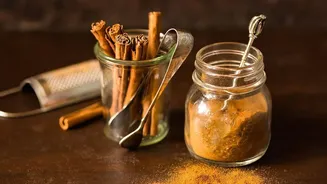
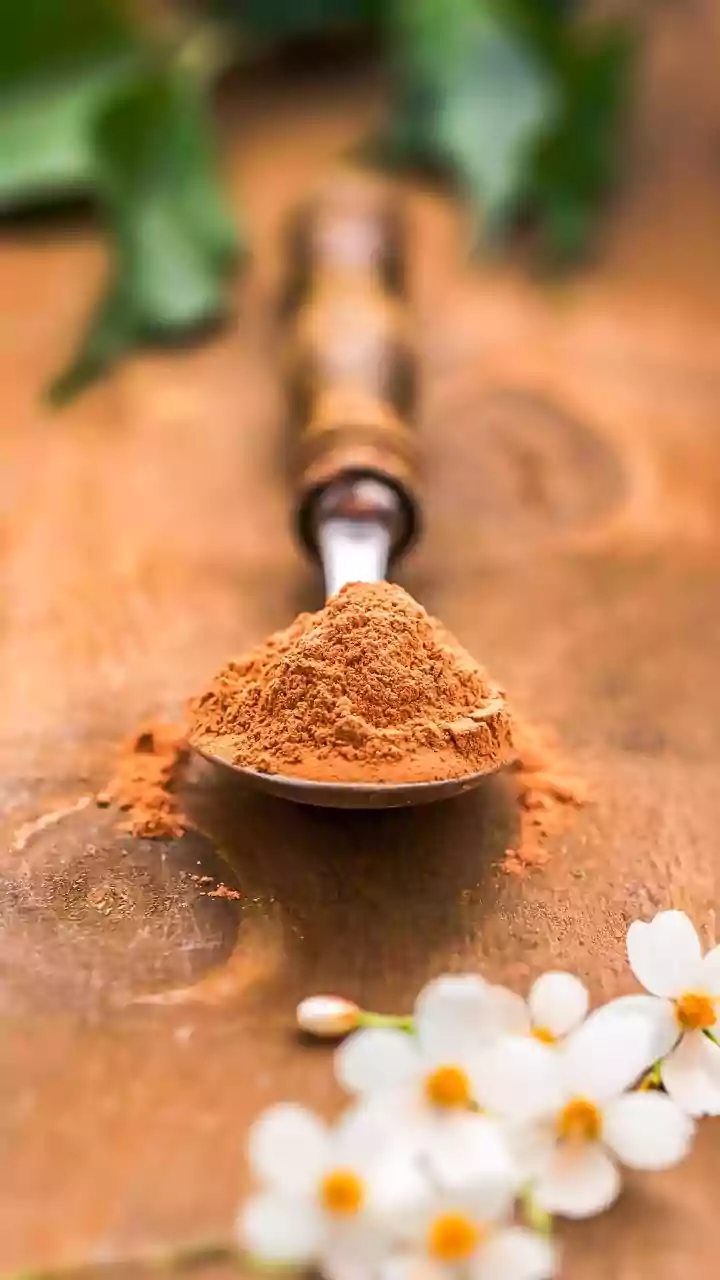
When you're at the store, how can you be sure you're getting the real thing? For sticks, the visual difference is clear: look for the multi-layered, cigar-like roll of Ceylon versus the thick, hollow scroll of cassia. For ground powder, it's trickier. Ceylon powder is typically lighter in colour and has a finer texture. The most reliable method is to check the label. Products made with true cinnamon will be proudly marked as ‘Ceylon cinnamon’ or ‘Cinnamomum verum’. If the label simply says ‘cinnamon’, it is almost certainly the cheaper cassia variety.