



In the quest for a healthier diet, we often look to expensive superfoods, overlooking the nutritional powerhouses in our own pantries. Urad dal, or black gram, is a prime example—a humble lentil packed with protein and dietary fibre.
A Nutritional Powerhouse
Urad dal is one of
the most protein-dense legumes available in the Indian kitchen. A 100-gram serving of dry urad dal contains approximately 25 grams of protein and about 18 grams of dietary fibre. This combination is key for a balanced diet. The high fibre content aids in digestion, promotes a feeling of fullness to help manage weight, and can help regulate blood sugar levels by slowing down glucose absorption. The protein is crucial for muscle repair and growth. Furthermore, urad dal is a rich source of essential minerals like iron, calcium, magnesium, and potassium, which support everything from bone health to blood circulation.
Know Your Dal: Whole vs. Split
Urad dal comes in several forms, each suited for different culinary uses. Whole black urad (sabut urad) retains its black skin, which is where much of the dietary fibre is concentrated. This variety is the star of rich, slow-cooked dishes like the iconic Dal Makhani. Then there is split urad dal, which can be found with the skin on (chilka) or without (dhuli/white urad). The white, skinless version is most famous for creating the light, fluffy batters for South Indian staples like idli and dosa, and the crispy texture of medu vada. While whole urad is more nutritionally dense due to the skin, all forms offer significant benefits.
Beyond the Breakfast Table
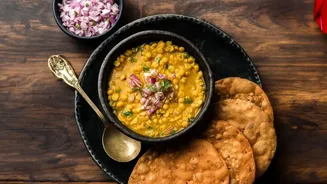
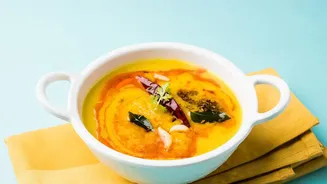
While many associate urad dal with breakfast foods like idli and dosa, its versatility extends to every meal of the day. For a comforting and nutritious lunch or dinner, a simple urad dal tadka made with split lentils is a staple in many Indian households. You can also prepare a hearty urad dal khichdi by cooking the lentils with rice and mild spices, creating a one-pot meal that is both filling and easy to digest. For a more creative approach, cooked and mashed urad dal can be kneaded into whole wheat dough to make flavourful and protein-rich dal parathas.
Snacks, Sides, and Savoury Treats
Urad dal is also a key ingredient in a variety of snacks and side dishes. Medu vada, the savoury doughnut-shaped fritter, is a beloved snack made from a thick batter of ground urad dal. The same dal can be used to make dahi vada, where the fried fritters are soaked in yoghurt. In states like Punjab and Rajasthan, a spiced paste of the dal is shaped into small nuggets and sun-dried to create 'vadi' or 'wadiyan'. These can be stored for months and later fried and added to vegetable curries for an extra layer of flavour and texture.
Tips for Easy Cooking
To make urad dal a regular part of your diet, a little preparation goes a long way. Soaking the lentils for at least 30 minutes for split varieties, and longer for whole black urad, significantly reduces cooking time and improves digestibility. Soaking, sprouting, or fermenting urad dal, as is done for idli and dosa batters, also helps to break down compounds that can inhibit nutrient absorption, making its protein and minerals more available to your body. A pressure cooker is your best friend for cooking urad dal quickly, especially the whole variety. Once cooked, it can be transformed into a simple dal or incorporated into countless other recipes.