






Pot and Soil Foundation
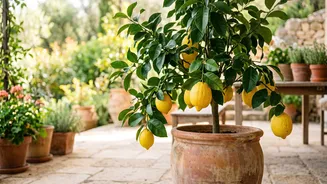
Your lemon tree's journey begins with the right home. A pot with ample drainage holes is non-negotiable, as citrus trees despise waterlogged roots. Start with a pot that is a few inches wider than the root ball and plan to repot every two to three years.
For the soil, avoid using dense garden soil. Instead, opt for a lightweight, well-draining potting mix specifically formulated for citrus plants. You can also create your own by amending a general potting mix with materials like perlite, compost, or coconut coir to ensure it stays fluffy and provides good aeration. A slightly acidic soil pH, between 5.5 and 6.5, is ideal for nutrient absorption.
Sunlight: A Daily Requirement
Lemon trees are sun-worshippers. To produce flowers and fruit, they require full sun. This means a minimum of six to eight hours of direct, unfiltered sunlight every day. An ideal spot would be a south-facing balcony or patio where the plant can soak up the maximum amount of light. If you are growing your lemon tree indoors, place it by the sunniest window you have. Insufficient light is a primary reason for a lack of fruit, as the tree will conserve energy by dropping flowers and small fruits first. You might notice the plant surviving in less light, but it is unlikely to thrive or be productive.
Watering: The Right Balance
Watering is a balancing act. Lemon trees prefer soil that is consistently moist but never soggy. A good rule of thumb is to water thoroughly when the top two inches of soil feel dry to the touch. When you do water, continue until you see excess water flowing out of the drainage holes. This ensures the entire root system is hydrated. Be mindful that potted plants, especially those outdoors in the heat, may need watering more frequently, sometimes even daily. In cooler winter months, you will need to reduce the frequency. Always check the soil before watering to avoid the fatal mistake of overwatering.
Feeding Your Hungry Plant
Potted citrus trees are heavy feeders because nutrients wash out of the container with each watering. To keep your lemon plant healthy and productive, a regular feeding schedule is essential, especially during the active growing season from spring through summer. Use a balanced fertiliser specifically designed for citrus trees, often with a higher nitrogen ratio like 6-3-3 or 7-3-3. These formulas typically include crucial micronutrients like iron, zinc, and manganese that citrus trees need. You can choose from slow-release granular fertilisers, spikes, or liquid feeds, applying them every 4-6 weeks according to package directions. Stop fertilising in late autumn and winter when the plant's growth slows down.
Pruning for Shape and Health
Pruning helps maintain the size and shape of your potted lemon tree, encourages new growth, and improves air circulation. The best time to prune is in late winter or early spring, just before the new growth flush begins. Your goal is to create an open, balanced structure. Start by removing any dead, diseased, or crossing branches. You can also trim back long, leggy shoots by about a third to encourage a more compact, bushy form. Don't be afraid to thin out the centre of the tree to allow more sunlight to reach the inner branches. Aim to remove no more than 20-30% of the plant's growth at any one time.
Managing Common Pests
Even well-cared-for plants can attract pests. Common culprits for lemon trees include aphids, citrus leafminers, whiteflies, and mealybugs. Regularly inspect your tree, paying close attention to the undersides of leaves. Aphids and whiteflies often cluster on new growth and can be dislodged with a strong spray of water. For more persistent issues, horticultural oils or insecticidal soaps are effective treatments. Leafminers leave distinctive silvery trails on leaves; the best approach is to prune and dispose of the affected leaves to prevent their spread. Catching these problems early is key to keeping your tree healthy.