









The Aagaman Mission Arrives
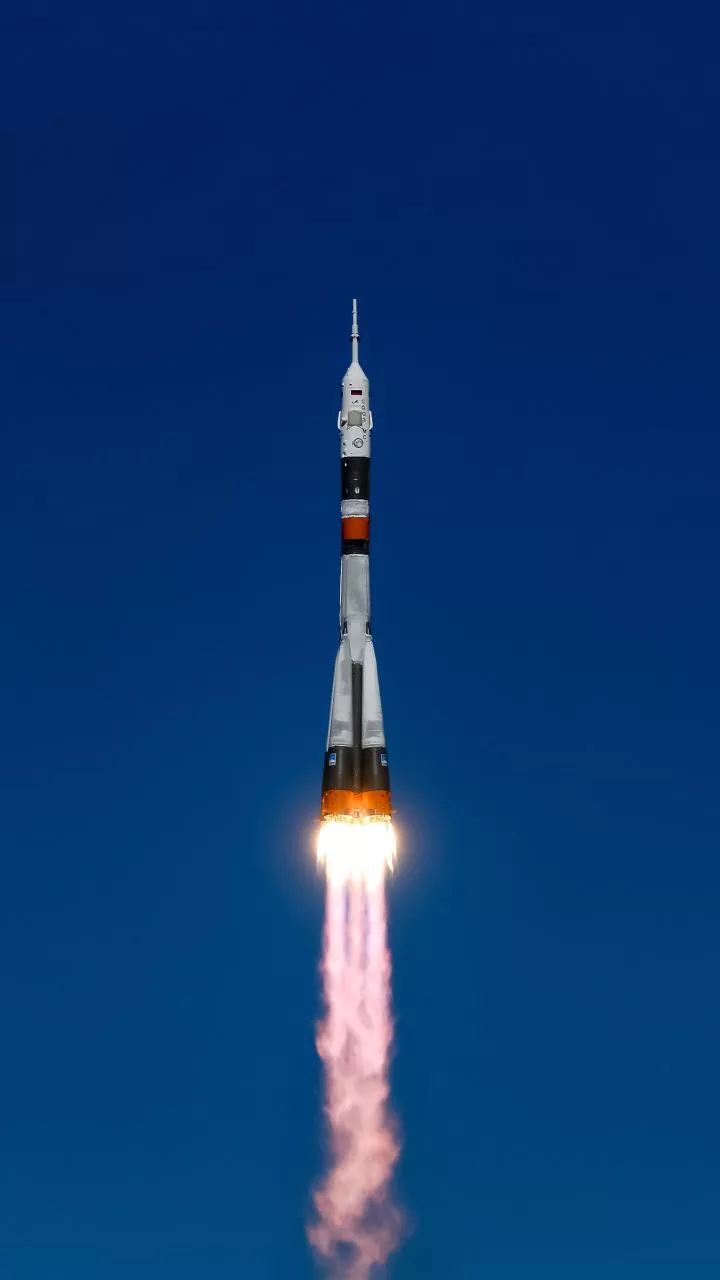
Sometime between July 12 and August 4, all eyes will be on the Satish Dhawan Space Centre in Sriharikota. From there, Skyroot Aerospace, a private company, is scheduled to launch its Vikram-1 rocket. The mission, aptly named 'Aagaman' (Sanskrit for 'Arrival'),
signifies the arrival of India's private sector into the exclusive club of orbital launch providers. The seven-storey-tall Vikram-1 is a multi-stage vehicle built with a lightweight all-carbon composite structure and powered by innovative propulsion systems, including 3D-printed engines. This maiden flight is primarily a test, designed to capture crucial in-flight performance data that will validate the rocket's systems for future missions. While it's a demonstration, the launch is also partially commercial, carrying payloads for a mix of undisclosed domestic and international customers.
From Suborbital Hops to Orbital Heights
This is not Skyroot's first rocket launch, but it is by far its most ambitious. In November 2022, the company made history with Vikram-S, the first privately built Indian rocket to reach space. However, that was a sub-orbital flight, meaning the rocket went up and came back down without achieving the velocity needed to circle the Earth. The upcoming Vikram-1 mission is an orbital launch, a far more complex and significant achievement. Successfully placing a payload into a stable orbit is the fundamental requirement for participating in the lucrative satellite launch market. This flight aims to deliver its payload into a low-Earth orbit at an altitude of 450 kilometres. A success would position Skyroot among a small group of private companies globally with proven orbital launch capabilities, ending the decades-long monopoly held by the state-run Indian Space Research Organisation (ISRO).
The Trailblazers of Skyroot
The company at the center of this historic moment is Skyroot Aerospace, founded in 2018 by former ISRO scientists Pawan Kumar Chandana and Naga Bharath Daka. Their experience within the national space agency gave them the insight and expertise to venture into the private domain. Based in Hyderabad, the company has rapidly emerged as a leader in India's nascent private space ecosystem. It became the country's first space-tech startup to achieve a unicorn valuation of over one billion dollars, attracting significant investment from firms like GIC. Their approach focuses on building reliable, low-cost, and high-cadence launch vehicles specifically for the small satellite market. The Vikram series of rockets is named in tribute to Dr. Vikram Sarabhai, the visionary founder of India's space program.
A New Era for Indian Space
Skyroot's upcoming launch is the culmination of a major policy shift. In June 2020, the Indian government unlocked the space sector, inviting private companies to participate in everything from building rockets and satellites to offering space-based services. This reform has catalyzed a boom in innovation, with nearly 400 space-tech startups now operating in the country. While Skyroot is poised for the first private orbital launch, it is not alone. Chennai-based Agnikul Cosmos is another prominent player, having successfully launched its own suborbital rocket, Agnibaan, in May 2024 from India's first private launchpad. This healthy competition is crucial for building a robust and dynamic commercial space ecosystem, moving India away from a state-led model to a collaborative public-private partnership.
The Commercial Final Frontier
The stakes of Mission Aagaman are incredibly high, both for Skyroot and for India. The global space economy, currently valued at hundreds of billions of dollars, is projected to soar past $1 trillion in the coming years. A significant driver of this growth is the booming small satellite market, which requires dedicated and frequent launch services that larger, state-run rockets often cannot provide efficiently. By proving its Vikram-1 rocket, Skyroot aims to tap directly into this demand. India's space economy is currently estimated at $8.4 billion, representing about 2% of the global market. The government's ambition, powered by private players like Skyroot, is to increase that share fourfold to about 8% over the next decade. A successful launch this month would be a giant leap toward that goal.