


The Problem with Kitchen Chemistry
Sunscreens are not simple cosmetics; in many places, including the United States, they are regulated as over-the-counter drugs. This is because their primary purpose is to prevent disease, namely skin cancer. Commercial sunscreens undergo rigorous, standardized
testing to prove they are safe and effective. A homemade recipe, no matter how well-intentioned, cannot replicate this process. Just because a recipe includes zinc oxide doesn't mean it will protect you from harmful UV rays. In fact, experts from the American Academy of Dermatology warn that most DIY sunscreens offer insufficient protection, leaving users vulnerable to sunburn, premature aging, and the most common cancer in the US, skin cancer.
Why Zinc Dispersion is Crucial
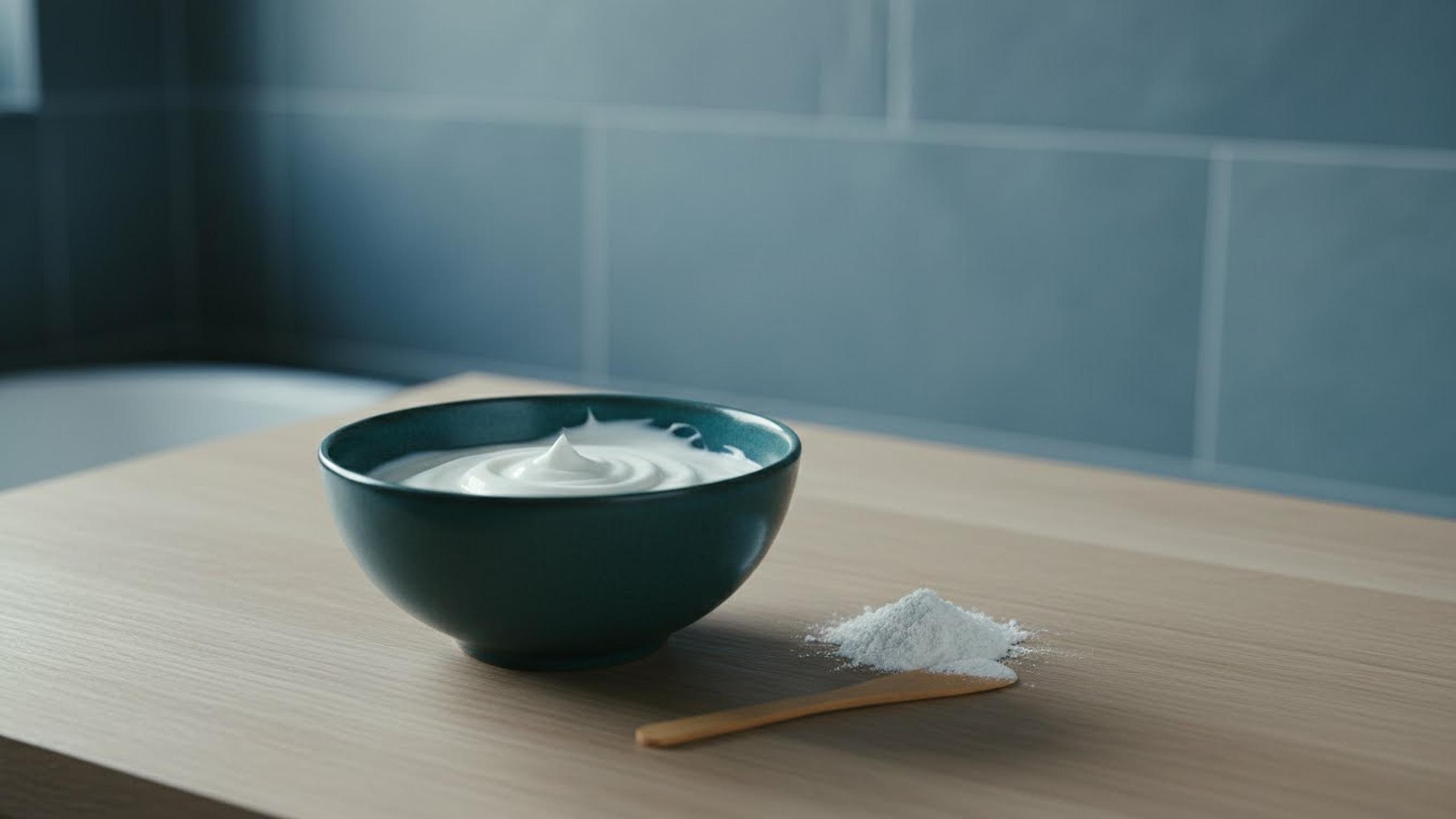
Many DIY recipes call for zinc oxide powder, a mineral UV filter. The logic seems simple: mix it into an oil or butter and apply. However, the secret to an effective mineral sunscreen lies in dispersion. The zinc oxide particles must be evenly and stably distributed throughout the formula to form a uniform, protective barrier on the skin. Without specialized laboratory equipment, achieving proper dispersion is nearly impossible. In a homemade mixture, the zinc particles will clump together, creating an uneven shield with microscopic gaps. You might feel covered, but parts of your skin will be left completely exposed to UV radiation, much like a wall with missing bricks.
The Science of Stability
A sunscreen needs to work from the first pump to the last, even after sitting in a hot car or on a sunny beach towel. Cosmetic scientists spend months on stability testing to ensure a product doesn't fail. They expose formulas to various conditions, including cycles of freezing and thawing, high heat, and humidity, to check for separation, changes in pH, or degradation of active ingredients. A homemade concoction of oils and powders has no such guarantees. It can easily separate, with the heavy zinc oxide sinking to the bottom. What you apply might just be oil, offering little to no sun protection. Furthermore, without effective preservatives, DIY products can grow mould and bacteria, posing another health risk.
The Broad-Spectrum Testing Challenge
The sun emits both UVB rays (which cause sunburn) and UVA rays (which cause premature aging and deep skin damage). A sunscreen labelled "broad-spectrum" has been scientifically proven to protect against both. This is not a guess; it's a certified claim based on stringent laboratory tests, such as measuring a product's "critical wavelength" to ensure it blocks at least 90% of the UV spectrum up to 370 nanometers. There is no way to perform this test in a kitchen. You cannot know if your homemade mixture provides any UVA protection at all. Relying on it means you could be preventing a sunburn (UVB protection) while leaving your skin defenceless against the aging and cancer-causing effects of UVA rays.
What the Experts Say
The consensus among dermatologists, cosmetic chemists, and health organizations is unanimous: do not make your own sunscreen. The Skin Cancer Foundation and the American Academy of Dermatology strongly advise against it, stating that the risks far outweigh any potential benefits. Dr. Blair Murphy-Rose, a board-certified dermatologist, puts it bluntly: "Homemade sunscreen is not safe." The ingredients may be natural, but the final product is untested and unreliable. The risk of inadequate UV protection — leading to sunburns and increasing your lifetime risk of skin cancer — is simply too high.