
Tired of the same old breakfast routine? Imagine starting your day not with toast or cereal, but with a golden, savoury fritter that's impossibly crispy on the outside and wonderfully soft within. Welcome to the world of the vada breakfast.
The Quintessential South Indian Morning
While vada
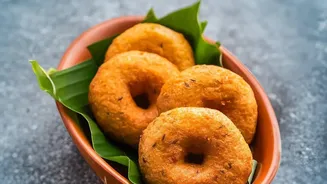
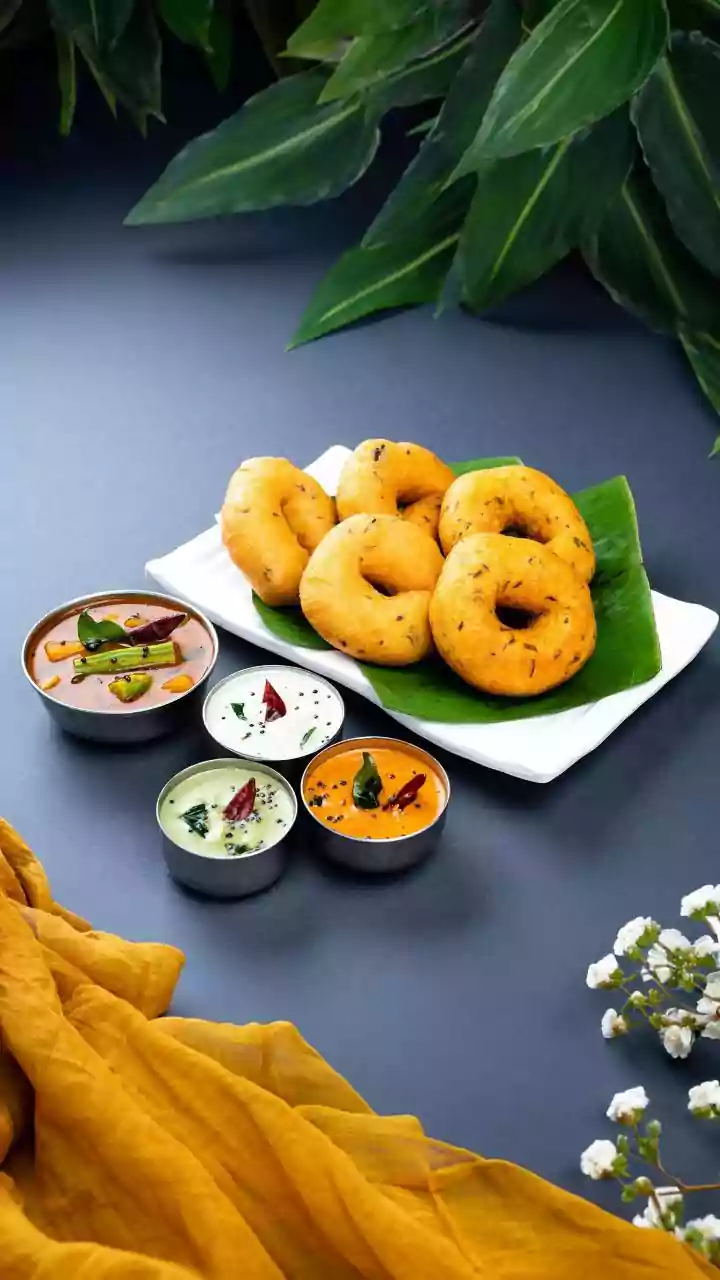
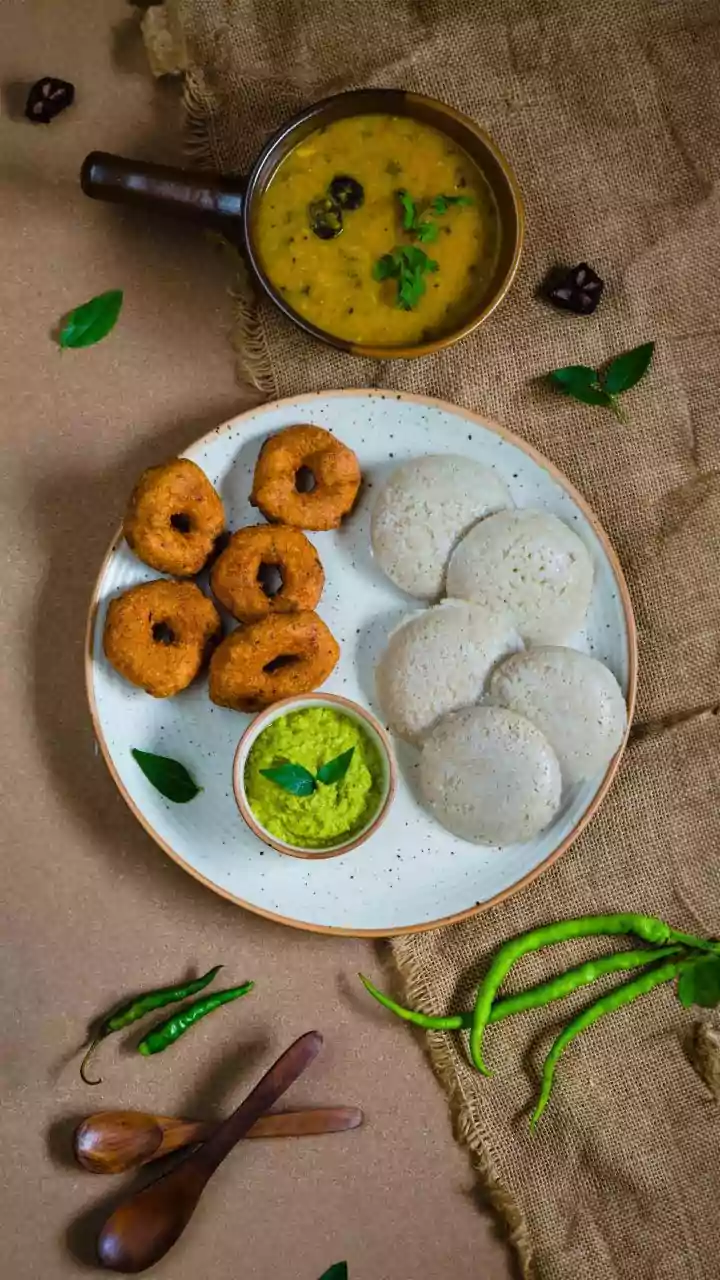
is a beloved snack across India, its role as a breakfast staple is most prominent in the southern states. Here, the most common morning star is the Medu Vada. The name itself gives a clue to its texture; 'Medu' means 'soft' in Kannada. This iconic dish is a savoury, doughnut-shaped fritter made from a batter of urad dal (black lentils). The lentils are soaked, ground into a thick paste, seasoned with spices like black pepper, cumin, ginger, and curry leaves, then deep-fried to golden-brown perfection. The result is a delightful contrast: a perfectly crisp exterior that gives way to a soft, fluffy, and almost spongy interior. This unique texture and savoury flavour profile make it a satisfying and energizing start to the day.
The Perfect Partners: Sambar and Chutney
A vada is rarely served alone; its identity is completed by its classic accompaniments. A typical vada breakfast platter includes a bowl of steaming hot sambar and a side of fresh coconut chutney. Sambar, a tangy and flavourful lentil-based vegetable stew, is the perfect medium for dunking. The crispy vada soaks up the aromatic liquid, softening slightly while adding its savoury depth to every bite. On the other side, the coconut chutney provides a cooling, fresh counterpoint. Its creamy texture and mild sweetness balance the heat from the spices in the vada and the tang of the sambar, creating a harmonious and complete meal. This classic 'idli-vada-sambar' combination is an institution in South Indian breakfast culture.
The Secret to the Signature Crunch
Achieving the perfect vada texture is an art form that home cooks and chefs have perfected over generations. The key lies in the batter. It must be ground with very little water to ensure it's thick and airy. In fact, some cooks insist on using ice-cold water to prevent the grinder from heating up and making the batter dense. After grinding, the batter is often whipped vigorously by hand for several minutes to incorporate air, which is what makes the inside so light and fluffy. Adding a small amount of rice flour can also enhance the crispiness of the outer shell. The final step is frying in oil at a precise medium heat; too hot and the inside remains uncooked, too low and the vada absorbs too much oil.
Beyond the Medu: A World of Vadas
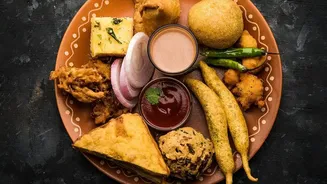
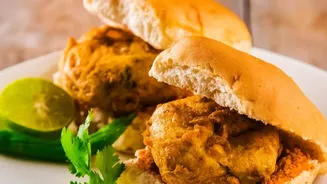
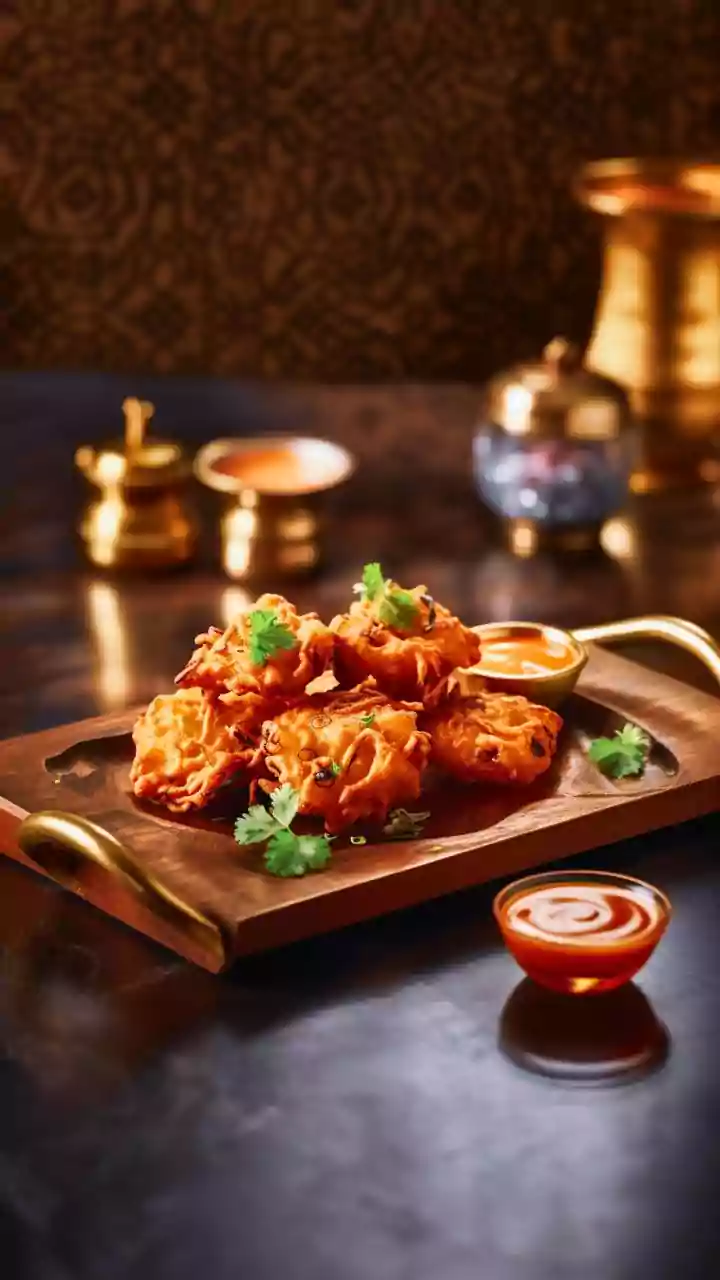
While Medu Vada reigns supreme at breakfast, the world of vadas is vast and varied. The Masala Vada, also known as Paruppu Vadai in Tamil Nadu, is another popular choice. Made from chana dal (Bengal gram), it is flatter, denser, and significantly crunchier, with a coarser texture and robust spicing from ingredients like fennel seeds and onions. In Maharashtra, the Batata Vada — a spicy mashed potato ball coated in gram flour batter and fried — is a star, famously served inside a soft bread roll as Vada Pav. Other regional variations include Sabudana Vada from Maharashtra, made with tapioca pearls, and Mirchi Vada from Rajasthan, where large green chillies are stuffed with a spiced potato filling before being battered and fried. Each version offers a different take on the beloved fried snack.