


The Art of Roasting in Salt
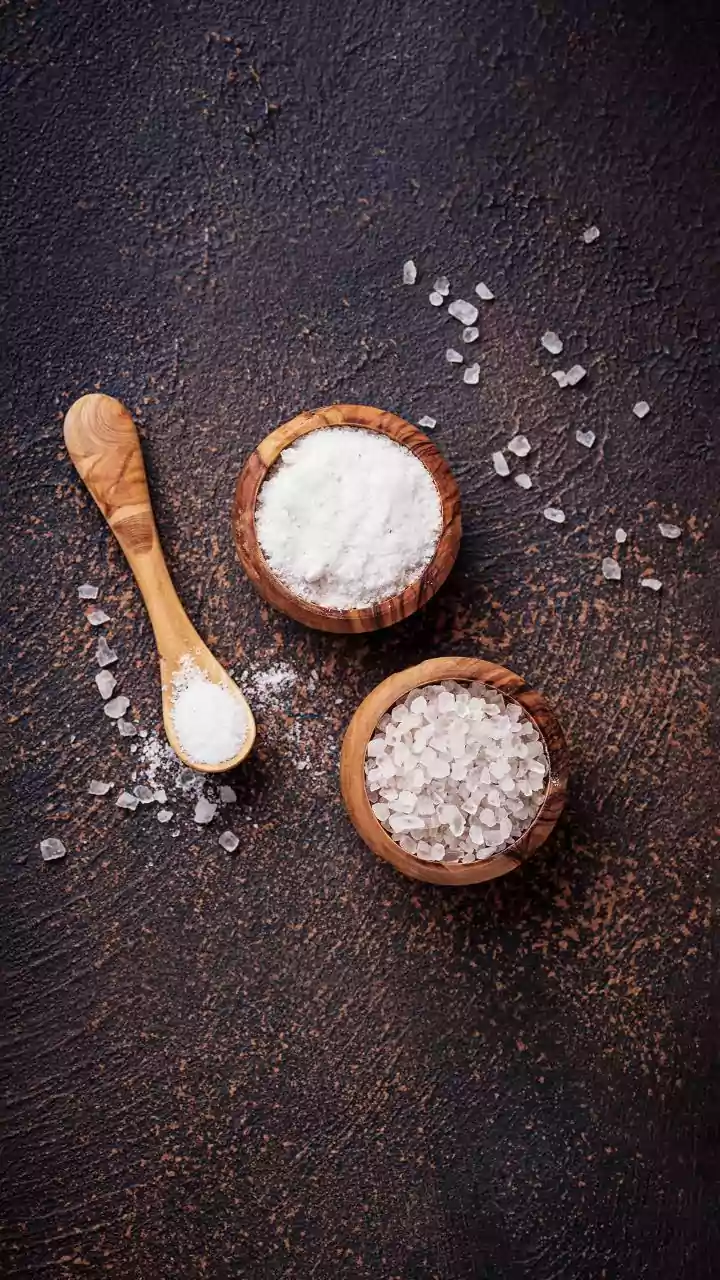
Across India, from bustling city corners to quiet village markets, you'll find vendors practicing an ingenious and ancient cooking method. Armed with a large, heavy-bottomed wok, or kadai, they heat coarse salt to a high temperature, creating a turbulent,
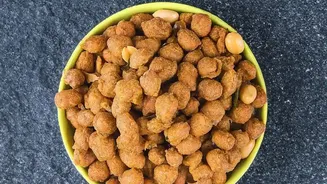
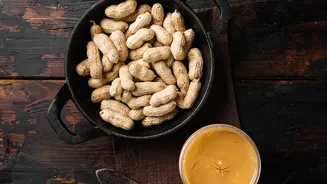
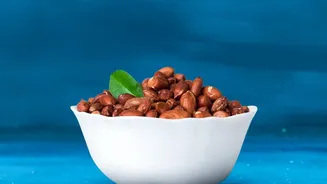
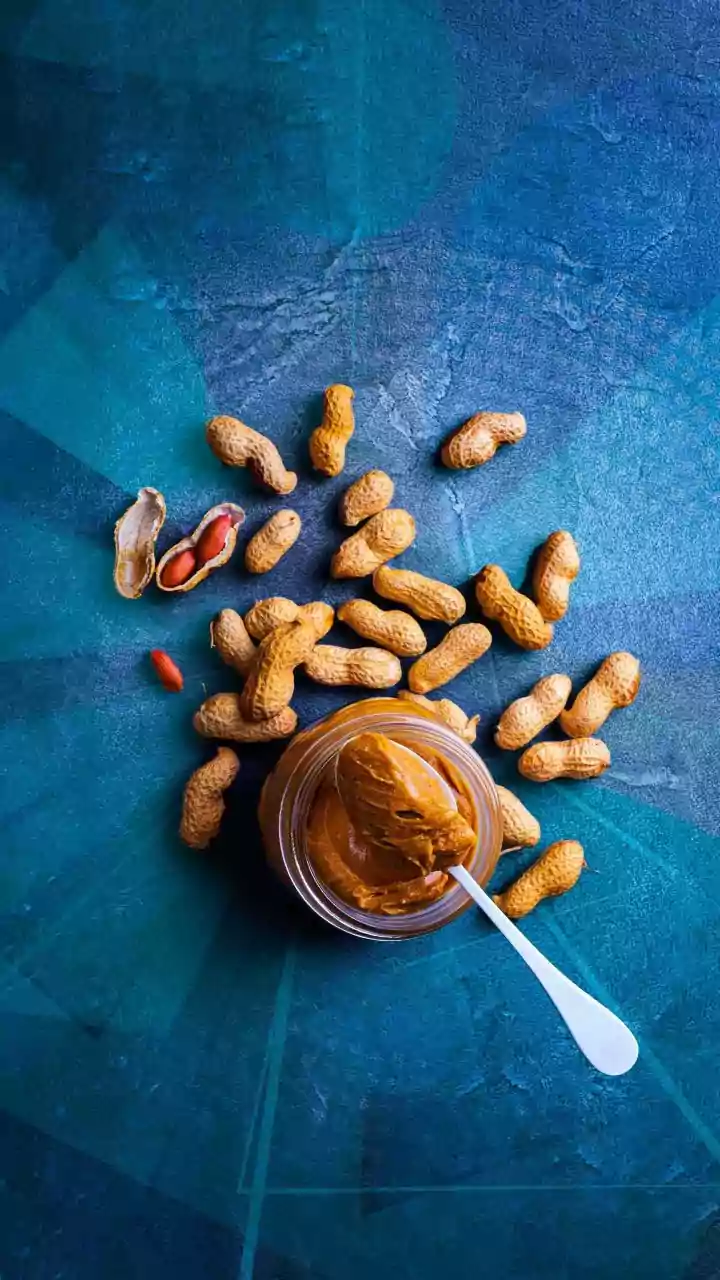
shimmering bed. Into this dry, intensely hot environment, they toss raw peanuts. What follows is a mesmerising dance as the vendor continuously stirs the peanuts, ensuring they move constantly within the hot salt. This isn't deep-frying; it's a form of dry roasting where the salt, not oil, acts as the medium for transferring heat. After several minutes of vigorous tossing, the peanuts emerge perfectly roasted, their skins slightly blistered and their aroma filling the air.
The Science of a Superior Crunch
So, how does salt cook peanuts so effectively? The principle is simple yet brilliant. Salt is an excellent conductor and retainer of heat. When heated, the fine grains surround each peanut, distributing the heat evenly and consistently. This method is technically a form of dry roasting that rapidly dehydrates the outer layers of the peanut, triggering the Maillard reaction—the chemical process responsible for the browning and complex, savoury flavours we associate with roasted foods. Unlike being submerged in oil, the hot salt draws moisture out, resulting in a uniquely deep, resonant crunch that is difficult to replicate with other methods. The peanuts cook from all sides simultaneously, preventing the uneven or burnt spots that can occur with pan-roasting.
A Healthier, More Flavourful Snack
The most apparent benefit of salt-roasting is the complete absence of added oil. This makes it a significantly lighter option compared to deep-fried peanuts, with fewer calories from fat. While peanuts themselves contain healthy monounsaturated fats, avoiding the addition of cooking oil makes the snack less greasy and allows the natural flavour to shine. Many believe that oil can sometimes mask the true taste of the nut. Salt-roasting, however, enhances it. A small amount of salt may adhere to the peanut's shell, providing just enough seasoning without being overpowering. The result is a snack that tastes more intensely of peanut, with a clean, nutty finish and an unbeatable texture.
A Timeless and Versatile Technique
This method isn't reserved just for peanuts. Street vendors across the country use the same hot salt or sand-roasting technique for a variety of snacks. You can find everything from chickpeas (chana) and corn kernels to puffed rice (muri) and various fryums (potato starch crisps) being tossed in a kadai of hot salt. This demonstrates the versatility and efficiency of the technique, which has been passed down through generations. Historically, it was a practical and economical alternative in places where cooking oil was expensive or scarce. Today, it stands as a testament to traditional culinary wisdom, creating beloved snacks using simple, readily available materials.