


The Garden That Became a Hotspot
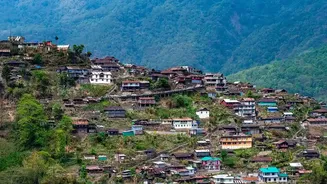
Tucked away in the East Khasi Hills, just a stone's throw from the Bangladesh border, Mawlynnong was once a quiet hamlet of about 100 families. Its transformation began in 2003 when a travel magazine crowned it "Asia's Cleanest Village." This wasn't a marketing
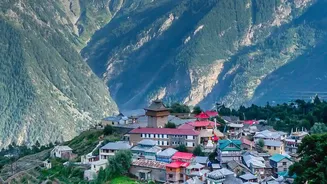
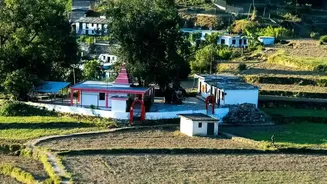
gimmick; it was a reflection of a deeply ingrained community ethos. In Mawlynnong, cleanliness is a way of life, taught from childhood. Residents collectively maintain the pristine lanes, lined with bamboo dustbins and flowering plants. The use of single-use plastic is forbidden, and a strict no-littering policy is in effect. This community-led effort turned the village, also called "God's Own Garden," into a national marvel and a major tourist draw.
When Paradise Gets Overwhelmed
The title that brought fame also brought immense pressure. On a busy Saturday, Mawlynnong, a village of around 600 residents, could see up to 1,000 visitors pour in. While tourism brought economic prosperity, with many families opening homestays and restaurants, it came at a cost. The quiet village life was disrupted by traffic, noise, and the inevitable problem of waste left behind by some visitors. The very charm that attracted tourists—its peace and pristine environment—was being threatened by the sheer volume of people. The Dorbar Shnong, or village council, recognised that the delicate balance was tipping. After years of debate, they realised that the community needed a day to breathe.
Reclaiming a Day of Rest
In January 2026, the village council implemented a new rule: no day-trippers allowed on Sundays. This decision was not taken lightly. For the predominantly Christian residents of Mawlynnong, Sunday is a day for church, family, and rest. The constant stream of tourists was beginning to interfere with their religious observances and community life. By closing to day visitors, the village ensures residents can attend church services without interruption and spend quality time with their families. All shops, eateries, and public facilities for tourists are shut, sending a clear message that Sunday is reserved for the community. As one resident put it, the break allows them to have a "real village life."
A Bold Statement on Sustainable Tourism
Mawlynnong's decision is more than just a logistical change; it's a powerful statement on sustainable tourism. The community has willingly chosen to forgo a day of significant income to prioritise its well-being and cultural integrity. This move is a conscious effort to prevent burnout and ensure the long-term preservation of the village's unique identity. By setting clear boundaries, the residents are taking control of their narrative, moving from a passive tourist destination to an active manager of their own resources. It’s a lesson for other over-touristed destinations in India struggling to cope with the environmental and social costs of their popularity.
What This Means for Travellers
For anyone planning a trip, the message is simple: plan your visit between Monday and Saturday. The village remains open and welcoming six days a week. Tourists who are already staying overnight in the village's homestays are welcome to remain through Sunday. The rule specifically targets the large influx of one-day visitors who often arrive in buses and taxis. The new policy encourages a more mindful form of travel, urging visitors to respect local customs and understand that they are guests in a living, breathing community, not just a picturesque backdrop. A small sign at the entrance politely informs visitors of the Sunday rule, asking for their cooperation.