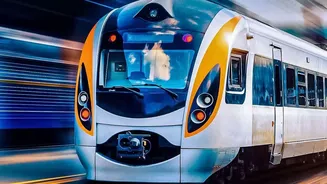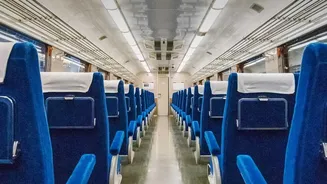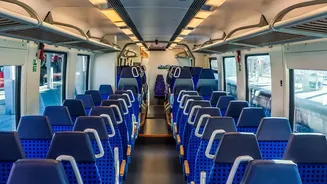








As the much-anticipated Vande Bharat sleeper trains begin to roll out, so does a new approach to onboard dining. IRCTC is revamping the menu, but this means some familiar items will no longer be on your tray. Here’s what’s changed.
A 'Less Is More' Strategy
Indian Railway Catering
and Tourism Corporation (IRCTC) has initiated a pilot project to introduce a 'compact menu' on select Vande Bharat sleeper routes. This change, which began on November 1, 2026, was implemented in response to passenger feedback concerning food quality and hygiene. The core idea is that by offering fewer dishes, IRCTC can better monitor preparation, maintain consistency, and ensure a higher standard of meals, a model similar to airline catering. The project is currently active on three key routes: New Delhi-Varanasi, Mumbai-Bengaluru, and Howrah-Kamakhya. Depending on passenger feedback from this trial, the simplified menu could be expanded to other long-distance trains in the future.
Breakfast Items That Didn't Make the Cut
The breakfast service has seen the most significant changes as part of this menu overhaul. Several popular but complex items have been removed to streamline service and focus on a few core offerings. Passengers will no longer find egg omelettes, omelette sandwiches, or vegetable sandwiches on the menu. Other accompaniments and snacks that have been discontinued include soup, buttermilk (chaas), and chocolates. The new, simplified breakfast menu now gives passengers a choice between a few select dishes, such as idli-vada with sambar and chutney, poha, or upma.
Changes to Lunch and Dinner
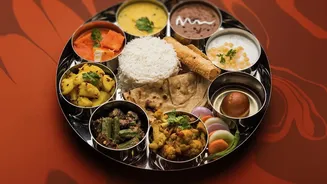
The main meals for lunch and dinner have also been trimmed down, with a focus on the core components of a thali. Previously, a meal tray might have included eight to ten different items. Under the new system, that number has been reduced to about four. The items removed from the standard lunch and dinner trays are primarily the side dishes and accompaniments. These include curd (dahi), salad, pickles, and a separate dry vegetable (sabzi) preparation. Sweets, which were often the final course, have also been removed from the standard meal service.
Why Were These Foods Removed?
The decision to remove these specific food items is directly linked to the project's main goals: improving quality and hygiene. According to railway officials, a simpler menu reduces the complexity of preparation and logistics, making it easier for catering partners to maintain high standards. By removing items like salads, extra vegetables, and curd, IRCTC aims to minimize the chances of spoilage and quality variance on long journeys. This move is part of a broader strategy to partner with high-end cloud kitchens and established hospitality groups, like TajSATS and Mayfair Group, to produce consistent, high-quality meals off-site. This ensures better control over the entire food supply chain.
Lighter Meals, Unchanged Portions
Along with fewer items, passengers will notice that the overall meal tray is lighter. The total weight of a meal has been reduced from approximately 700-750 grams to about 450-500 grams. However, IRCTC officials have clarified that the portion sizes of the main dishes—such as the chapati, rice, dal, and main curry (vegetarian or chicken)—have not been reduced. The weight difference comes entirely from the removal of the multiple side dishes. The focus is now on delivering a satisfying core meal rather than a wide variety of smaller accompaniments. This streamlined approach has reportedly already led to a drop in passenger complaints on the pilot routes.