




The Silent Aggressor in Your Joints
To understand how food helps, we first need to understand the problem. Cartilage is the smooth, flexible tissue that cushions the ends of your bones, allowing for fluid movement. Over time, factors like age, injury, or excess weight can lead to its breakdown,
a hallmark of osteoarthritis. A major driver of this breakdown is chronic, low-grade inflammation. Unlike the acute inflammation that helps heal a cut, this persistent type releases enzymes and other chemicals that slowly eat away at cartilage, making joints painful and stiff. This process creates a vicious cycle where cartilage damage causes more inflammation, which in turn causes more damage.
Your Plate as a Protective Shield
This is where your diet comes in. Many whole foods are packed with natural compounds that have powerful anti-inflammatory effects. These include antioxidants, polyphenols, and healthy fats like omega-3s. These nutrients work by neutralizing unstable molecules called free radicals and down-regulating the inflammatory pathways in your body. Think of it as building an internal shield. By consistently consuming these foods, you can help calm the inflammatory environment in your joints, potentially slowing the rate of cartilage degradation and preserving function.
The Power of Colourful Produce
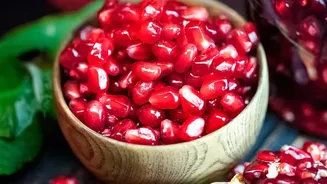
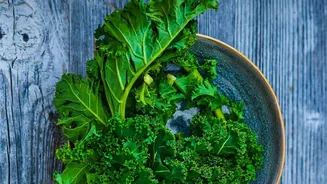
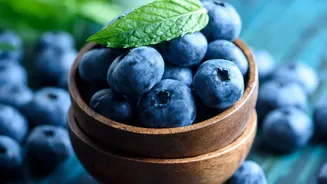
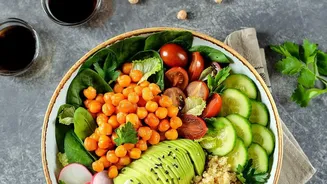
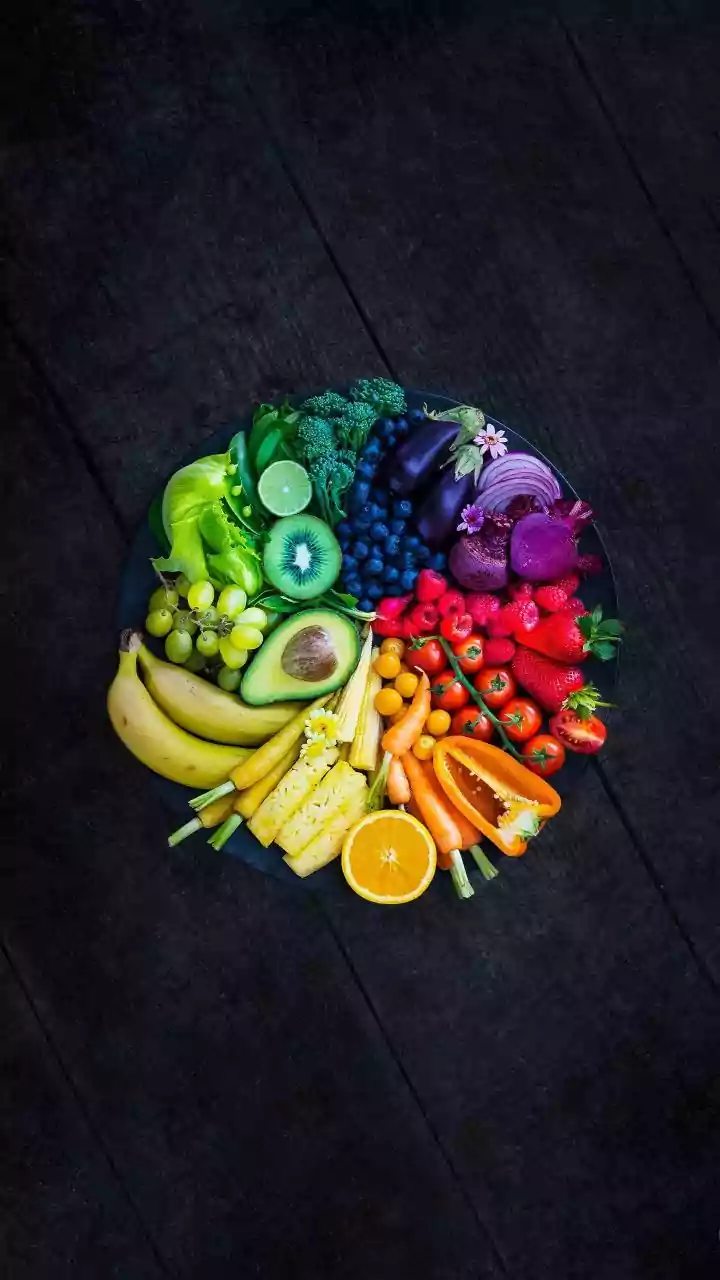
A vibrant plate is a joint-friendly plate. Berries like blueberries and strawberries are loaded with antioxidants called anthocyanins, which give them their rich colour and have been shown to reduce inflammation. Leafy green vegetables such as spinach and kale are rich in Vitamin K, which research suggests is important for cartilage health. They also provide Vitamin C, a crucial nutrient your body needs to produce collagen, a key structural component of cartilage. Aim to fill half your plate with a variety of colourful fruits and vegetables at every meal.
Embrace Healthy Fats
Not all fats are created equal. Omega-3 fatty acids are particularly beneficial for joint health due to their potent anti-inflammatory properties. Found in fatty fish like salmon and mackerel, as well as in plant sources like walnuts and flaxseeds, omega-3s are converted by the body into compounds that help resolve inflammation. Some studies suggest that omega-3s may also reduce the activity of enzymes that break down cartilage. Extra virgin olive oil is another excellent choice, containing a compound called oleocanthal, which has natural anti-inflammatory effects.
Spice Up Your Joint Health
Herbs and spices are concentrated sources of anti-inflammatory compounds. Turmeric, a bright yellow spice common in Indian cuisine, contains curcumin. Studies have shown that curcumin can block inflammatory cytokines and enzymes, potentially reducing joint pain and swelling. Ginger is another powerful root that contains gingerols, which function in a similar way to reduce inflammation. Even garlic may help, as its components can interfere with the production of inflammatory proteins that might otherwise damage cartilage. Adding these spices to your cooking is an easy way to boost your intake of protective compounds.
Add Cruciferous Vegetables
Vegetables like broccoli, Brussels sprouts, and cauliflower belong to the cruciferous family and contain a powerful compound called sulforaphane. Research suggests that sulforaphane may help protect cartilage by blocking specific enzymes that are responsible for joint damage in osteoarthritis. Lightly steaming or stir-frying these vegetables is a great way to retain their valuable nutrients while making them a delicious addition to your meals.