





Start Small: The Power of Bulk Bins
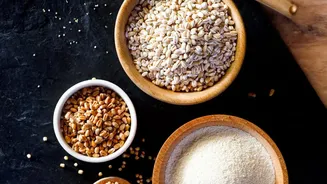
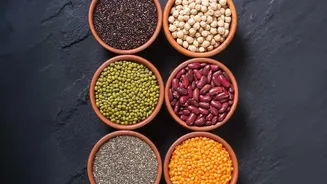
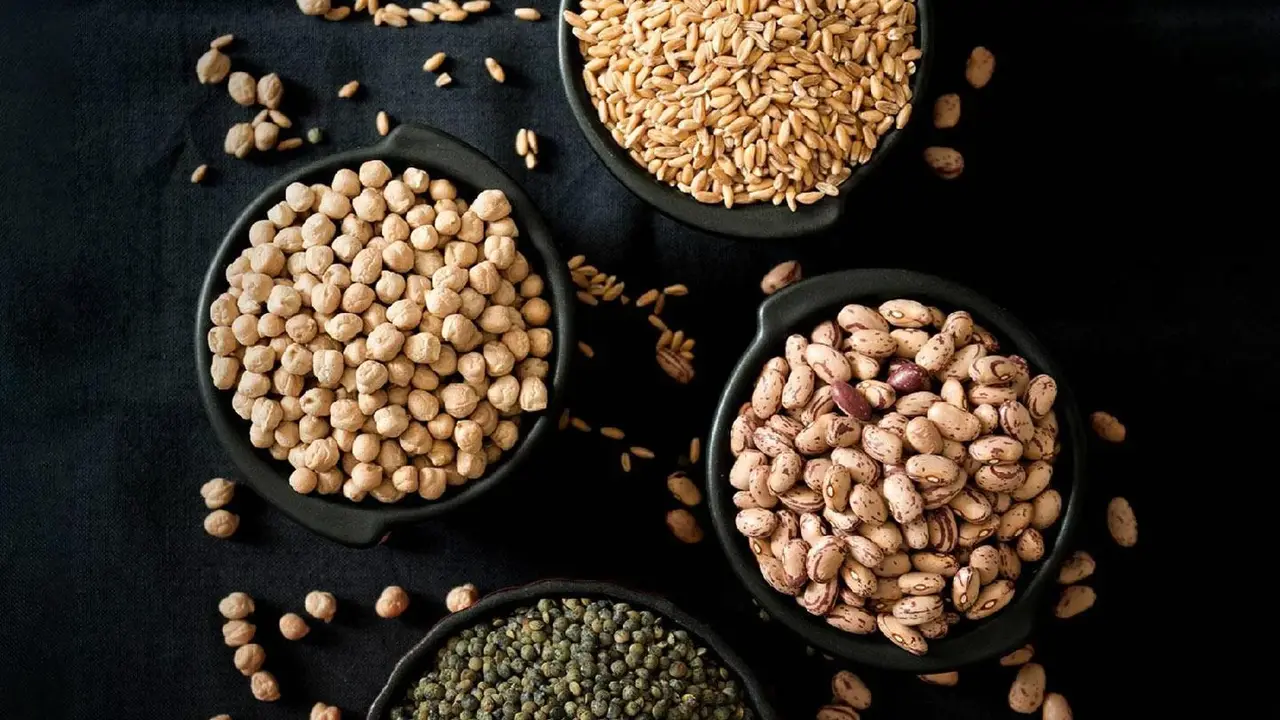
The single best strategy for grain exploration is to buy only what you need. Many health food stores and some larger supermarkets have bulk food sections where you can purchase grains by weight. This is your playground. Instead of a two-kilo bag of buckwheat,
you can buy a single cup to try it out. This approach is not only cost-effective but also minimises food waste if you decide a particular grain isn’t for you. It allows you to experiment with several options—like amaranth, sorghum, and various millets—for the same cost as one large, pre-packaged bag. Look for local stores that offer this service; it's a game-changer for culinary experimentation.
Choose Versatile 'Gateway' Grains
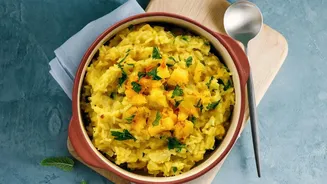
Not all grains are created equal when it comes to ease of use. Start with a few that are known for their versatility. Millets, for example, are a great starting point, familiar in many Indian households but often underutilised. They can be cooked into a porridge, used as a rice substitute, or added to salads. Amaranth and buckwheat are other excellent choices. Amaranth can be simmered into a creamy porridge or popped like corn for a crunchy topping, while buckwheat (kuttu), often available as flour, can be used for pancakes or flatbreads. These grains don’t require complicated new recipes and can be easily integrated into dishes you already make.
Think 'Addition,' Not 'Replacement'
One of the biggest mental hurdles is thinking you need to cook a whole new meal centred around an unfamiliar grain. Instead, think of them as nutritional boosters. Try adding a few tablespoons of cooked millet or amaranth to your regular dal, vegetable soups, or salads. This method lets you get accustomed to the new flavour and texture in a familiar context. You can also mix a small amount of a new grain with rice as it cooks. For instance, a 3:1 ratio of rice to foxtail millet cooks well together and introduces a new texture without being overwhelming.
Upgrade Your Breakfast and Bakes
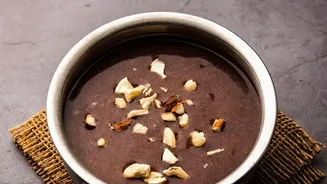
Breakfast is a fantastic, low-stakes meal for experimentation. Add a spoonful of amaranth or millet to your morning oatmeal or porridge for a protein and fibre boost. They cook along with the oats and add a lovely, slightly nutty flavour. If you enjoy baking, you don’t need to find entirely new recipes. Simply substitute a small portion—say, 25%—of your regular wheat flour with a whole-grain flour like buckwheat, millet, or sorghum flour. This works wonderfully in muffins, pancakes, and even chapatis, adding a rustic flavour and extra nutrients without dramatically changing the texture.
Smart Storage for Small Batches
Once you bring your small haul of grains home, proper storage is key to keeping them fresh. Whole grains contain natural oils in their germ, which can go rancid if exposed to heat, light, and air. Store your small quantities in airtight containers like glass jars. Keep them in a cool, dark place like a pantry cupboard. For longer-term storage, especially in humid climates, the freezer is your best friend. Storing grains in airtight containers or vacuum-sealed bags in the freezer can extend their shelf life from a few months to over a year, ensuring your experimental purchases don't go to waste.