



The Calorie and Carb Contrast
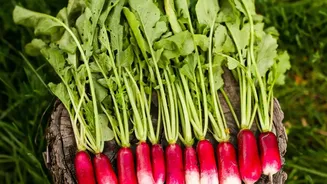
When managing weight or looking for a light addition to a meal, calories are often the first thing people check. In this respect, radish is the clear winner. A 100-gram serving of raw radish contains only about 16 calories, whereas the same amount of beetroot
has around 43 calories. This difference primarily comes down to carbohydrates and sugar. Beetroot contains roughly 9.6 grams of carbs per 100g, with about 6.8 grams being natural sugars. Radish, by comparison, has just 3.4 grams of carbs and 1.9 grams of sugar. This makes radishes an excellent choice for those seeking to add volume and a satisfying crunch to their salads and snacks without a significant caloric impact.
Beetroot's Nutrient-Dense Profile
What beetroot lacks in low-calorie credentials, it more than makes up for in nutritional density. It is particularly rich in several key vitamins and minerals. Beetroot is a fantastic source of folate (Vitamin B9), which is essential for normal tissue growth and cell function, making it especially important for pregnant women. It also provides a significant amount of manganese, potassium, and iron. Potassium is crucial for maintaining healthy blood pressure levels, while iron is necessary for transporting oxygen in the blood. This robust mineral profile makes beetroot a valuable food for overall health, energy, and bodily function.
Radish and the Vitamin C Boost
While beetroot leads in many minerals, radish has its own star nutrient: Vitamin C. Radishes are a great source of this essential antioxidant, providing significantly more than beetroot per serving. A 100-gram serving of radish can offer a substantial portion of your daily Vitamin C needs. This vitamin is vital for a healthy immune system, skin health, and protecting your cells from damage caused by free radicals. Radishes are also a decent source of calcium, which is important for bone health.
The Unique Power of Plant Compounds
Beyond standard vitamins and minerals, both vegetables contain unique bioactive compounds with impressive health benefits. Beetroot is famous for its high concentration of dietary nitrates. The body converts these nitrates into nitric oxide, a molecule that helps relax and dilate blood vessels, which can improve blood flow and lower blood pressure. This effect has also made beetroot juice popular among athletes looking to boost endurance and performance. Beetroots also get their rich colour from antioxidants called betalains, which have anti-inflammatory properties. Radishes, as part of the cruciferous vegetable family, contain compounds like glucosinolates and isothiocyanates, which are linked to detoxification and may have protective properties.
Fiber, Digestion, and Your Plate
Fiber is crucial for digestive health, promoting regularity and contributing to feelings of fullness. Here, the two vegetables are more closely matched, though beetroot takes a slight lead. A 100g serving of beetroot offers about 2.8 grams of dietary fiber, while radish provides around 1.6 grams. Both contribute to a healthy gut, but beetroot's higher fiber and carbohydrate content can make it feel more substantial. In the kitchen, this translates to different uses. The earthy sweetness of beetroot is perfect for roasting, boiling, or juicing for a nutrient-packed drink. The peppery, crisp texture of radishes makes them ideal for slicing raw into salads, pickling, or serving as a crunchy, low-calorie dipper.