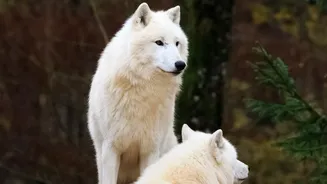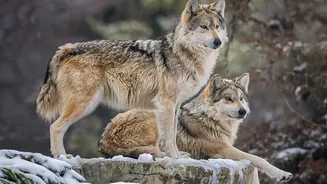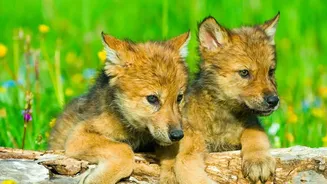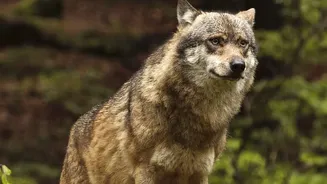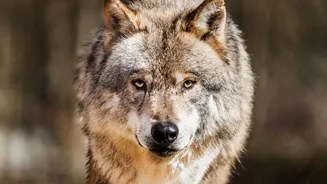






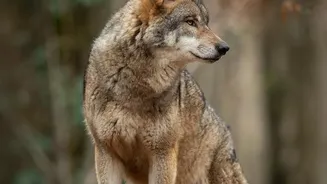
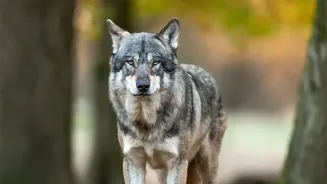

A Continental Comeback
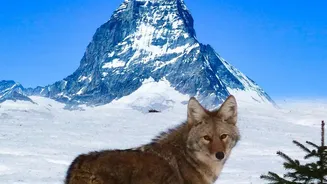
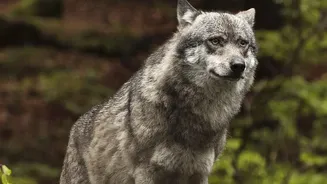
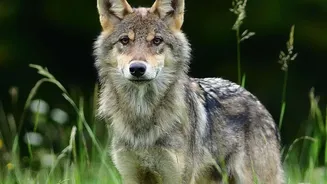
Not long ago, the howl of a wolf was absent from most of Europe. Today, it’s a sound of success. A 2025 study confirmed that by 2022, Europe was home to at least 21,500 wolves, a staggering 58% increase over the previous decade. This revival wasn't the result
of a grand reintroduction scheme. Instead, wolves accomplished it on their own, expanding from remnant populations in countries like Italy and Poland. Thanks to legal protections, recovering prey populations, and rewilding efforts that are restoring natural habitats, wolves have reclaimed vast territories, crossing borders and even venturing into densely populated regions. Countries like Spain, Romania, and Italy now each host over 1,000 wolves, with Germany’s population growing from a single pack in 2000 to over 200 in recent years.
The Rise of the Wolf Watchers
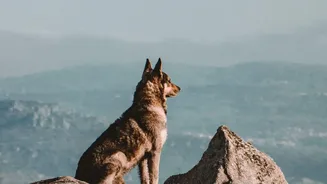
This wildlife success story has ignited a new passion among travellers: wolf tourism. Adventure seekers are now flocking to Europe’s wild corners, not for ancient ruins, but for a chance to glimpse this elusive predator. In regions like the Riaño Mountains in northern Spain and the Abruzzo National Park in Italy, a new eco-tourism economy is taking root. Small, specialised tour operators guide visitors on expeditions, teaching them to read tracks, understand pack behaviour, and scan rugged landscapes for movement. These trips, which can range from day excursions to multi-day adventures, offer an immersive nature experience. Hotspots have emerged in Poland's ancient Białowieża Forest, Romania's Carpathian Mountains, and the remote valleys of Portugal's Greater Côa Valley, each offering a unique backdrop for tracking the Iberian, Italian, or Eurasian wolf subspecies.
More Than Just a Sighting
For many, the allure of wolf watching isn't just about the sighting itself, which is never guaranteed. It’s about the thrill of the pursuit and the deep connection to a wilder world. Guides lead small groups through dense forests and over misty mountains, often starting before dawn. The experience is an education in ecology, as travellers learn about the entire ecosystem that supports the wolves, from the deer and wild boar they prey on to the other carnivores like lynx and bears that share their territory. The possibility of hearing a distant howl echo through a valley at dusk or finding fresh tracks in the snow is often as powerful as seeing a wolf. It’s a reminder that true wilderness still exists, sometimes just a few hours from major European cities.
A New Model for Coexistence
The return of an apex predator is not without its challenges. The increase in wolf populations has led to conflicts, particularly with farmers who face livestock losses. Annual compensation for livestock damage across the EU costs millions of euros. However, the growth of wolf-related tourism presents a powerful counter-narrative, demonstrating that a living wolf can be more valuable than a dead one. The economic benefits extend beyond tourism; studies suggest wolves help control deer and boar populations, which may reduce crop damage and even car accidents. As the continent adapts, a new model is emerging—one where communities learn to coexist with large carnivores, balancing conservation with local economic needs through tourism and other initiatives.