




The Nutritional Face-Off
On the surface, both mushrooms and zucchini are low-calorie, nutrient-dense options perfect for a healthy diet. A 100-gram serving of zucchini contains just 17 calories, while the same amount of common mushroom has about 22. Zucchini shines when it comes
to Vitamin C and Vitamin A, offering significantly more of both than mushrooms. It also provides more calcium. On the other hand, mushrooms are a better source of potassium, B vitamins, and dietary fiber. Mushrooms also contain Vitamin D, a nutrient not found in zucchini. While zucchini has slightly more protein per serving, the difference is minimal, making both good additions to a balanced diet. Ultimately, both are excellent low-carb choices, with their nutritional strengths simply pointing to different benefits.
All About Texture: Firm vs. Tender
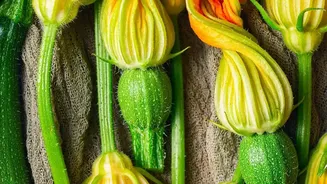
The biggest difference between these two vegetables lies in their texture. Zucchini has a high water content—around 95%—which makes it tender and quick to cook. However, this is also its biggest challenge; it can easily become soggy if overcooked. To avoid this, it's best to cook zucchini quickly over high heat or to draw out some of its moisture with salt before cooking. When handled correctly, it offers a soft, pleasing bite that melds well into dishes. Mushrooms, in contrast, provide a firm, almost meaty texture. They are fungi, not plants, and their cellular structure gives them a satisfying chewiness that holds up well during longer cooking times. To achieve that perfect golden-brown, crispy-edged mushroom, the secret is patience: cook them in a hot, uncrowded pan and avoid stirring too often, allowing them to release their water and then brown nicely.
Flavor: The Sponge vs. The Subtle Star
When it comes to flavor, mushrooms and zucchini play very different roles. Zucchini has a mild, slightly sweet flavor that doesn't overpower other ingredients. This makes it an excellent vehicle for absorbing the flavors of sauces, herbs, and spices it's cooked with. It works beautifully in everything from rich pasta sauces to light stir-fries, adding bulk and nutrition without dominating the dish. Mushrooms, however, are prized for the distinct flavor they bring to the table: umami. This deep, savory taste adds a satisfying richness and complexity. Mushrooms act like sponges, soaking up butter, garlic, herbs, and wine, which concentrates their already delicious flavor. This makes them a star ingredient capable of elevating simple dishes like pasta, risotto, or even just a piece of toast.
When to Choose Zucchini
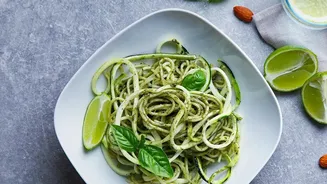
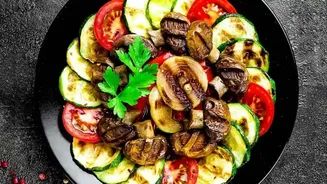
Reach for zucchini when you want to add moisture, bulk, and a tender texture to a dish without altering its primary flavor profile. It's the perfect choice for recipes where you want a vegetable to blend in seamlessly. Think of shredded zucchini in baked goods like bread or muffins, where it adds moisture without being noticeable. It's also ideal for quick sautés, light pasta dishes, and casseroles like lasagna or ratatouille. Because it cooks quickly, zucchini is a great option for weeknight meals. Sliced into ribbons, it can even serve as a low-carb noodle substitute.
When to Choose Mushrooms
Turn to mushrooms when you want to add a deep, savory, and meaty element to your cooking. Their robust flavor and firm texture make them an excellent substitute for meat in vegetarian dishes like burgers, stews, and rich pasta sauces. Mushrooms are the star of the show in recipes like mushroom soup, stroganoff, and creamy risottos. They pair wonderfully with rich ingredients like butter, cream, and cheese, and their earthy notes are enhanced by herbs like thyme and garlic. Whether roasted, sautéed, or grilled, mushrooms bring a gourmet feel to everyday cooking.