



Understanding Your Fine Hair
First, let's clarify what 'fine hair' means. It doesn’t refer to the amount of hair you have (density), but to the diameter of each individual strand. Fine hair is delicate and has a smaller circumference than coarse hair. This structure means it gets
coated by products—and your scalp's natural sebum—very quickly. The result? Hair that can look flat, greasy, and lose its volume just hours after washing. While oiling is meant to nourish, for fine hair, the wrong approach can overwhelm the delicate strands, making them look limp and lifeless instead of luscious and strong.
The Problem with Heavy Oils
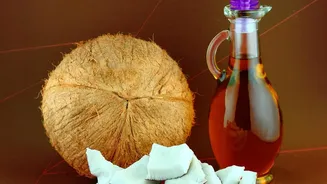
Many traditional and popular hair oils, such as castor oil and even coconut oil in some cases, are considered 'heavy'. This is due to their molecular structure, which is larger and less easily absorbed by the hair shaft. For fine hair, these oils tend to sit on the surface rather than penetrating effectively. This coating action weighs the hair down, instantly sacrificing volume at the roots. Furthermore, heavy oils can be difficult to wash out completely, leading to scalp buildup that can clog follicles and leave hair feeling perpetually greasy and dull.
The Case for Lightweight Oils
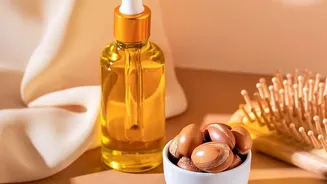
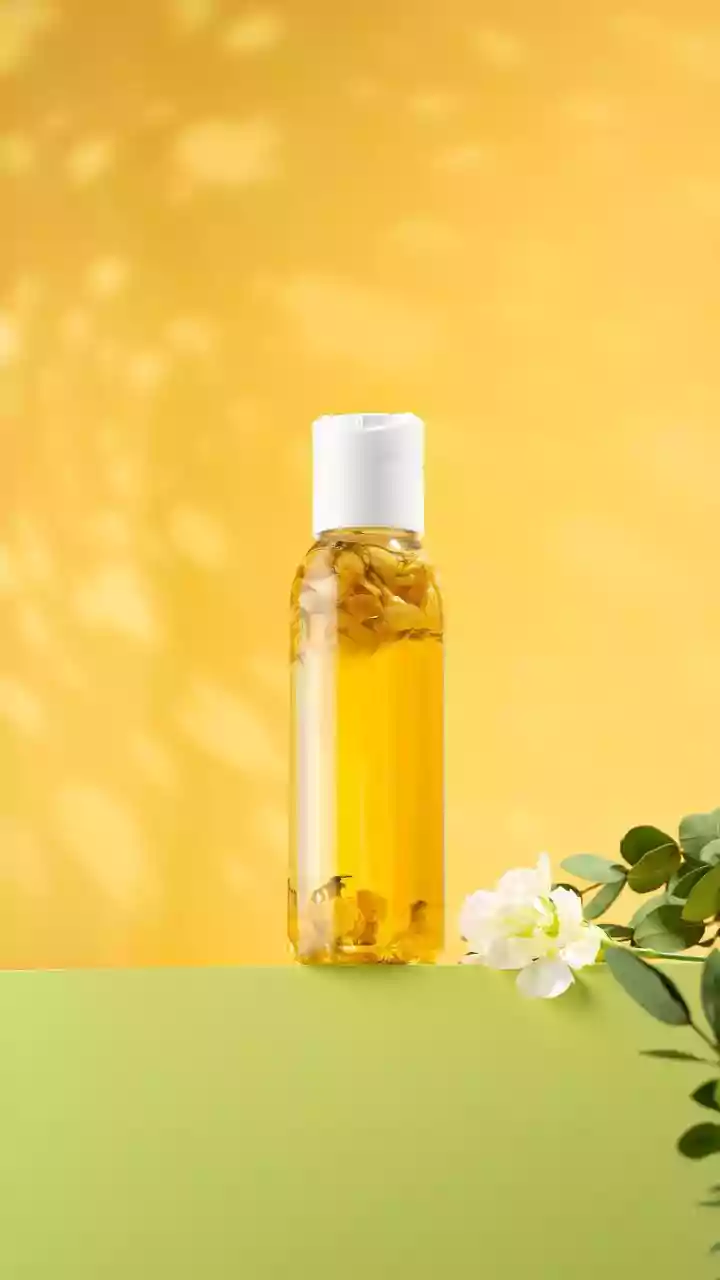
The solution isn't to abandon oiling, but to switch to lighter alternatives. Lightweight oils have a smaller molecular structure, allowing them to absorb more readily into the hair and scalp without leaving a heavy, greasy film. They deliver moisture and nutrients without the volume-killing side effects. Some of the best lightweight oils for fine hair include grapeseed oil, jojoba oil, and almond oil. Grapeseed oil, in particular, is celebrated for its exceptionally light, non-greasy texture and its ability to add shine and seal in moisture. Jojoba oil is another excellent choice because its structure is remarkably similar to the scalp's natural sebum, making it great for balancing oil production without causing buildup.
Rethinking Oiling Frequency
Just as important as the type of oil is how often you apply it. Daily or even frequent oiling can be too much for fine hair. Over-oiling can lead to a cycle of greasiness and harsh shampooing, which strips the hair and prompts the scalp to produce even more oil. For most people with fine hair, limiting oil treatments to once a week is a good starting point. Some experts even suggest once every 10 to 14 days is sufficient. The key is to listen to your hair. If it feels weighed down or gets greasy quickly after an oiling session, reduce the frequency. The goal is nourishment, not saturation.
Application Tips for Fine Hair
Technique is everything when it comes to oiling fine hair. Instead of drenching your entire head, focus the application. The most common mistake is using too much product. A small, pea-sized amount is often enough. Warm the oil between your palms and apply it primarily to the mid-lengths and ends of your hair, as this is the oldest and typically driest part of the strand. Avoid saturating your scalp unless you are specifically addressing dryness there, and even then, use a very light touch. Many find a pre-shampoo treatment works best: apply the oil for 30-60 minutes before you wash your hair. This allows the hair to receive the benefits without leaving any residue behind after a thorough wash.