






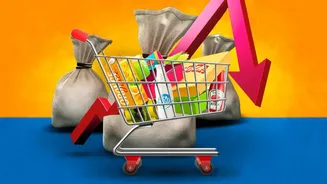
AI on the Farm: A Double-Edged Sword
The journey of your food begins on the farm, where AI is already making a significant impact. Precision agriculture, powered by AI, allows for more efficient farming. Think of smart tractors that use computer vision to distinguish between crops and weeds,
applying herbicide with pinpoint accuracy. Drones and sensors monitor crop health, predict yields, and optimize irrigation, using water and fertilizer only where needed. This efficiency can lead to higher yields and lower production costs, which could translate into savings at the supermarket. AI systems can analyze data to predict crop diseases before they become apparent, helping to prevent losses that would otherwise drive up prices. By making farming more productive and sustainable, AI offers a clear path toward more affordable food.
Smarter Supply Chains, Reduced Waste
Between the farm and the store, AI is revolutionizing logistics. Sophisticated algorithms analyze vast datasets—including weather, sales trends, and even social media buzz—to forecast demand with incredible accuracy. This allows grocery chains to optimize inventory, reducing the chances of both frustrating out-of-stock items and wasteful overstocking. In fact, AI-powered forecasting can cut store-level waste by a significant margin. Platforms like 'Too Good To Go' and 'OLIO' use AI to connect consumers with surplus food from restaurants and stores at a discount, directly fighting waste and offering cheaper options. This reduction in spoilage and improved efficiency throughout the supply chain means fewer losses for businesses, a saving that can be passed on to the consumer.
The Data Centre in Your Shopping Cart
Here's the twist: the same AI that creates efficiency is incredibly power-hungry. AI models are trained and run in massive data centres, which consume enormous amounts of electricity. A single AI-focused data centre can use as much power as 100,000 homes. This surge in electricity demand from the tech sector is straining local power grids and can lead to higher energy prices for everyone. Some estimates suggest that the growth in data centres could increase average US electricity generation costs by 8% by 2030. Since every step of the food supply chain—from farm equipment and processing plants to refrigerated trucks and the lights in the grocery store—runs on electricity, a rise in energy costs inevitably pushes up the price of food. Essentially, the cost of powering the AI revolution could show up on your grocery receipt.
AI at the Checkout: Discounts and Dynamic Pricing
When you're in the aisle, AI is working there, too. Many major retailers are rolling out electronic shelf labels, which allow prices to be updated remotely in seconds. This technology enables 'dynamic pricing', where AI algorithms adjust prices based on real-time factors like demand, inventory levels, and competitor pricing. This can be a win for shoppers, as AI can automatically discount items nearing their expiration date, reducing waste and offering bargains. However, critics raise concerns about the potential for 'surge pricing' during peak shopping hours or even 'personalized pricing', where your past shopping habits could be used to determine how much you're willing to pay. While a pricing model that benefits retailers by maximizing profit isn't new, AI gives them the power to implement it at a scale and speed never seen before.