




Known by many as the 'City of Joy', Kolkata also carries another evocative title: the 'London of India'. This nickname isn't just a casual comparison; it's rooted in a deep history that shaped the city's very streets, buildings, and identity.
The Empire's Second City
The most
significant reason for the comparison lies in Kolkata's past as the formidable capital of British India. From 1772 until the capital was shifted to Delhi in 1911, the city, then called Calcutta, was the administrative, commercial, and political epicentre of the British Raj. It was often referred to as the 'second city' of the British Empire, second only to London itself. This status meant that the British invested heavily in developing its infrastructure and institutions to mirror the standards of their own capital, establishing it as a powerhouse of governance, trade, and education in Asia.
An Architectural Echo of London
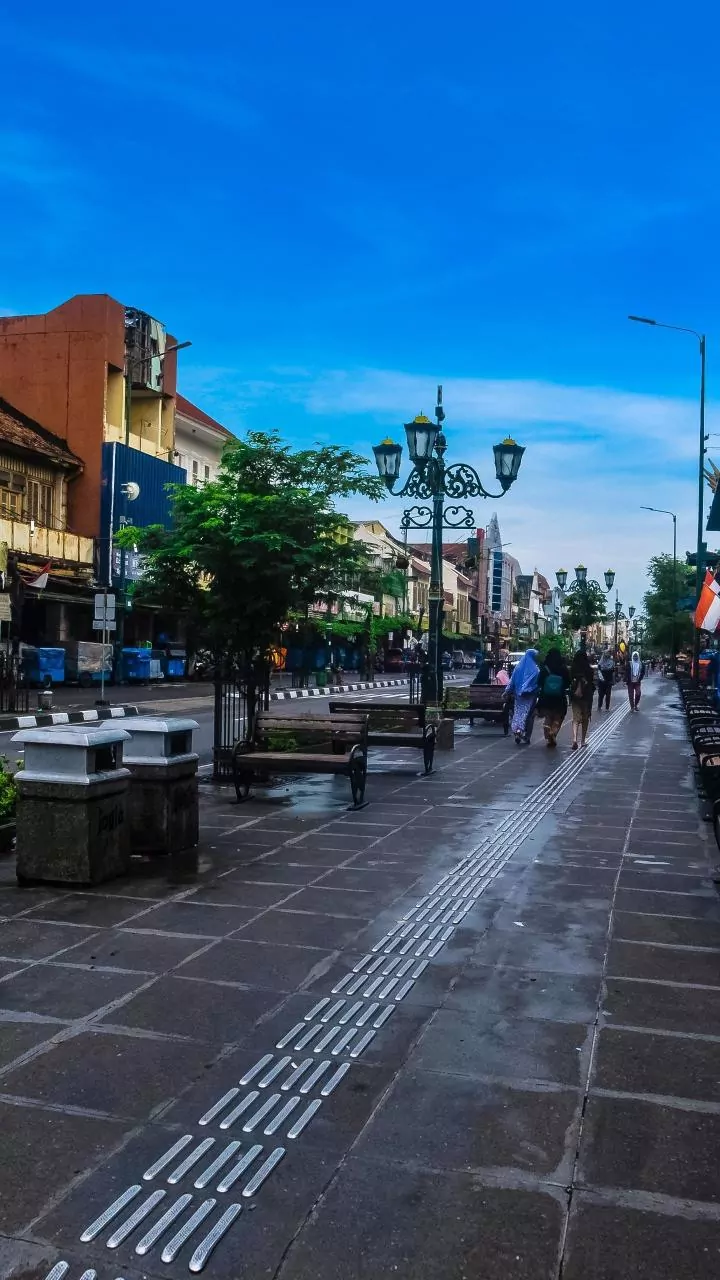
A walk through central Kolkata is a journey through a living museum of colonial architecture. The British sought to build a city that reflected their imperial power, resulting in a grand streetscape dominated by European architectural styles. Imposing structures designed in Neoclassical, Gothic Revival, and Victorian styles give parts of the city a distinctly European feel. The magnificent Victoria Memorial, a marble monument to Queen Victoria, blends British and Mughal styles. Other landmarks like the St. Paul's Cathedral, with its Indo-Gothic design, the Calcutta High Court, and the Writers' Building all contribute to an architectural profile that draws direct visual parallels to London.
A Tale of Two Rivers
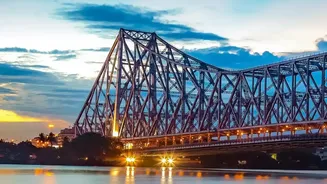
Just as London's identity and growth are intrinsically linked to the River Thames, Kolkata's development was shaped by its position on the banks of the Hooghly River. This strategic location provided access to the Bay of Bengal, turning the city into a bustling riverine port and a crucial hub for trade in goods like jute, tea, and textiles. The river was the artery through which the commercial lifeblood of the British East India Company flowed, connecting the capital to the rest of the empire and the world. The promenades and ghats along the Hooghly, set against a backdrop of colonial-era buildings, evoke a riverside landscape reminiscent of London's own.
A Hub of Culture and Intellect
Beyond the bricks and mortar, Kolkata's intellectual and cultural life during the colonial era also mirrored London's status as a global centre. The city became the cradle of the Bengal Renaissance, a powerful social and cultural movement that profoundly influenced all of India. It was a hub for literature, art, philosophy, and revolutionary thought. The establishment of institutions like the University of Calcutta in 1857, the first modern university in South Asia, and the Indian Museum, the country's oldest, cemented its reputation as a centre for learning and culture, much like London was for the Western world.
Is the Nickname Still Relevant Today?
While the 'London of India' moniker is rooted in its colonial past, it speaks to a heritage that is still visible today. The city is not a static relic; it is a vibrant, modern metropolis where its unique Bengali culture blends with the remnants of its British era charm. The iconic yellow Ambassador taxis and the historic tram system—the only one of its kind in India—add to an old world atmosphere that feels distinct from other Indian cities. The nickname, therefore, is less about a direct modern comparison and more of a recognition of any deep historical layers that make Kolkata an unforgettable city, where any past is always present.