






The Western Ghats' Earthy Bounty
In Western India, the monsoon signals the arrival of specific produce that defines its rainy-day cuisine. The most iconic is bhutta, or corn on the cob. While corn is available year-round, the desi variety harvested during the rains has a unique freshness.
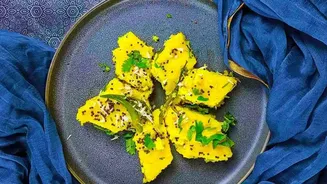
Roasted over hot coals and seasoned with lime, salt, and chilli powder, this simple snack is a monsoon ritual. Further down the coast, especially in Maharashtra and the Konkan region, colocasia leaves (arbi ke patte) come into their own. These large, heart-shaped leaves are used to make pathrode or patra, a dish where the leaves are layered with a spiced gram flour paste, rolled, steamed, and then often fried. This preparation is a testament to using what the land provides, turning a seasonal green into a beloved delicacy.
Northern Comforts: Fried, Sweet, and Hearty
North India greets the cool, damp weather with an array of pakoras. These fritters, made from everything from onions and potatoes to spinach, are coated in a spiced gram flour (besan) batter and deep-fried to a perfect crispness. They are more than just a snack; they are a social ritual, best enjoyed with a steaming cup of masala chai. The monsoon also brings specific vegetables to the forefront, like water chestnuts (singhara), which are used to make nutritious sabzis. In Rajasthan and surrounding states, the season is incomplete without ghevar. This intricate, honeycomb-like sweet made from flour and ghee is particularly popular during monsoon festivals like Teej. The high humidity of the season is said to be essential for achieving its unique, porous texture, making it a true monsoon specialty.
The Soulful Soups of the South
In the South, the monsoon kitchen turns to warming, digestive-friendly preparations. Rasam, a tangy and spicy soup, is a cornerstone of the region's rainy-season diet. Made with a base of tamarind, tomatoes, and a blend of spices like black pepper and cumin, it's both a comforting soup to sip on its own and a perfect accompaniment to rice. There are endless variations, including those made with garlic, ginger, or even seasonal fruits like pineapple for a sweet and sour twist. Another favourite, particularly in Kerala, is the parippu vada. These savoury fritters are made from a coarse batter of lentils like toor dal and chana dal, mixed with ginger and onions, offering a crunchy, protein-rich snack that pairs perfectly with the rainy weather.
Eastern India's Culinary Celebrations
For many in Eastern India, especially Bengal, the monsoon is synonymous with two things: khichuri and ilish maach (Hilsa fish). Khichuri, a comforting one-pot meal of rice and lentils, is the ultimate rainy-day food. It is often cooked with seasonal vegetables and mild spices, making it light on the stomach. This humble dish is frequently paired with something special: fried Hilsa. The monsoon is the peak season for this prized fish, which migrates upstream to spawn, making it abundant and particularly flavourful. The classic combination of soft khichuri and crispy, flavourful ilish bhaja is a cherished culinary tradition. In the Northeast, the rains bring a unique ingredient to the table: fresh bamboo shoots, which are used to create distinctive and flavourful curries.