
The Original Blueprint: A Community-First Vision
The original story of Kerala's sustainable tourism began with the launch of its Responsible Tourism (RT) Mission in 2007. The philosophy was revolutionary for its time: to make tourism a tool for local development. The core principles focused on what
is often called the 'triple bottom line'—economic benefits for the host community, social and cultural respect, and environmental responsibility. The goal was to move away from mass tourism that often saw revenue leak out of local economies. Instead, the RT Mission aimed to connect hotels and resorts with local farmers, artisans, and performers, ensuring that the financial benefits of tourism stayed within the villages. It was about empowering local communities, especially women, to become active participants and stakeholders in the tourism story, not just passive bystanders.
A Model Tested: Floods, Climate Change, and a Pandemic
The robustness of this model has been severely tested. The devastating floods of 2018, the worst in a century, caused immense destruction to infrastructure and livelihoods, directly impacting the tourism sector. This was followed by the global COVID-19 pandemic, which brought travel to a standstill. These crises exposed vulnerabilities, particularly the reliance on seasonal tourism flows. However, they also highlighted the resilience of a community-focused approach. The post-pandemic recovery saw a surge in domestic tourism, with many locals exploring their own state for the first time. The government introduced support schemes to help the sector revive, and by the first half of 2024, domestic tourist arrivals saw a significant increase. Simultaneously, the growing threat of climate change, including coastal erosion and unpredictable monsoons, has forced the state to integrate climate-resilient strategies into its tourism planning.
Beyond the Backwaters: The Evolution to Experiential Hubs
One of the most significant changes has been a strategic move to diversify beyond the iconic backwaters and beaches. To combat overcrowding in popular spots like Alleppey and Munnar, Kerala has launched innovative projects to spread tourism's benefits to its interiors. A key initiative is the STREET project (Sustainable, Tangible, Responsible, Experiential, Ethnic, Tourism hubs). Launched across several districts, this award-winning project develops theme-based streets like 'Water Streets', 'Agri-tourism Streets', and 'Art Streets'. The idea is to create unique, immersive experiences that showcase the specific cultural or geographical character of a village. This not only offers travellers more authentic interactions but also helps decongest popular centres and brings income to lesser-known rural areas, embodying the UN's motto of 'Tourism for Inclusive Growth.'
New Challenges: The Risks of Overtourism and 'Greenwashing'
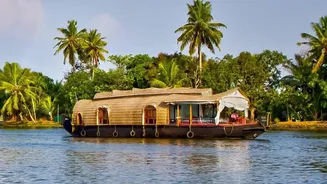
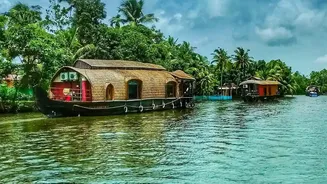
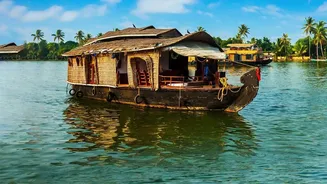
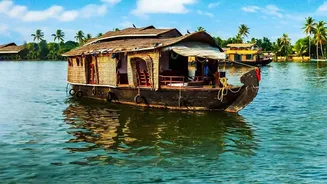
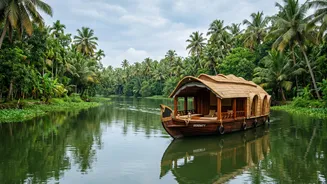
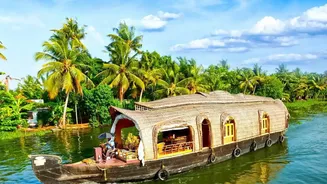
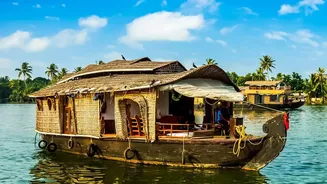
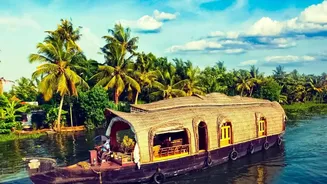
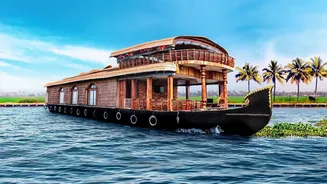
Despite its successes, the model is not without its challenges. The very popularity of Kerala's tourism has led to problems of overdevelopment and pollution in some areas. The explosion in the number of houseboats in the backwaters, for instance, has raised concerns about untreated waste polluting Vembanad Lake and threatening the fragile ecosystem. There is also the persistent challenge of 'greenwashing,' where sustainability is used as a marketing buzzword without genuine practice. As demand grows, ensuring that cultural experiences remain authentic and do not become overly commercialized is a constant struggle. Moreover, infrastructural limitations in some rural areas, like waste management and transport, remain a hurdle to expanding the sustainable model effectively.
The Way Forward: Safety, Technology, and Deeper Responsibility
Looking ahead, Kerala is adapting its approach once more. There is a growing focus on safety and visitor experience, particularly for the rising number of solo female travellers. A new 'Green Marshals' initiative, set to launch in October 2026, will deploy trained personnel at tourist sites to assist visitors, ensure destination upkeep, and monitor safety. The government is also investing heavily in infrastructure, such as the completion of National Highway 66 and the Hilly Highway, to improve connectivity to northern Kerala and unlock its tourism potential. The ongoing evolution is towards a more holistic model—one that uses technology for better management, prioritizes climate action, and continues to place the local community and environment at the very heart of its identity.