





A Pillar of Traditional Wellness
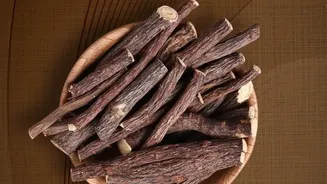
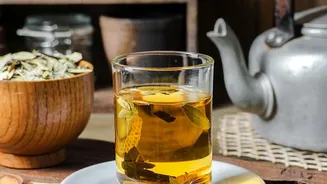
For centuries, mulethi has been a go-to herb in Ayurvedic and other traditional medicine systems. Known scientifically as Glycyrrhiza glabra, its root is used in various forms — as a powder, stick, or extract — and is often found in herbal teas and 'kadhas'.
Its popularity stems from its wide range of therapeutic properties, including being an anti-inflammatory, antioxidant, and immune-booster. From aiding digestion to promoting skin health, mulethi has earned its reputation as a versatile and potent herb. Its characteristic sweetness also makes it a popular flavouring agent.
The Soothing and Healing Benefits
Mulethi is most famous for its respiratory benefits. It acts as a bronchodilator, making it a common remedy for coughs, colds, and sore throats. Beyond the throat, it is highly regarded for its positive effects on the digestive system. Its anti-inflammatory properties can soothe the stomach lining, potentially helping with issues like acidity, gastritis, and indigestion. Some studies and traditional uses also point to its ability to boost immunity by helping the body produce defensive cells like lymphocytes and macrophages. Additionally, it's used in skincare for its potential to calm irritation and even out skin tone.
The Active Compound: Glycyrrhizin
The secret to mulethi's sweetness and much of its medicinal power lies in a compound called glycyrrhizin. This substance is about 50 times sweeter than sugar and is responsible for many of the plant's therapeutic effects. However, glycyrrhizin is also the source of mulethi’s most significant health risk. When consumed, it is converted in the body to glycyrrhetinic acid, which is what triggers a cascade of physiological effects. This dual nature of glycyrrhizin — being both beneficial and potentially harmful — is why understanding how it works is crucial for safe consumption.
The Blood Pressure Connection
The primary concern with mulethi consumption is its link to high blood pressure, or hypertension. The mechanism is well-documented: glycyrrhetinic acid inhibits an enzyme in the kidneys called 11-beta-hydroxysteroid dehydrogenase type 2. This enzyme's job is to deactivate the stress hormone cortisol. When the enzyme is blocked, cortisol levels in the kidneys rise, allowing it to act like another hormone, aldosterone. This leads to the kidneys retaining sodium and water while excreting potassium. The result is an increase in blood volume, fluid retention (edema), a drop in potassium levels (hypokalemia), and a subsequent rise in blood pressure. This state is sometimes referred to as 'pseudohyperaldosteronism'.
Who is Most at Risk?
While excessive consumption can affect anyone, certain individuals are more vulnerable to the side effects of mulethi. People with pre-existing high blood pressure, heart conditions, or kidney disease should be especially cautious. The blood pressure-raising effects of mulethi can make these conditions difficult to manage, even for those on medication. Symptoms of excessive intake can include headaches, fatigue, muscle weakness, and heart palpitations. Due to its hormonal effects, pregnant women are also advised to avoid it. Long-term, consistent use, even in seemingly moderate amounts, can cause these effects to build up in the system.
Safe Consumption and Alternatives
For most healthy adults, occasional and moderate use of mulethi is unlikely to cause problems. Guidelines suggest that consuming up to 1-5 grams of the dried root per day is generally considered safe for short periods. However, the glycyrrhizin content in products is often not labelled, making it hard to track intake. For those who want the digestive and soothing benefits without the blood pressure risk, there is an alternative: deglycyrrhizinated licorice, or DGL. This form has had most of the glycyrrhizin removed, preserving the beneficial flavonoids that help soothe the gut lining without impacting blood pressure.