






A Historic Low for Cotton
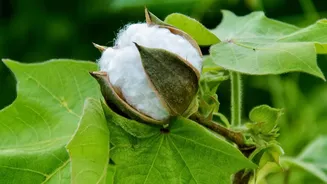
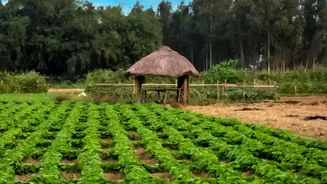
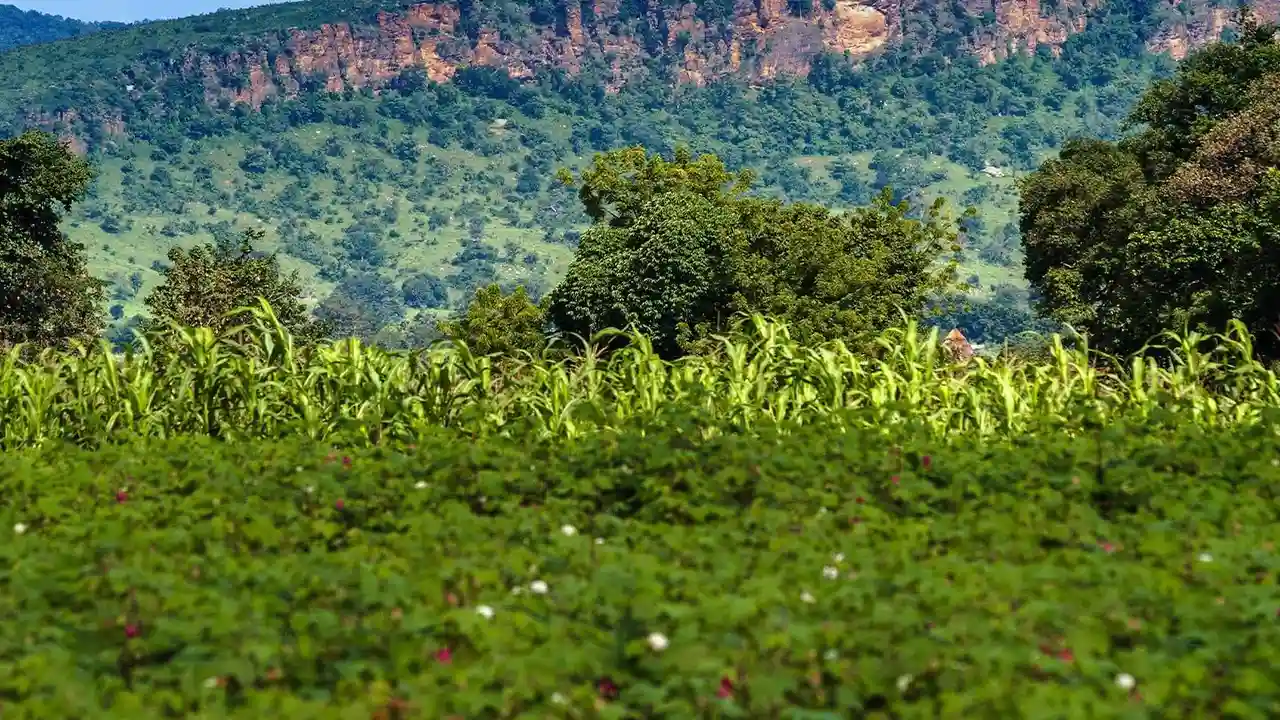
The shift away from cotton in Punjab has been dramatic. For the 2026-27 Kharif season, cotton sowing has plummeted to a record low. Against a government target of 1.25 lakh hectares, only around 70,000 to 80,000 hectares were brought under cotton cultivation.
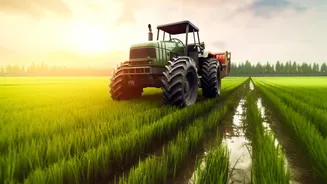
This is a stark decline from the previous year's 1.19 lakh hectares and a far cry from the 7-8 lakh hectares the crop once occupied in the state. The area vacated by cotton, particularly in the traditional cotton-growing Malwa belt, is largely being converted to paddy fields. This trend directly opposes the state's long-standing goal of crop diversification to save its dwindling water resources.
The High-Stakes Gamble on 'White Gold'
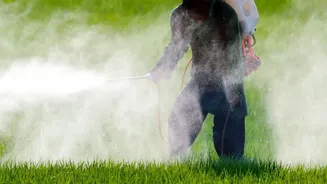
For farmers, planting cotton has become a risky gamble. For five consecutive years, growers have faced poor returns due to a combination of pest attacks and unpredictable weather. The pink bollworm has been a particularly destructive pest, ravaging crops and developing resistance to Bt cotton, which was initially designed to combat it. Repeated infestations of whitefly have also contributed to crop failures. Beyond pests, the economics are challenging. Rising pesticide and cultivation costs, coupled with volatile market prices that often fall below the Minimum Support Price (MSP), have eroded farmer confidence. Unseasonal rains during the harvest period in 2025 also inflicted severe crop damage, impacting both yield and income. These repeated financial losses have made many farmers reluctant to risk another season with cotton.
Paddy's Unmatched Safety Net
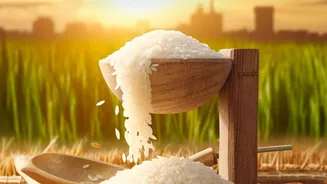
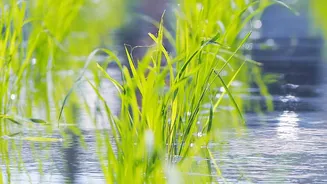
In contrast to cotton's volatility, paddy offers a level of financial security that is hard to ignore. The primary reason is the robust system of assured procurement at a government-fixed MSP. Unlike cotton, where farmers often struggle to get the MSP and may have to sell to private traders at lower rates, government agencies ensure paddy is purchased at the announced price. This system provides a predictable and stable income, effectively removing market and price risks for the farmer. Additionally, benefits like free electricity for irrigation and a well-established mandi network further solidify paddy's position as the least risky option for the Kharif season. For a farmer making a decision based on economic survival, this safety net is paramount.
The Environmental Cost of a Safe Bet
While the shift to paddy is a rational economic choice for individual farmers, it carries a heavy environmental price for the state. Paddy is a notoriously water-intensive crop, and its widespread cultivation is the primary driver of Punjab's alarming groundwater depletion. Studies show groundwater levels in central Punjab are dropping by more than a meter per year, and experts warn the state could run out of usable groundwater by 2039 if current trends continue. The state is already the country's highest extractor of groundwater, with nearly all of it used for irrigation, mainly for paddy. Furthermore, the paddy-wheat cycle contributes to other environmental issues, including the emission of greenhouse gases like methane from waterlogged fields and the notorious problem of stubble burning, which causes severe air pollution in late autumn.
The Diversification Dilemma
This trend highlights a central paradox in Indian agricultural policy. For years, experts and government bodies have urged Punjab's farmers to diversify away from the unsustainable paddy-wheat monoculture. However, the powerful incentive of an assured MSP for paddy consistently undermines these efforts. Alternative crops like maize, pulses, and even cotton lack the same level of procurement support and market stability. While the government may offer subsidies for alternative seeds, these measures are too small to compete with the economic might of the paddy procurement system. As long as paddy remains the only crop with a guaranteed buyer and a fixed price, farmers will continue to choose it, prioritising their immediate financial security over long-term ecological sustainability.