




A New Ride on an Ancient River
On November 10, 2026, Delhi officially launched its first recreational cruise service on the Yamuna River. The project, spearheaded by the Inland Waterways Authority of India (IWAI), aims to unlock the river's potential for tourism and recreation. The service,
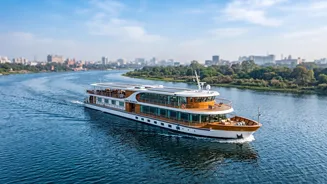
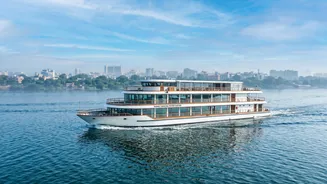
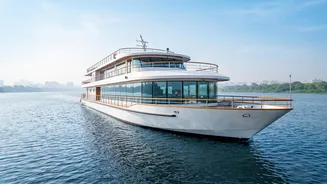
named the Namo Yamuna River Safari, was inaugurated at Sonia Vihar in North Delhi. It features an electric-powered vessel, a conscious choice to promote cleaner transport on the waterway. The initiative is a collaboration between several government bodies, including the Delhi Development Authority (DDA) and Delhi Tourism, reflecting a coordinated push to reconnect residents with the river. This cruise operates on a stretch of the Yamuna that has been designated as National Waterway-110, signalling a formal effort to integrate the river into the nation's transport and tourism infrastructure.
What a ₹500 Ticket Gets You
For a ticket price of ₹500 per person, passengers get a round-trip journey that lasts between 35 and 45 minutes. The cruise follows an approximately six-kilometre route between Sonia Vihar and Jagatpur, located upstream of the Wazirabad barrage where the water quality is comparatively better. The current vessel is a 30-seater, battery-powered boat designed for a quiet, emission-free experience. Onboard, passengers can expect basic amenities like music. However, the project's vision extends beyond the boat ride itself. The area around the Sonia Vihar jetty is being developed into a larger recreational hub. Planned attractions include a musical fountain with a light-and-sound show depicting the mythology of the Yamuna, a food court, shopping areas, and a children's play zone. There is also a separate entry fee of ₹50 for those who wish to visit the premises without taking the cruise.
The Meaning of the Price Tag
The ₹500 price point positions the cruise as a premium recreational activity rather than a mass-market commute, distinguishing it from earlier 'water taxi' concepts. This pricing strategy likely serves a few key roles. First, it aims to make the operation financially self-sustaining, covering the costs of the electric vessel, staff, and maintenance. Second, it helps manage expectations and crowds, framing the safari as a special experience rather than an everyday event. By setting a specific price, operators are targeting families and tourists looking for a novel way to experience Delhi, similar to attractions in other cities. The ticket contributes to the upkeep of not just the boat but the entire surrounding riverfront complex, including the planned musical fountains and recreational areas. This makes the ticket less about a simple boat ride and more a contribution to a larger, curated tourism experience that the authorities hope will become a signature Delhi attraction.
A Symbol of a Larger Cleanup Effort
This cruise is more than just a new tourist attraction; it's being presented as a tangible result of long-term efforts to rejuvenate the Yamuna. For years, the river has been infamous for the heavy pollution it endures through its 22-km Delhi stretch. The cruise intentionally operates on the cleaner, upstream segment from Sonia Vihar. This launch coincides with broader government initiatives to clean the river, upgrade sewage treatment plants, and develop the riverfront based on models like the Sabarmati Riverfront in Gujarat. The Delhi Development Authority (DDA) has been actively restoring floodplains, reviving wetlands, and removing waste, leading to ecological improvements such as an increase in bird species at restoration sites. The cruise, therefore, acts as a powerful symbol. It's an incentive for authorities to continue the cleanup and a way for the public to engage with the river, fostering a sense of ownership and a desire to see it clean.
Challenges and the Path Ahead
While the launch is a positive step, the project faces undeniable challenges. The long-term success of the Namo Yamuna River Safari is intrinsically linked to the health of the river itself. Maintaining water quality and depth, especially outside the monsoon season, will be critical. The service is already scheduled to be closed annually from July to September due to monsoon conditions. Furthermore, some environmentalists have raised concerns about riverfront development projects, arguing that ecological restoration should be prioritised over construction to protect against flood risks. For the cruise to become a sustainable and beloved fixture, authorities must continue to make visible progress on cleaning the entire stretch of the river. The hope is that this small, scenic ride can serve as a catalyst for the much larger and more difficult task of bringing the Yamuna back to life for all of Delhi.