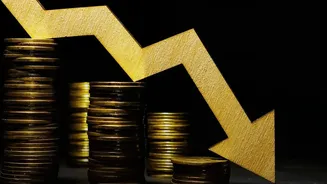








Understanding the 'Price Correction'
First, let's demystify the term 'price correction'. It's not a crash, but a market adjustment. After a period of rapid increase, prices often pull back as investors book profits and speculative positions unwind. Gold has seen a significant rally, so a consolidation
period is natural. In early November 2026, prices saw a decline ahead of the festival before rebounding slightly. Analysts note that after last year's exceptional run, this volatility is expected. This correction is amplified by profit-booking and investors selling gold to cover losses in other assets. So, the current volatility is less a sign of weakness and more a feature of a healthy, functioning market finding its balance.
Global Factors Driving November's Volatility
The price of gold in India is tied to global trends, the USD-INR exchange rate, and import duties. Several international factors are causing ripples. A key driver is the outlook on US interest rates; the possibility of a rate hike makes non-yielding assets like gold less attractive to some investors. Geopolitical events, such as the conflict involving Iran, also create uncertainty. While such instability can sometimes boost 'safe-haven' demand for gold, it also impacts oil prices and inflation, complicating monetary policy and creating a challenging environment for bullion. Furthermore, a recent rebound has been linked to a weaker US dollar and political uncertainty following the US midterm elections.
What the Analysts Are Saying
Expert opinions are cautiously optimistic, though they uniformly advise being prepared for short-term volatility. Some analysts suggest a 'buy-on-dips' strategy heading into the festive week, seeing the recent rebound from lows as a sign of returning buyer interest. Price targets for the end of December 2026 range from ₹1,50,000 to ₹1,58,000 per 10 grams, suggesting potential upside from current levels around ₹1,45,000. However, the World Bank projects a slight decline in average global gold prices for 2027 after a strong 2026, anticipating that the explosive gains seen earlier in the year will not be repeated. Long-term forecasts remain positive, with some analysts projecting prices to reach ₹2 lakh in the next five years, though this would require significant market shifts.
Dhanteras Demand Meets Market Reality
The festive season is historically the strongest period for gold buying in India, driven by cultural sentiment, weddings, and gifting. This seasonal demand from households means jewellers and dealers stock up in advance, which can influence local prices and premiums. However, this year's high volatility has left many consumers in a 'wait-and-watch' mode, delaying discretionary purchases. According to the World Gold Council, the exchange of old gold for new jewellery has boosted local supply, helping to manage prices. While strong seasonal demand provides a floor for prices, it is competing with global economic headwinds, creating the tug-of-war buyers are currently experiencing.
A Strategy For the Festive Buyer
Given the volatility, a measured approach is wise. Experts advise against investing a lump sum right after a major price swing. Instead, consider spreading out purchases. For those buying physical gold, always insist on BIS hallmarking and a proper bill. While jewellery is the traditional choice, gold bars, coins, or even Gold ETFs can be more suitable from a pure investment perspective as they don't include making charges that can erode returns. If current prices feel too high, silver is a traditional and more affordable alternative. The most important thing is to align your purchase with your budget and longterm financial goals rather than getting caught up in shortterm market noise.