




An Ambitious Agenda in New Delhi
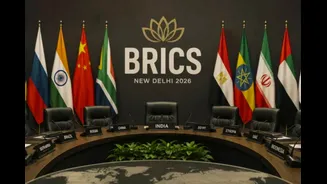
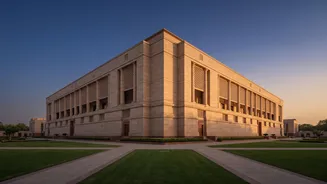
India is hosting the 18th BRICS Summit in New Delhi on September 12-13, 2026, under the theme “Building for Resilience, Innovation, Cooperation and Sustainability”. The summit brings together the now 11-member group, which includes Brazil, Russia, India,
China, South Africa, and newer members Egypt, Ethiopia, Iran, Saudi Arabia, the UAE, and Indonesia. This gathering aims to move beyond political coordination and toward tangible, practical cooperation in key economic areas. The focus is on creating frameworks that can help member countries navigate global uncertainties, from geopolitical tensions to supply chain disruptions and climate risks.
Boosting Intra-BRICS Trade
A primary goal of the 2026 summit is to deepen trade ties within the bloc. While intra-BRICS trade has grown, there's a concerted effort to unlock its full potential. Discussions are centered on addressing protectionist tariffs and non-tariff barriers that hinder commerce. Another significant aspect is the continued push for using national currencies in trade settlements, a move aimed at reducing dependence on the US dollar and strengthening the financial autonomy of member nations. By advancing its "Strategy for BRICS Economic Partnership 2030," the group is working to better integrate its markets, with a particular focus on supporting small and medium-sized enterprises (MSMEs) to participate in global trade.
Forging Resilient Supply Chains
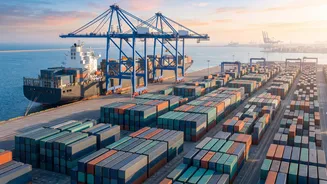
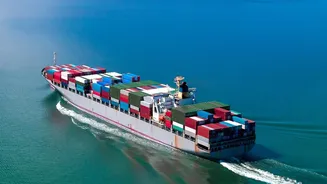
Recent global shocks, including pandemics and geopolitical conflicts, have exposed the vulnerabilities of existing supply chains. In response, the BRICS summit is expected to adopt a Logistics and Supply Chain Cooperation Framework. This plan aims to build more diversified, sustainable, and resilient supply networks among members. The framework is voluntary and focuses on improving transport logistics, sharing data, and promoting local manufacturing to better withstand future disruptions. The goal is to create alternative economic corridors that are less susceptible to the chokepoints that have recently plagued global trade.
The Technology and Innovation Frontier
Technology cooperation is a cornerstone of the 2026 agenda, with a strong emphasis on the digital economy, artificial intelligence (AI), and innovation. The members are looking to collaborate on AI governance, share knowledge on digital public infrastructure, and foster joint research and development. For India, leveraging its success with systems like the Unified Payments Interface (UPI) to create interoperable digital payment frameworks across the bloc is a key priority. This push for technological sovereignty is about developing independent capabilities while still benefiting from the diverse expertise within the group, from China's manufacturing base to India's software prowess.
Challenges and the Path Forward
Despite the ambitious goals, the BRICS bloc faces internal and external challenges. The diverse national interests and economic structures of its 11 members can make consensus difficult to achieve. Geopolitical tensions and the strategic competition between major powers create a complex backdrop for cooperation. However, the group’s flexible model, which does not require full agreement on all issues, allows it to move forward on core economic agendas. By focusing on practical outcomes in trade, finance, and technology, BRICS aims to enhance its collective influence and provide a stronger voice for the Global South in shaping the international order.