



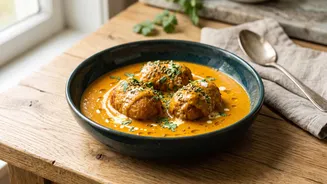
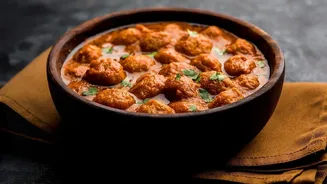
The Anatomy of a Perfect Kofta
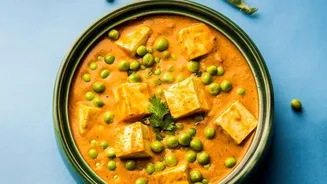
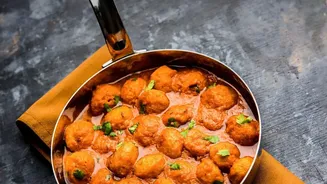
A malai kofta is a delicate balancing act. At its heart, it's a dumpling typically made from paneer and potato. The paneer provides a rich, milky softness, while the potato acts as the primary binding agent. Its starch is what gives the kofta structure,
holding everything together to create a cohesive ball that can withstand frying. When the ratio is right, the result is a dumpling that’s light, airy, and structurally sound. But when one key ingredient—the potato—brings too much moisture to the party, the entire structure is compromised.
The Science of a Soggy Mistake
The single biggest culprit behind koftas that break is excess moisture, and a waterlogged potato is public enemy number one. When you boil potatoes, they absorb water. If they are overcooked, mushy, or not allowed to cool and dry properly, that water remains trapped in the potato starch. When you mix these wet, mashed potatoes with paneer, you create a sticky, slack dough. To compensate, you might be tempted to add more and more binding flour, like cornflour or besan. While this might make the dough feel firmer, it comes at a cost. Too much flour results in koftas that are dense, heavy, and rubbery—a far cry from the melt-in-your-mouth ideal.
What Happens in the Hot Oil
A wet kofta mixture faces three potential fates during frying, none of them good. First, the excess water turns to steam and expands rapidly, creating fissures that cause the kofta to crack and disintegrate in the hot oil. Second, if the oil temperature isn't perfectly high, the wet kofta will absorb grease instead of cooking, leading to a heavy, oily ball. Finally, even if it holds together, the internal texture will be pasty and dense rather than light and fluffy. The dream of a perfect kofta vanishes into a cloud of steam and a pan of broken bits.
Choosing and Cooking Potatoes Wisely
The first step to success is choosing the right potato. Opt for older, starchy potatoes which have a lower moisture content. New potatoes are generally waxier and hold more water, making them a poor choice for koftas. When it comes to cooking, you have better options than just boiling. Baking or microwaving potatoes in their skins are superior methods as they cook the potato without introducing extra water. If you must boil them, do so with the skins on, which helps prevent them from becoming waterlogged. Cook them only until a fork can just pierce them; they should not be mushy.
The Crucial Step: Cooling Completely
This might be the most important and most overlooked tip: your cooked potatoes must be cooled completely before you grate or mash them. Letting them cool, or even chilling them in the fridge, does two things. First, it allows a significant amount of moisture to evaporate from the surface. Second, as the potato cools, its starches retrograde, or firm up, which contributes to a better structure. Never try to make kofta dough with warm potatoes; the steam and moisture they release will guarantee a sticky mess. Once cooled, grate the potatoes rather than mashing them to keep the texture light and avoid a gummy consistency.
Final Tips for Flawless Koftas
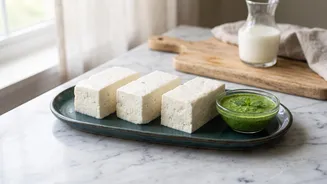
While dry potatoes are the foundation, a few other details ensure success. Make sure your paneer is also dry by patting it with a paper towel or gently squeezing out any excess whey. When forming the koftas, roll them firmly between your palms to create a compact, seamless ball, as any cracks can be weak points. Finally, always test-fry one kofta before frying a whole batch. If it breaks, your mixture likely needs a little more binder (cornflour is a great choice), or the mixture needs to be chilled for about 20-30 minutes to firm up.