



The Allure of the Group Gathering
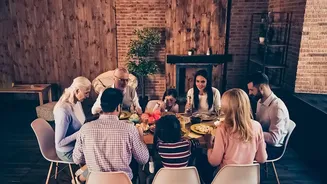
There is an undeniable magic to group family time. Whether it's a festive meal, a loud and chaotic board game night, or a trip to a local park, these shared activities build a collective identity. They are the moments that become a family’s lore, creating
a tapestry of “remember when” stories that are passed down and retold. Group gatherings reinforce a sense of belonging and unity. They are where children learn how to navigate social dynamics, cooperate, and see how adults interact with one another. Especially in a collectivist culture like India's, where joint families and community are central, these large get-togethers affirm shared values and strengthen the familial ecosystem. They create a broad, foundational sense of security and connection for everyone involved.
The Unique Power of One-to-One Time
While group activities build a collective spirit, one-on-one time builds individual intimacy. When a parent, grandparent, or sibling gives their undivided attention to another family member, it sends a powerful message: “You are important to me. I see you for who you are.” This focused time allows for conversations that might not happen in a group setting. A quiet child might open up about their fears, or a teenager might share a dream they're hesitant to announce to everyone. Experts note that this individual attention is crucial for boosting self-esteem and fostering a secure attachment. It’s in these moments that we can truly listen without distraction, understand each other's unique perspectives, and provide tailored support. This kind of connection can significantly reduce attention-seeking behaviours in children, as their need to feel seen and valued is met in a positive way.
Different Bonds for Different Relationships
Think of it this way: the bond you have with your family as a whole is different from the bond you have with each person in it. A father might bond with his young daughter by building a blanket fort, a different kind of connection than the one he builds playing cricket with his teenage son. Likewise, siblings may connect as a group by teasing each other over dinner, but they build a different, more confidential bond by sharing secrets late at night. One-on-one time allows relationships to be tailored. It respects individuality and acknowledges that our needs change. It’s an opportunity to connect over a shared, specific interest—be it a love for a certain type of music, a hobby, or just a quiet walk. These individual threads of connection are what ultimately make the entire family fabric stronger.
Finding a Healthy and Practical Balance
Balancing both types of bonding doesn't require a complicated schedule. It's about being intentional. It means recognising the value in both the big Sunday lunch and the quiet 10-minute chat with your child before bed. You can plan for one-on-one time by scheduling it, like a monthly 'date' with each child, or by simply seizing small opportunities as they arise. This could be a drive to the market, a shared task like folding laundry, or a quick cup of tea after others have gone to bed. The goal isn't to choose one over the other, but to create a rhythm where both group harmony and individual connection can flourish. By embracing both, you give your family two essential gifts: the comfort of belonging to a tribe and the security of being uniquely known and loved within it.