




A Once-in-a-Generation Spectacle
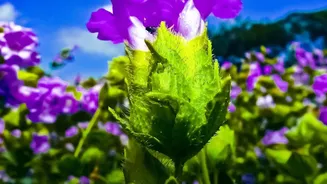
The Neelakurinji, or Strobilanthes kunthiana, is a shrub endemic to the shola grasslands of the Western Ghats, found at high altitudes. Its claim to fame is its highly unusual and synchronized blooming cycle. For 11 long years, the plant grows, seen but
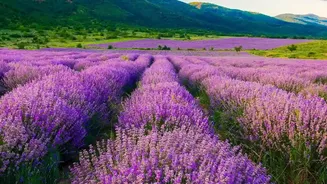
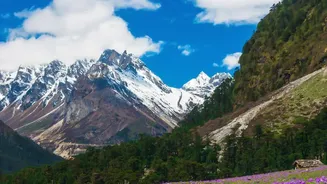
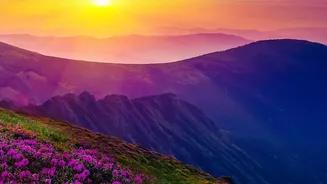
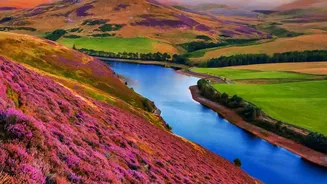
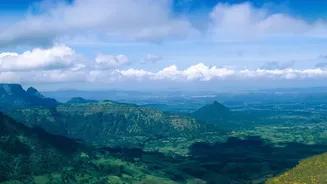
unremarkable. Then, in the 12th year, typically between August and October, entire hillsides erupt in a sea of vibrant blossoms. This mass flowering transforms landscapes like those in Munnar, Kerala, into a visual masterpiece that seems almost otherworldly. The phenomenon is so significant that the Nilgiri Hills, meaning 'Blue Mountains', are believed to have earned their name from the carpet of blue these flowers create. After its glorious, months-long display, the plant dies, releasing its seeds to begin the long wait for the next cycle. The last major bloom was in 2018, with the next one eagerly anticipated around 2030.
More Than Just a Pretty Flower
Beyond its stunning beauty, the Neelakurinji is a vital part of its ecosystem and local culture. The flower is an indicator species, meaning its health and blooming cycle reflect the overall health of the fragile shola habitat. For local tribal communities like the Paliyan people of Tamil Nadu, the bloom has traditionally been used to calculate their age. Ecologically, the mass flowering provides a sudden abundance of nectar, supporting a host of pollinators like bees and butterflies, which are essential for the entire ecosystem. This event also leads to the production of a rare and highly prized 'Kurinji honey', which is collected by honeybees only during this period and is known for its unique properties. The plant's dense root system also helps prevent soil erosion on the steep slopes, playing a quiet but crucial role in maintaining the landscape.
A Fragile Treasure Under Threat
Unfortunately, this natural wonder faces significant threats. The very grasslands where Neelakurinji thrives are under pressure from habitat loss due to the expansion of plantations, infrastructure development, and urbanization. The surge in tourism during a bloom, while economically beneficial, can also cause damage. Visitors trampling the delicate shrubs, littering, and attempting to pluck the flowers as souvenirs have become serious concerns. In recognition of its precarious situation, Neelakurinji is now listed as a 'Vulnerable' species on the IUCN Red List. This classification underscores the urgent need for robust conservation efforts to protect both the plant and its unique habitat for future generations.
The High Cost of a Souvenir
To combat these threats, authorities have enacted strict rules. Taking a Neelakurinji flower is not just discouraged; it is illegal. In a significant move to protect the species, the Ministry of Environment, Forest and Climate Change has listed Neelakurinji under Schedule III of the Wildlife (Protection) Act, 1972. Under this law, anyone who uproots, destroys, or is found in possession of the plant can face severe penalties. This includes a hefty fine of ₹25,000 and imprisonment for up to three years. The cultivation and possession of Neelakurinji are also prohibited. Forest officials warn that these rules will be strictly enforced, especially during blooming seasons, to deter tourists from causing harm.
How to Be a Responsible Visitor
Witnessing the Neelakurinji bloom is a privilege, and enjoying it responsibly ensures its survival. Authorities urge visitors to follow simple but vital guidelines. Always stay on designated paths to avoid trampling the plants. Do not, under any circumstances, pluck the flowers or damage the shrubs. Remember, these plants will not grow at lower altitudes, so any attempt to cultivate them at home is futile. Furthermore, the areas are often plastic-free zones, so visitors should carry their litter back with them. Booking travel and accommodation well in advance is also recommended, as authorities may restrict vehicle access to the most sensitive areas to manage the tourist rush, often providing shuttle services instead. By respecting these rules, you contribute directly to the conservation of one of India's most spectacular natural treasures.