




The World’s Most Critical Chokepoint
The Strait of Hormuz is more than just a strip of water; it's the artery through which about a fifth of the world's oil supplies travel. Its narrow passage, separating Iran from the Arabian Peninsula, makes it a natural chokepoint and a center of geopolitical
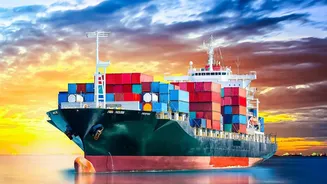
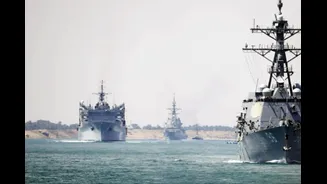
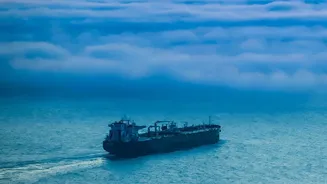
gravity. For decades, tensions have flared here, primarily involving Iran and the United States and its regional allies. The presence of military vessels, the risk of miscalculation, and the periodic seizure of commercial tankers have kept the region on a knife-edge. The closure of the strait, which Iran has threatened and, in some cases, effectively implemented, can send shockwaves through global energy markets and supply chains, impacting everything from petrol prices to the availability of liquefied natural gas.
What Would a Hormuz Arrangement Look Like?
Recent discussions, often involving mediators like Oman and Qatar, have centered on creating a mechanism to ensure the safe passage of commercial ships. While details are often fluid and subject to intense, often contradictory, diplomatic chatter, the core idea is to establish rules of engagement or new shipping routes to prevent accidental clashes. For instance, Iran has discussed with Oman a new route that respects its sovereignty while allowing transit. This could be part of a broader, temporary ceasefire that allows for the waterway to reopen under specific conditions, buying time for more substantive negotiations. However, the very existence of these talks is a point of contention, with US and Iranian officials frequently offering conflicting accounts.
The Promise: A Step Back from the Brink
A formal arrangement for Hormuz would be a significant de-escalatory step. For Gulf states like Saudi Arabia and the UAE, who have recently moved to restore diplomatic ties with Tehran, it offers a way to secure their economic interests and reduce the immediate risk of a devastating conflict on their doorstep. These nations have increasingly pursued direct engagement with Iran, recognizing that while the US is a key security partner, its guarantees are not absolute. A maritime deal, even a limited one, builds a small amount of trust. It provides a tangible, practical area for cooperation—or at least, for managed coexistence—that could serve as a foundation for talks on more difficult subjects.
The Reality: A Band-Aid on a Deeper Wound
This is where the headline's caution comes in. An arrangement for Hormuz, vital as it may be, cannot by itself resolve the fundamental drivers of conflict in the Middle East. It does not address Iran's nuclear program, a primary concern for the US and Israel. It doesn't cover Iran's ballistic missile capabilities or its network of proxy forces in countries like Yemen, Lebanon, Syria, and Iraq. These are complex, deeply entrenched issues that form the bedrock of regional rivalries. A deal focused on shipping lanes is a tactical solution to a strategic problem. Critics would argue it allows Iran to secure economic relief by reopening the strait without having to make concessions on its broader military and political ambitions.
Navigating a Sea of Competing Interests
The path to even a limited Hormuz deal is fraught with peril. The interests of the players are not aligned. While some Gulf states like Saudi Arabia and Qatar have pushed for de-escalation, others have reportedly encouraged a harder line against Iran. The US, under any administration, must balance its desire to secure navigation with its larger goal of containing Iran's influence and nuclear potential. Iran, meanwhile, sees control over Hormuz as crucial strategic leverage against its adversaries. Any diplomatic progress unfolds under the constant threat of military pressure and the risk that hardliners on any side could sabotage the process. Even if a deal is struck, its durability would be tested by the severe lack of trust and the command-and-control challenges within Iran's own military factions.