





A City Reborn as a Work of Art
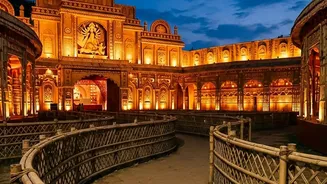
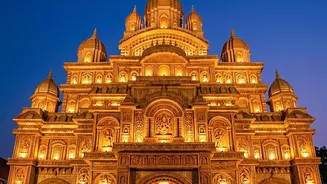
The most visible change in Kolkata is the emergence of 'pandals' — elaborate temporary structures built to house the idol of Goddess Durga. These are far more than simple shelters; they are breathtaking artistic installations. For months, artists and craftspeople
work to create immersive environments, with themes ranging from replicas of global monuments to abstract concepts commenting on social issues. Visiting Kolkata during Puja is like walking through a sprawling, open-air museum where entire neighbourhoods compete in a friendly rivalry of imagination and craftsmanship. This city-wide exhibition, recognised by UNESCO as an Intangible Cultural Heritage of Humanity, combines sculpture, lighting design, and architecture into temporary marvels that exist for only a few days.
The Sights and Sounds of Celebration
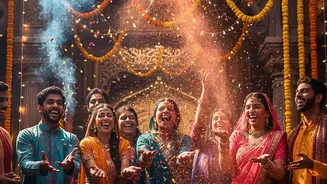
The experience is a complete sensory immersion. The air fills with the rhythmic beat of the 'dhaak', a traditional drum that is the unmistakable heartbeat of the festival. Streets and lanes are draped in spectacular light arrangements, turning night-time explorations into a magical experience. You will witness the 'dhunuchi' dance, a mesmerising ritual where devotees dance with earthen pots filled with burning coconut husks and incense. Beyond the community pandals, many of Kolkata's historic aristocratic families (Bonedi Baris) open their homes, offering a glimpse into centuries-old traditions and private rituals that contrast with the public spectacle.
A Culinary Carnival on Every Corner
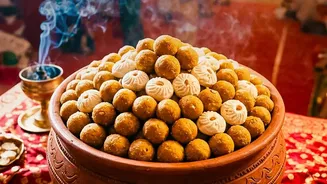
While much of India fasts during this period, Kolkata feasts. The city becomes a massive food court, with street food stalls appearing on nearly every corner, many staying open late into the night. It's the perfect time to sample Kolkata's famed street food, from the tangy 'phuchka' and savoury 'kathi rolls' to crispy fish fry and 'kobiraji' cutlets. The festival also brings special treats like 'bhog', a sacred food offering typically made of 'khichuri' and mixed vegetables, which is distributed freely at many pandals. Of course, no culinary tour is complete without indulging in Bengali sweets like 'mishti doi' and 'sandesh'.
Navigating the Festive Crowds
Visiting during Puja means embracing the energy of millions of fellow revellers. The city is alive 24/7, and crowds are a given, especially during the evenings. To navigate this, plan your 'pandal hopping' geographically—focus on one area like North, Central, or South Kolkata at a time to avoid getting stuck in traffic. The Kolkata Metro often runs special overnight services and is the most reliable way to travel between zones. Wear comfortable walking shoes, as many streets are pedestrianised and you will cover a lot of ground. While the crowds are immense, the atmosphere is generally joyous and communal, filled with a collective spirit of celebration.