



A Village Fading from the Map
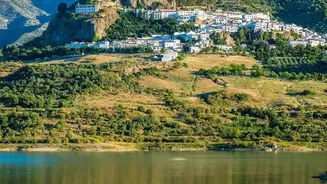
Avellanosa de Muñó, located in the Castile and León region of Spain, is like many small rural villages across Europe. With a dwindling population and limited economic opportunities, it faced the quiet threat of fading into obscurity. Young people often
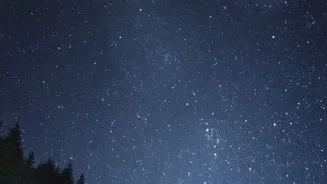
leave for cities, and traditional agricultural lifestyles struggle to sustain the community. These towns, rich in history and local culture, often find themselves in a battle against depopulation, searching for a unique asset that can attract new interest and investment. For Avellanosa de Muñó, that asset turned out to be an abundant, yet often overlooked, natural resource: its pristine, dark night sky.
A Big Bet on the Night Sky
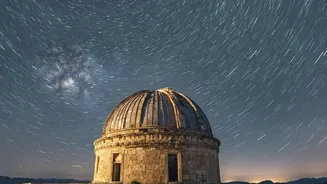
The idea was both simple and brilliant: turn the village’s lack of urban development, and therefore its minimal light pollution, into a primary tourist attraction. This led to the development of astrotourism, a growing niche that attracts travellers seeking authentic experiences away from crowded cities. The community embraced this vision, culminating in a significant achievement: earning the 'Starlight Tourist Destination' certification. This accreditation, awarded by the Starlight Foundation and supported by organisations like UNESCO, certifies that a location has excellent sky quality for stargazing and is committed to protecting this heritage. It's a rigorous process that evaluates everything from sky transparency to the local tourism infrastructure, ensuring a high-quality experience for visitors.
More Than Just Telescopes
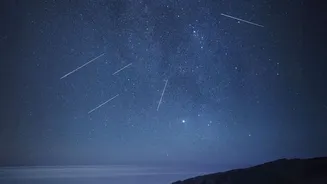
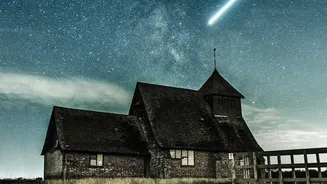
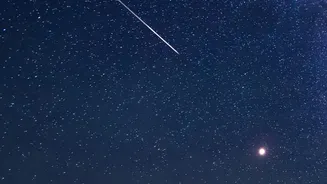
The experience offered is far more than just a chance to look through a telescope. It’s an immersive journey into the cosmos. Astrotourism here involves guided night tours where experts narrate the science and mythology of constellations, special events timed with celestial phenomena like meteor showers, and workshops on astrophotography. Local businesses have adapted, with rural hotels and houses offering accommodation that caters specifically to stargazers. This creates a complete ecosystem where visitors can enjoy local cuisine and hospitality before spending the night under a blanket of stars. This model proves that astrotourism is not just for professional astronomers, but for anyone looking to reconnect with nature and experience a sense of wonder.
The Ripple Effect on Rural Life
The impact of this celestial focus has been profound. By creating a unique, year-round attraction, astrotourism helps combat the seasonal nature of traditional tourism. It generates income for local businesses, creates jobs for guides and hospitality workers, and encourages investment in the community. More importantly, it fosters a renewed sense of local pride. The village is no longer just a quiet hamlet; it is a gateway to the universe. This has put Avellanosa de Muñó on the global map, especially with the upcoming total solar eclipse on August 12, 2026, for which the village is a prime viewing location, with accommodations booked out years in advance.
A Model for India's Countryside?
The success story of Avellanosa de Muñó holds powerful lessons for rural areas in India. With vast landscapes free from significant light pollution, India has immense potential for developing its own astrotourism circuit. Locations like Hanle in Ladakh, which is home to India's first Dark Sky Reserve, Spiti Valley in Himachal Pradesh, and parts of the Rann of Kutch already offer spectacular night skies. By creating certified 'Starlight' destinations, training local youth as astro-guides, and developing sustainable infrastructure, these regions can create new livelihood opportunities. This form of tourism is low-impact, promotes scientific curiosity, and provides a powerful incentive to protect natural environments from light pollution.