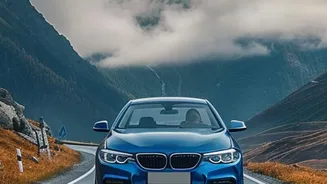

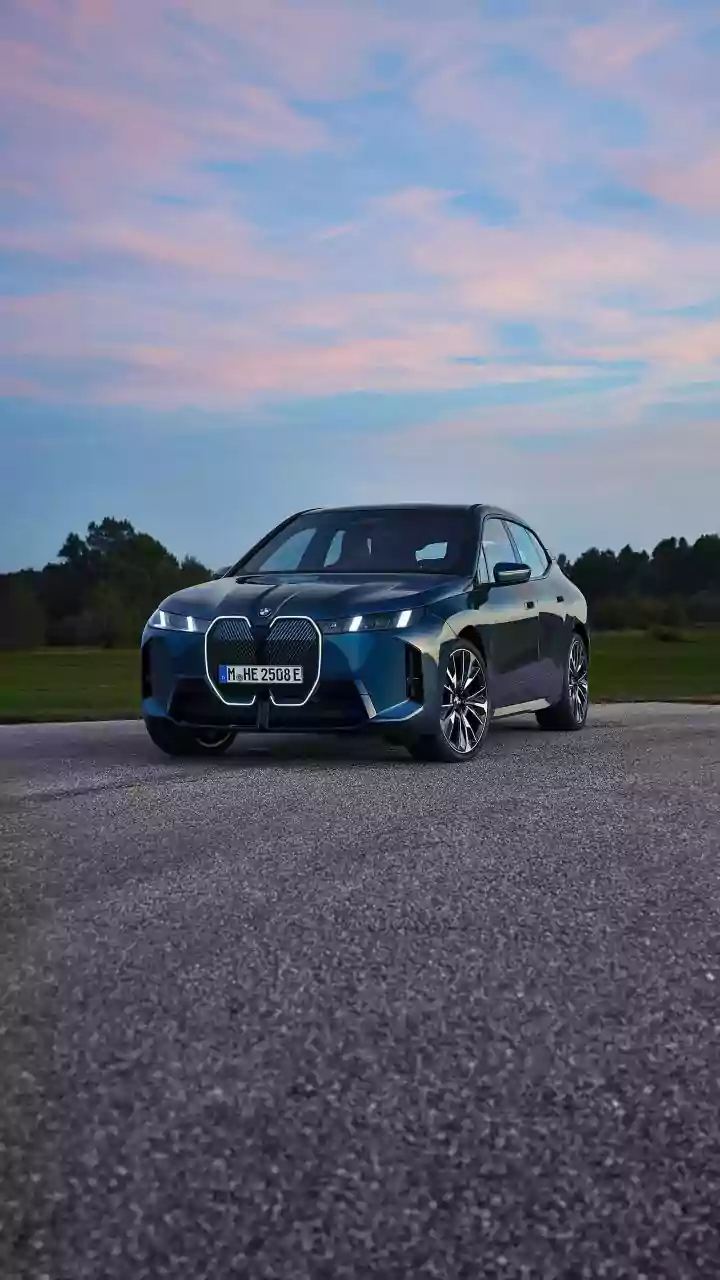
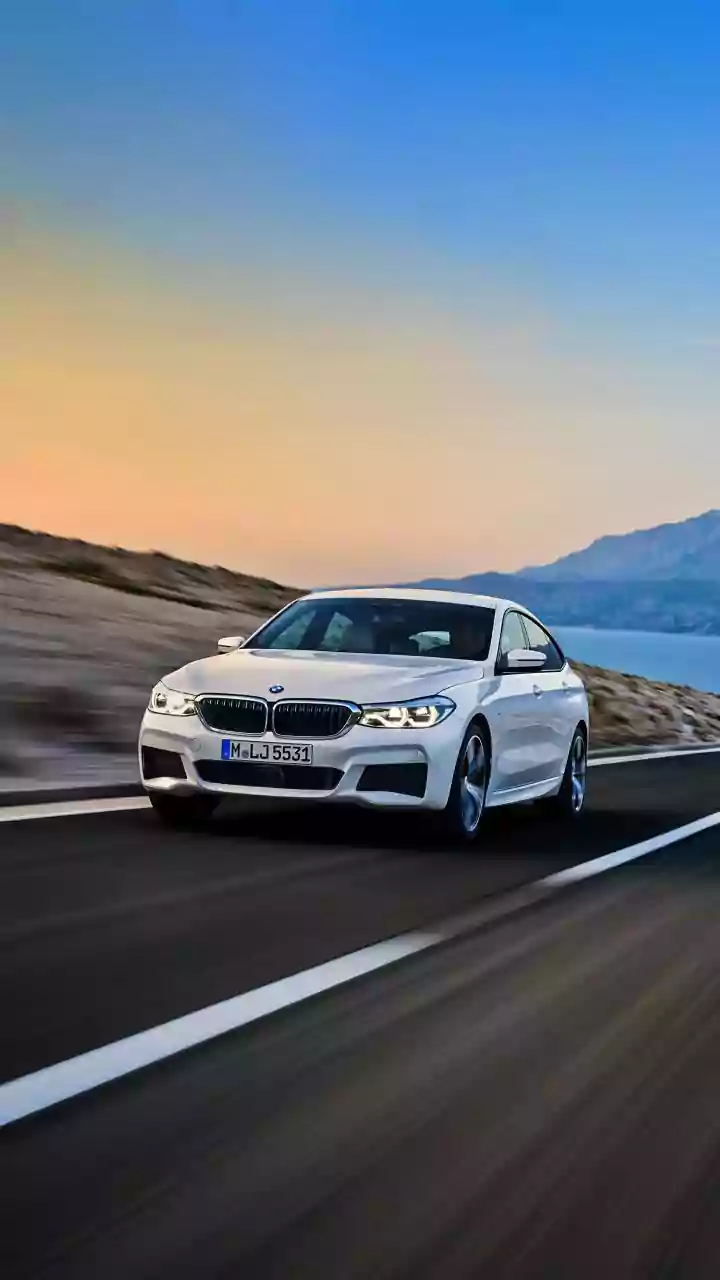
An Aggressive Product Offensive
This announcement is not just about a few new cars; it is a full-scale product blitz. According to BMW Group India President and CEO, Hardeep Singh Brar, the plan for 14 more launches comes on the back of a very successful first half of the year, where
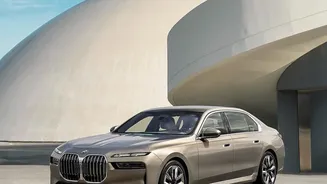
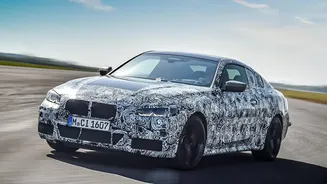
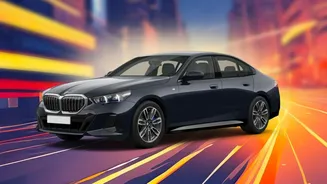
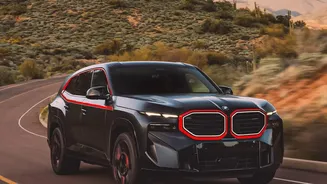
11 other models have already been introduced and completely sold out. This strong market response has given the company the confidence to double down on its strategy. The upcoming portfolio is expected to be a diverse mix, covering luxury sedans, highly popular SUVs, high-performance 'M' models, and, crucially, a significant number of electric vehicles (EVs). This strategy aims to cater to a wide spectrum of luxury buyers, from those seeking traditional petrol and diesel engines to the growing number of consumers ready to embrace electric mobility.
Betting Big on Electric
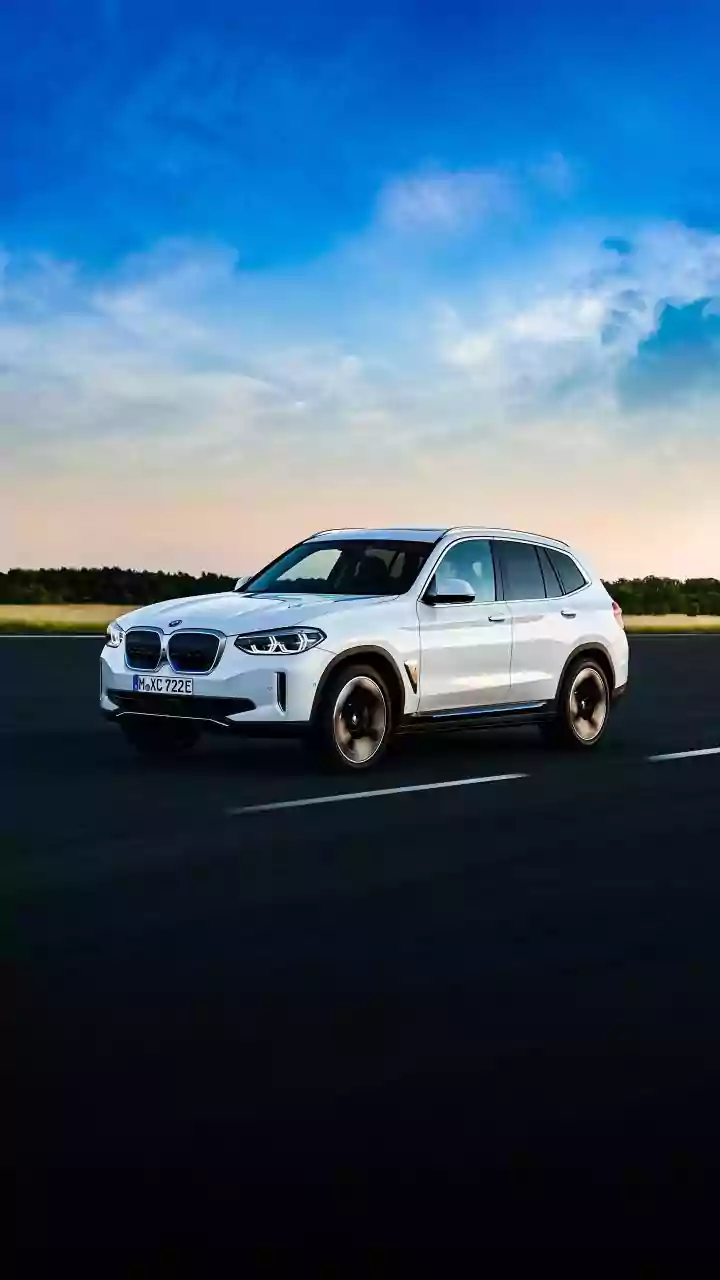
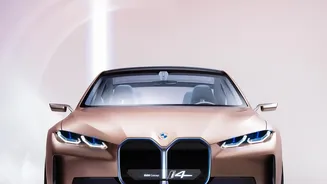
A core pillar of BMW's strategy is its aggressive push into the electric vehicle space. The company has already established itself as a leader in India's nascent luxury EV segment, which accounted for 21% of its total car sales in 2025. BMW aims to increase this share to 25% by 2026, and the upcoming launches will be critical to achieving this goal. Among the anticipated models are the iX3 electric SUV and a potential i3 electric sedan based on the futuristic 'Neue Klasse' architecture. This focus on EVs is a direct response to evolving market dynamics, where electrified models (including hybrids) are now a significant part of the premium segment. BMW is also reportedly considering assembling more of its EV portfolio locally in India, which would be a major step towards making them more accessible.
Reading a Booming Market
BMW's ambitious plan is perfectly timed to capitalize on the surge in India's luxury car market. The market was valued at over USD 4 billion in 2025 and is projected to more than double by the early 2030s, growing at a robust annual rate. This growth is fueled by rising disposable incomes, increasing aspiration, and a clear shift in consumer preference toward premium goods. BMW's sales figures reflect this trend, with the company posting a record 17% growth in the first half of 2026. This makes it the fastest-growing brand among the top luxury players, significantly closing the gap with its main rival, Mercedes-Benz. By flooding the market with new and updated models, BMW is positioning itself to capture a larger share of this expanding pie.
The Battle for the Top Spot
The German automaker's moves are setting the stage for an intense battle for market leadership. For years, Mercedes-Benz has held the top spot in India's luxury car market, but BMW is now closer than ever to challenging that reign. In the first half of 2026, Mercedes-Benz sold 9,768 units, while BMW was right behind with 9,075 units sold. This new product offensive is a direct challenge to its rivals, including Audi, which also has its own growth plans. The increased competition is ultimately a win for Indian consumers, who will have access to the latest global models, more choices, and potentially more competitive pricing as the brands vie for their attention.
More Than Just New Cars
BMW's strategy extends beyond just launching new vehicles. The company is also making a significant investment in its physical presence across the country. Alongside the 14 new products, BMW plans to expand its retail network to 50 cities by the end of 2026. This expansion focuses on penetrating deeper into Tier-II and Tier-III cities like Mysore, Nashik, and Jodhpur, where a new generation of luxury buyers is emerging. This two-pronged approach—combining a cutting-edge product portfolio with a wider retail and service footprint—is designed to build a long-term, sustainable leadership position in one of the world's most promising luxury markets.