






The Current Holding Pattern
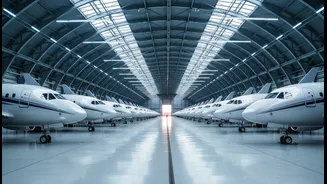
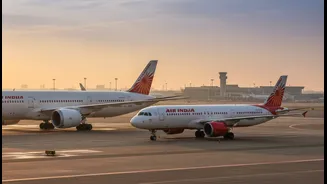
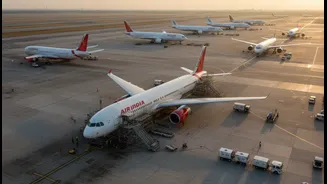
India's airlines have placed some of the largest aircraft orders in aviation history, betting big on the country's booming demand for air travel. Carriers like Air India and IndiGo have hundreds of new planes pending from global manufacturers Airbus and Boeing.
However, the reality on the ground is one of frustrating delays. Instead of a steady stream of modern jets, airlines are grappling with a slower-than-expected delivery schedule. This has forced them to extend the life of older planes and has constrained their ability to add new routes and increase flight frequencies. This capacity crunch, at a time of high passenger demand, is a significant factor behind the elevated ticket prices seen across the domestic and international sectors.
Global Supply Chain Woes
The delays are not an Indian problem but a global one, stemming from persistent issues within the manufacturing supply chains of both Airbus and Boeing. The ripple effects of the pandemic, coupled with new geopolitical challenges, have created a perfect storm. Key components, from engines to cabin seats, are in short supply. Pratt & Whitney's Geared Turbofan (GTF) engines, used on many Airbus A320neo family aircraft flown by IndiGo, have faced reliability issues and extensive inspection requirements, grounding dozens of planes. Similarly, Boeing is struggling to ramp up production of its 737 MAX jets while under intense regulatory scrutiny. These production headaches at the top mean that airlines worldwide are left waiting.
How Indian Airlines Are Impacted
For Indian carriers, these delays are more than just an inconvenience; they are a direct hit to their ambitious growth strategies. Air India, under the Tata Group, is in the midst of a massive transformation plan that hinges on fleet modernisation. The airline has stated that its capacity addition has been hampered by these delays. Recent reports in June even suggested Air India was in talks to defer some deliveries to manage costs amid mounting losses, highlighting the dual pressure of delayed arrivals and financial strain. IndiGo, India's largest carrier, has also voiced concerns about missed market opportunities due to the grounding of aircraft and delayed deliveries. Both airlines are eager to expand their international networks, but a lack of available wide-body aircraft is holding them back.
Why 2027 Promises a Faster Flow
The optimism for 2027 stems from manufacturers' own forecasts and actions. Airbus has a stated goal of increasing its A320neo family production rate to 75 aircraft per month in 2027, a significant jump from current levels. Boeing also has plans to aggressively ramp up its 737 and 787 production rates throughout 2026 and into 2027. Furthermore, engine makers like Pratt & Whitney expect to resolve the worst of their reliability and maintenance crises by the end of 2026, which should free up grounded aircraft and smooth out the delivery pipeline. Air India's leadership has confirmed it expects to begin inducting a new wide-body aircraft every six weeks starting in 2026 and continuing through 2027. This indicates confidence that manufacturers will begin to clear their backlogs.
What This Means For Travellers
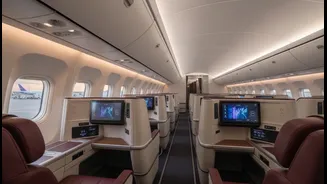
For passengers, the arrival of more aircraft is unequivocally good news, though the benefits will not be immediate. The end of 2026 will likely still feel the effects of the current slowdown. However, as the faster flow of new planes begins in 2027, the increased capacity should intensify competition among airlines. This could lead to more stable, and potentially lower, airfares. A larger and more modern fleet will also enable airlines to launch new direct routes, both domestically and internationally, improving connectivity for travellers across India. With more reliable, fuel-efficient aircraft, airlines can also improve on-time performance and reduce the frequency of flight cancellations caused by technical issues, leading to a smoother travel experience overall.