


More Than Just a Price Tag
The price of rice in India is not a simple matter of supply and demand; it is a carefully managed ecosystem. At its heart lies a fundamental tension the government must navigate: ensuring farmers receive a fair price for their produce while keeping the staple
affordable for over a billion people. This is primarily handled through two major policy tools. First is the Minimum Support Price (MSP), the rate at which the government buys paddy from farmers, acting as a financial safety net. Second is the Public Distribution System (PDS), which supplies subsidised foodgrains to the most vulnerable populations. The price you see in a store is the outcome of this constant, high-stakes balancing act, influenced by procurement targets, buffer stocks, and official trading activities.
The Government's Delicate Balancing Act
Every year, the central government sets a procurement target for paddy, which is the amount it intends to purchase for its central pool. For the 2026-27 season, this target has been set slightly lower than the actual procurement of previous years, partly due to a decrease in the total area sown with paddy. This decision itself is a complex calculation. A high procurement target and a generous MSP can secure farmer incomes but may also lead to massive stockpiles, storage challenges, and a higher subsidy bill. Conversely, lower procurement can leave farmers exposed to market volatility. These decisions often create friction, leading to farmer protests over pricing and political debates about food inflation and the management of national food security.
The Global Ripple Effect
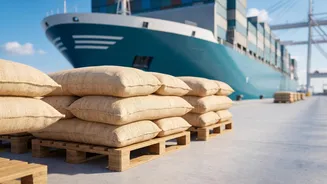
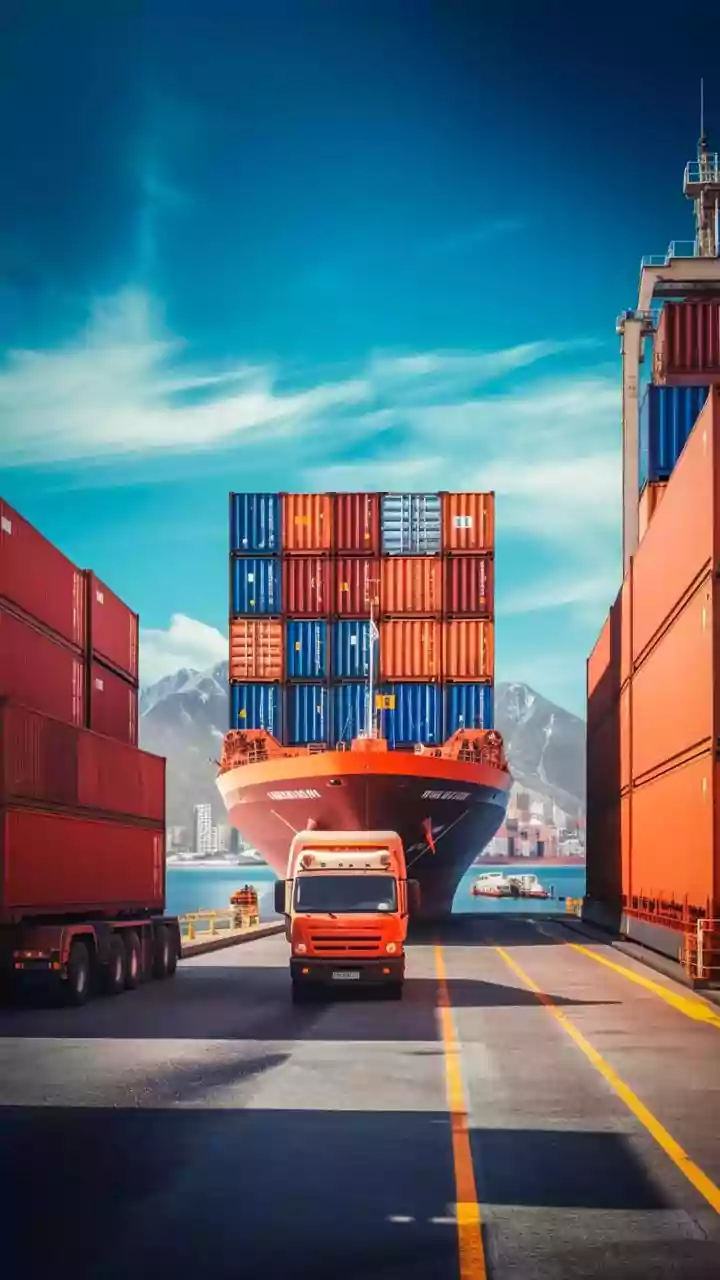
India is one of the world's largest exporters of rice, making its domestic policies globally significant. When domestic supplies tighten or prices rise, the government may restrict or ban exports to ensure enough rice is available at home. While this can help cool domestic prices, it sends shockwaves through international markets, affecting countries that depend on Indian rice. Recent reports indicate that international factors, such as geopolitical conflicts in the Middle East, are also driving up global demand as countries scramble to secure food supplies, putting upward pressure on Indian export prices. This has led Indian exporters to explore new markets, with shipments to countries like Jordan and Turkey increasing dramatically as traditional trade routes face disruption.
Wildcards: Weather and a Warming Planet
Policy is not the only factor in this equation. The monsoon remains the lifeblood of Indian agriculture. A weak or delayed monsoon can significantly impact crop yields, leading to tighter supplies and higher prices. Weather departments have indicated a likelihood of below-average rainfall in September 2026, following a deficient August, which is already causing concern and supporting higher prices. These climate-related challenges add another layer of unpredictability. Droughts, floods, and unseasonal rains can disrupt production, overriding the best-laid government plans and directly impacting both the availability and cost of rice for millions.
Reading the 'Conflict' Story Correctly
The term 'conflict' in the context of rice prices isn't just about riots in the streets, though sharp price hikes can be a trigger for social unrest. More often, the conflict is a web of competing interests. It's the tension between a farmer demanding a better MSP and a government trying to control inflation. It's the diplomatic friction that arises from an export ban. It's the struggle within households to stretch budgets as food prices climb. It's also the logistical nightmare of states like Punjab, which have enormous grain stocks but face an acute storage crisis because the slow movement of grain to other states prevents them from accepting new milled rice. Understanding the rice story means seeing all these interconnected pressures, not just a single price point.