





A Carpet of Blue on the Hills
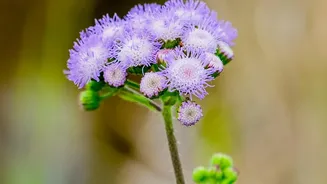
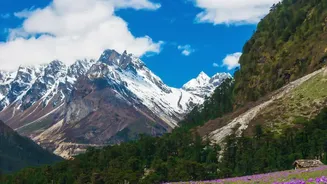
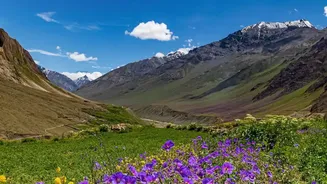
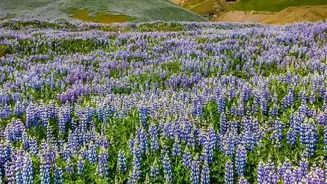
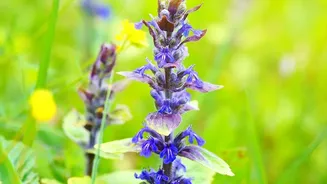
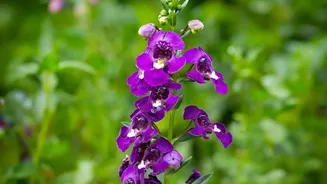
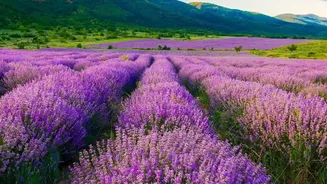
Across the high-altitude grasslands of Munnar, a breathtaking natural phenomenon is unfolding. The Neelakurinji, or Strobilanthes kunthiana, has burst into a mass flowering, covering entire hillsides in a vibrant carpet of blue and purple. This year's
bloom is concentrated around the Chokramudi hills and the Korandakkad-Mattupetty areas, offering a rare spectacle for travellers and nature lovers. It's crucial to note that this is a distinct population of the flower, which last bloomed in 2014, and is different from the more widely publicised bloom at Eravikulam National Park, whose next major flowering is expected around 2030. This makes the 2026 event a unique opportunity to witness one of the Western Ghats' most celebrated natural cycles.
The Science of a 12-Year Wait
What makes the Neelakurinji so special is its highly unusual life cycle. This shrub, endemic to the shola forests of the Western Ghats, typically grows at altitudes between 1,300 and 2,500 metres. Most famously, it exhibits a synchronous flowering pattern known as 'masting', blooming en masse only once every 12 years. After this single, spectacular reproductive event, the plants produce seeds and then die, completing their life cycle. The seeds lie dormant, growing into the next generation of shrubs over the following decade, waiting for their turn to paint the mountains blue. This periodic blooming is a remarkable survival strategy, overwhelming seed predators and ensuring the continuation of the species.
A Flower Woven into Culture
The Neelakurinji is not just a biological wonder; it's deeply embedded in local culture and history. The flower even gave the Nilgiri Hills, or 'Blue Mountains', their name. For centuries, the indigenous Paliyan tribal community of the region reportedly used the 12-year blooming cycle as a natural calendar to calculate their age. The flower is a symbol of love and romance in local folklore and holds auspicious significance for communities like the Muthuvas and Todas. This deep connection between nature and human life highlights the flower's role as a cultural touchstone for the people of the Western Ghats.
An Ecological Bellwether
Beyond its beauty, the Neelakurinji serves as a vital indicator species for the health of the fragile shola-grassland ecosystem. Its presence signifies a relatively undisturbed habitat. However, this unique plant faces growing threats from habitat loss due to the expansion of plantations, infrastructure development, and invasive species like eucalyptus. In recognition of its declining population and habitat, the species has been assessed as 'Vulnerable' on the IUCN Red List. Conservation efforts are therefore critical, with the Kurinjimala Sanctuary in Idukki district established specifically to protect its core habitat. Protecting the Neelakurinji means safeguarding the immense biodiversity of the Western Ghats.
Managing the Blue Wave
The bloom predictably triggers a surge in tourism, bringing both opportunities and challenges to Munnar. While a boon for the local economy, the influx of visitors puts immense pressure on the delicate environment. In response, authorities are implementing measures to manage the crowds, including regulating access to viewing points and urging tourists to act responsibly. Visitors are strictly instructed not to pluck or trample the flowers, which are protected under forest laws, with violations carrying hefty fines and even imprisonment. These rules are in place to ensure that this rare spectacle can be enjoyed by future generations, preserving the magic that lies in its rarity.