




What Happened on Friday Afternoon?
On Friday, November 13, the Federal Aviation Administration (FAA) took the rare step of issuing a nationwide ground stop, halting all departing flights across the United States for nearly five hours. The order came after controllers began noticing instability
in communications and radar systems. At that moment, approximately 3,500 aircraft were already in the air, navigating the world's most complex airspace. While thousands of would-be passengers found their travel plans thrown into disarray, a critical and largely invisible process was unfolding to ensure the safety of everyone already flying.
The Cause: A Critical System Failure
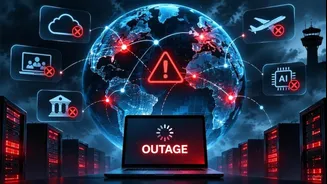
Officials quickly ruled out a cyberattack or any other malicious act. Instead, the culprit was a telecommunications failure within the FAA's aging infrastructure. A preliminary investigation suggests that routine maintenance work at a remote facility may have been the trigger. According to the FAA, a newly installed router began flooding the network with data, sending over 1,000 connection attempts every few seconds. This data surge overloaded the system, causing intermittent failures in the communication and radar feeds that controllers rely on. With data becoming inconsistent, the FAA made the call to ground all new departures out of an abundance of caution.
A Symphony of Safety in the Skies
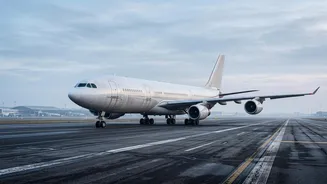
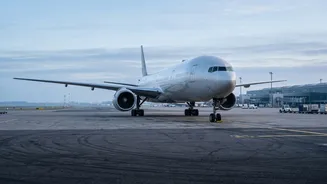
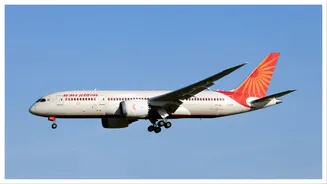
The phrase 'ground stop' only tells half the story. The more significant part is what happened in the air. Despite the system instability, the FAA confirmed it never lost full communication or radar capabilities. Pilots and the FAA's 14,000 air traffic controllers fell back on established safety protocols designed for precisely these kinds of incidents. This allowed for what Transportation Secretary Sean Duffy called an 'amazing performance', where all 3,500 airborne aircraft were guided to land safely at their destinations or the nearest suitable airports without a single incident. While new flights were barred from taking off, this coordinated effort ensured the skies were cleared in an orderly and secure manner, prioritizing passenger safety above all else.
Ripples Across The Nation and the World
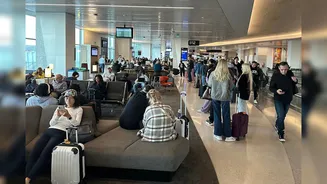
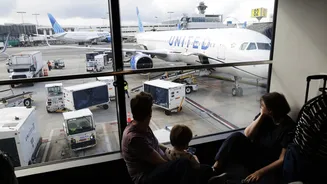
The ground stop caused a massive domino effect. By the time the order was lifted, over 9,000 flights had been cancelled, with thousands more facing significant delays that continued through the weekend. Airports became seas of stranded passengers, with airlines scrambling to reposition aircraft and crews. The disruption wasn't limited to the US; international flights were impacted as carriers navigated the shutdown, highlighting the interconnectedness of global air travel. Airlines waived change fees for affected passengers, but the logistical challenge of rebooking hundreds of thousands of people and getting the national flight schedule back on track took several days.
What Happens Now?
The incident has intensified scrutiny on the FAA's aging infrastructure, with some systems still reportedly using outdated technology like copper wiring. Officials have stressed that while the system is safe, it is also fragile and in desperate need of modernization to prevent future failures. Transportation Secretary Duffy has called on Congress to provide more funding for comprehensive upgrades, arguing that such incidents will continue until the core infrastructure is replaced. The FAA is conducting a full investigation into the failure, including the role of the contractor performing the maintenance work, to prevent a recurrence. For now, the event serves as both a stark warning about technological vulnerability and a powerful testament to the robust safety procedures that underpin modern aviation.